When a tech company unveils an innovative AI video generator, it's only a matter of time before enthusiasts put it to the test with unconventional benchmarks. One such viral trend involves generating videos of actor Will Smith indulging in spaghetti. This peculiar yet entertaining benchmark has captured public imagination, sparking discussions about the future of AI and its capabilities.
Discover How Unconventional Benchmarks Are Redefining AI Performance Metrics
Emergence of Viral AI Challenges
In 2024, the AI community witnessed a surge of unconventional benchmarks that captivated audiences worldwide. The phenomenon began with Will Smith eating spaghetti, a meme that quickly became a litmus test for new AI video generators. Developers and enthusiasts alike were intrigued by the challenge, pushing boundaries to see if their creations could convincingly render this scenario. Beyond the humor, these tests highlighted the evolving relationship between AI and human creativity.The trend extended beyond celebrities to include more interactive challenges. A young developer crafted an app that tasked AI with designing structures in Minecraft, while another platform pitted AI against itself in classic board games like Pictionary and Connect 4. These benchmarks offered a fresh perspective on AI performance, engaging a broader audience who might not fully grasp traditional academic tests.Limitations of Conventional AI Metrics
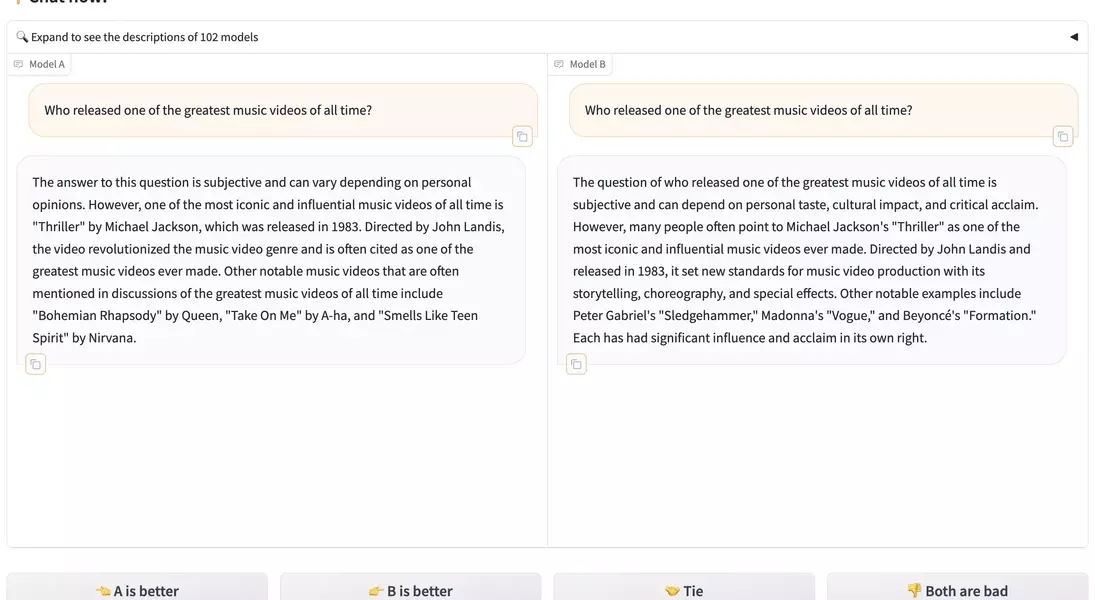
Despite the rise of quirky benchmarks, established metrics remain prevalent within the industry. Companies often tout their AI's prowess in solving complex mathematical problems or excelling in Ph.D.-level challenges. However, these benchmarks can feel disconnected from everyday applications. Most users engage with AI for simpler tasks such as drafting emails or conducting basic research. As a result, conventional metrics may not resonate with the average person.Platforms like Chatbot Arena attempt to bridge this gap by allowing public participation in rating AI performance. Yet, these efforts face limitations. Participants tend to come from tech-centric backgrounds, leading to subjective evaluations that don't necessarily reflect a diverse user base. Ethan Mollick, a professor at Wharton, emphasized this issue, noting the lack of benchmarks tailored to specific industries like medicine or law. Such oversight hinders a comprehensive understanding of AI's practical utility.Rethinking AI Evaluation Standards
Experts advocate for a shift in focus from narrow domain-specific tests to broader assessments of AI's downstream impacts. Evaluating how AI influences various sectors could provide more meaningful insights into its real-world applications. While unconventional benchmarks offer entertainment value and accessibility, they should complement rather than replace rigorous testing methods.These quirky benchmarks serve a vital role in making AI technology more relatable and understandable to the general public. They simplify complex concepts, enabling non-experts to appreciate AI's potential. Moreover, they highlight areas where AI excels and falls short, fostering ongoing dialogue about its development and deployment. Looking Ahead: The Future of AI Benchmarks
As we approach 2025, the question remains: what unconventional benchmarks will capture our attention next? The allure of watching AI tackle unexpected challenges is undeniable. Whether it's building intricate virtual worlds or mastering niche games, these tests continue to entertain and inform. Ultimately, they underscore the importance of balancing innovation with practicality in AI evaluation, ensuring that advancements benefit everyone.The future of AI benchmarks lies in finding a harmonious blend of entertainment and empirical rigor. By embracing both traditional and unconventional methods, the tech community can better understand and communicate the true capabilities of artificial intelligence.You May Like