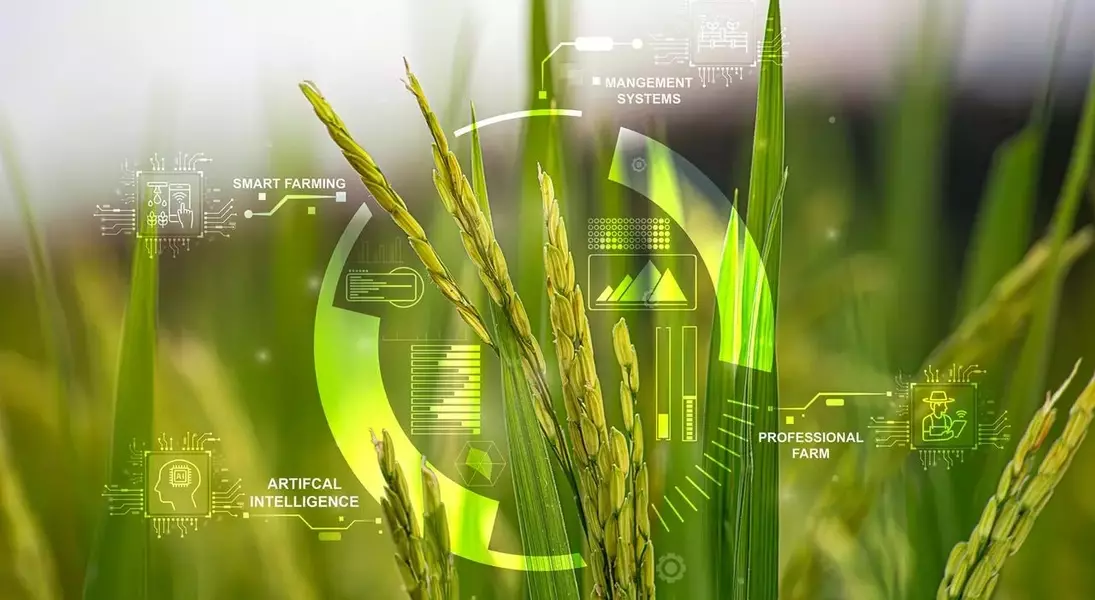
The agricultural sector is experiencing a profound transformation through the integration of artificial intelligence. This shift is not merely about adopting new tools, but about re-evaluating the fundamental relationship between human expertise and technological capabilities. The rapid advancement of AI, demonstrated by its exponential increase in analytical prowess, demands a strategic and balanced approach to ensure its benefits are fully realized while mitigating potential pitfalls. The essence of this evolution lies in augmenting human intelligence with AI, rather than replacing it entirely, fostering a symbiotic relationship that prioritizes critical thinking, continuous learning, and effective collaboration.
As AI continues to embed itself in various facets of farming, from precision agriculture to sophisticated livestock management systems, it's becoming increasingly clear that the human element remains irreplaceable. The ability to discern, adapt, and innovate, coupled with strong interpersonal skills, will define success in this new era. Cultivating a mindset of lifelong learning and embracing collaboration are not just advantageous but essential for agricultural professionals to thrive amidst technological disruption. By focusing on these core human attributes, the industry can harness AI's immense potential to drive unprecedented growth and efficiency, ensuring a future where technology serves to empower and elevate human endeavors in food production.
The Ascent of Agricultural AI
The conversation around artificial intelligence in agriculture is intensifying, reflecting its burgeoning influence across the sector. AI's analytical capacity has seen an extraordinary leap in recent years, evolving from a comparable intellect to a human's to a projected super-intelligence in a mere few years. This rapid progression underscores AI's growing role in shaping agricultural practices and decision-making processes. Many in the industry are already leveraging AI for tasks ranging from optimizing fertilizer application and selecting breeding animals to refining marketing strategies. However, with this technological surge comes the critical need for human oversight to validate information and ensure accuracy, highlighting the dynamic interplay between advanced algorithms and human judgment in the field.
The current trajectory of AI development suggests an ongoing increase in its cognitive abilities, moving towards a future where its analytical power far surpasses that of a single individual. This exponential growth, from an IQ of 80 in 2018 to a projected 1200 by 2028, is not just a statistical anomaly but a signal of a paradigm shift. In agricultural applications, this translates into more precise recommendations for crop treatments, more efficient resource allocation, and enhanced overall farm management. Yet, the experiences of experts, including a prominent weather analyst, reveal a shared concern: the potential for AI to generate misleading or incorrect data. This necessitates a vigilant human role in filtering and interpreting AI outputs, underscoring that even with remarkable technological advancements, the human intellect remains indispensable for critical evaluation and practical application.
Cultivating Human-AI Harmony for Sustainable Growth
The pervasive impact of artificial intelligence extends beyond mere operational improvements, touching upon the very fabric of the workforce, particularly in white-collar professions. As AI streamlines processes and automates tasks, it precipitates a re-evaluation of human roles, making adaptability and continuous skill development paramount. Embracing AI as a collaborative partner, rather than a replacement, is crucial. This approach, where AI augments human intelligence by providing a foundation for brainstorming and analysis, requires individuals to refine and personalize AI-generated insights with their unique experience and knowledge. The overarching principle for navigating this technological evolution is to balance high-tech solutions with a strong human touch, ensuring that personal interaction and human ingenuity remain central to progress.
In this rapidly evolving technological landscape, the cultivation of core human competencies becomes more vital than ever. Lifelong learning, particularly in understanding and interacting with AI systems, is no longer a luxury but a necessity for personal and professional growth. This involves actively engaging with AI tools, learning from both successes and challenges, and critically distinguishing between reliable information and erroneous outputs. Beyond technical skills, fundamental life skills such as punctuality, effective teamwork, and the ability to follow or articulate instructions remain indispensable in any professional setting. Ultimately, a harmonious integration of AI into agriculture will hinge on the human capacity to thoughtfully leverage technology, maintaining a strong emphasis on human connection, critical discernment, and collaborative problem-solving, preventing an imbalance that could overshadow AI's transformative potential.
