
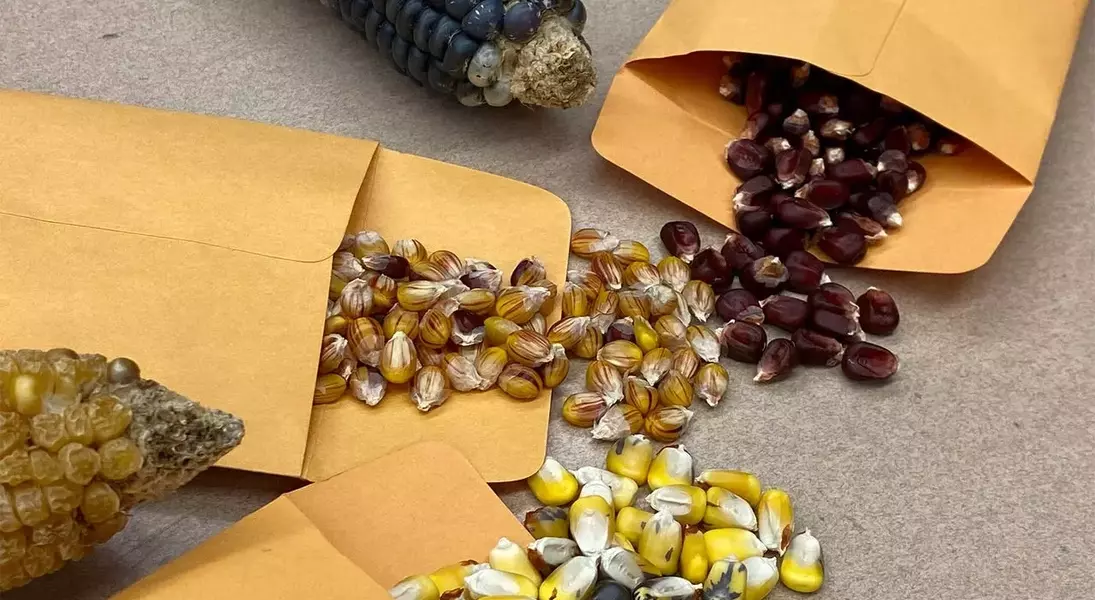
A recent proposal by the U.S. Department of Agriculture to close and consolidate the Maize Genetics Cooperation Stock Center in Urbana, Illinois, has ignited significant concern within the agricultural scientific community. This facility, a cornerstone of corn genetics research since 1953, is integral to the ongoing development of resilient and high-yielding corn hybrids that are crucial for farmers. Researchers fear that moving its vast collection of corn mutant stocks could lead to substantial setbacks in agricultural innovation, affecting everything from drought tolerance to disease resistance in future corn varieties.
The Urbana facility, home to roughly 100,000 distinct corn mutant stocks, plays a pivotal role in advancing our understanding of corn genetics. These diverse genetic samples allow scientists to explore how various genes function, directly accelerating the pace of plant breeding and genetic improvements. The delicate nature of these mutant stocks necessitates precise environmental controls and specialized care, which the Urbana center has expertly provided for decades. Any disruption to this established environment and the transfer of these invaluable resources could compromise the integrity and viability of the collection.
If the proposed consolidation proceeds, the Maize Genetics Cooperation Stock Center's assets would be transferred to the North Central Regional Plant Introduction Station in Ames, Iowa, while the National Soybean Germplasm Collection, also housed in Urbana, would move to Columbia, Missouri. Experts like Martin Bohn and Steve Moose, both prominent corn geneticists at the University of Illinois, have voiced strong reservations. They highlight concerns that the Iowa facility, despite its size, may lack the specific expertise and infrastructure necessary to manage such a unique and extensive collection without significant upgrades, potentially rendering the stock collection non-functional for an extended period.
The potential ramifications extend beyond just research continuity. The relocation poses risks to the physical integrity of the seeds, as many mutant strains are inherently delicate and require specialized handling and growing conditions. Urbana's climate and soil are particularly well-suited for cultivating these specific corn mutants, a factor that cannot be easily replicated elsewhere without potentially jeopardizing the growth and propagation of these sensitive varieties. This move could slow the process of developing new hybrids by years, impacting agricultural productivity and competitiveness.
Furthermore, the consolidation raises questions about financial efficiency. While the USDA's proposed budget aims to streamline operations, many experts in the field doubt that the move will result in actual cost savings. Instead, they anticipate that significant investments would be required to bring the receiving facilities up to the necessary standards to properly maintain these critical genetic resources. This emphasizes the importance of preserving the existing knowledge, infrastructure, and unique environmental conditions that have made the Urbana center a global leader in corn genetics research.
The continuity of this vital research facility is paramount for the future of corn agriculture. Its closure would not only impede the scientific process but also potentially diminish the availability of advanced hybrid varieties, thereby affecting the economic stability of farmers and the broader agricultural sector. Sustaining such unique and specialized centers is crucial for ongoing innovation and ensuring food security.
