The automotive industry is experiencing a significant transformation in its approach to in-car technology. Manufacturers are strategically phasing out popular third-party infotainment solutions like Apple CarPlay and Android Auto. This shift is not merely about technological preference but is deeply rooted in a massive economic opportunity, as carmakers seek to establish their proprietary digital platforms within vehicles. This move promises to reshape how we interact with our cars and how automakers generate revenue in the coming years.
Driving Towards Digital Independence: The New Automotive Frontier
The Strategic Departure from Third-Party Infotainment Platforms
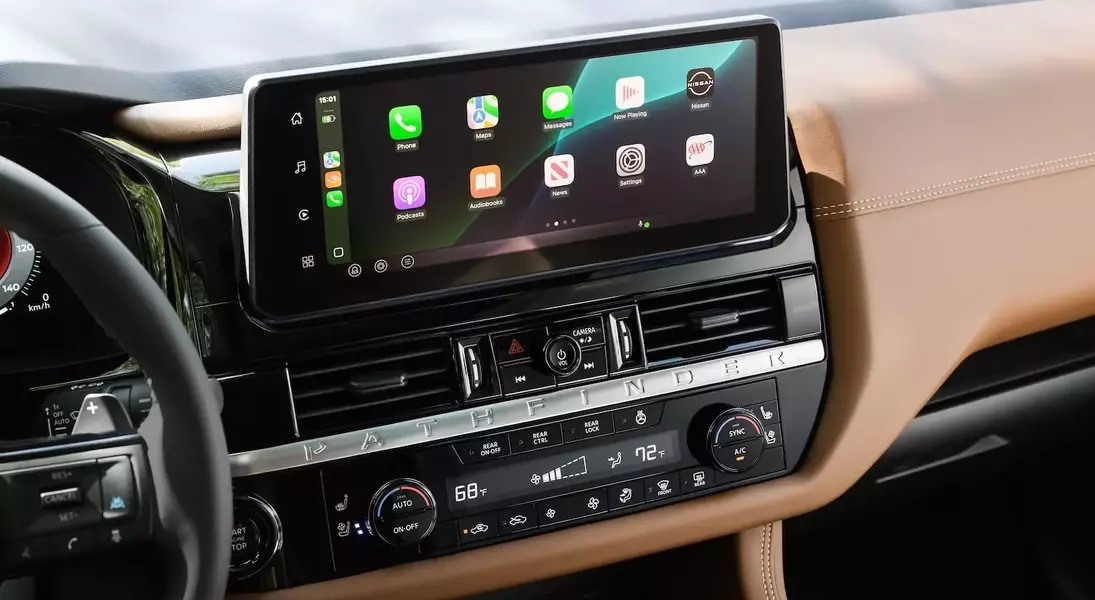
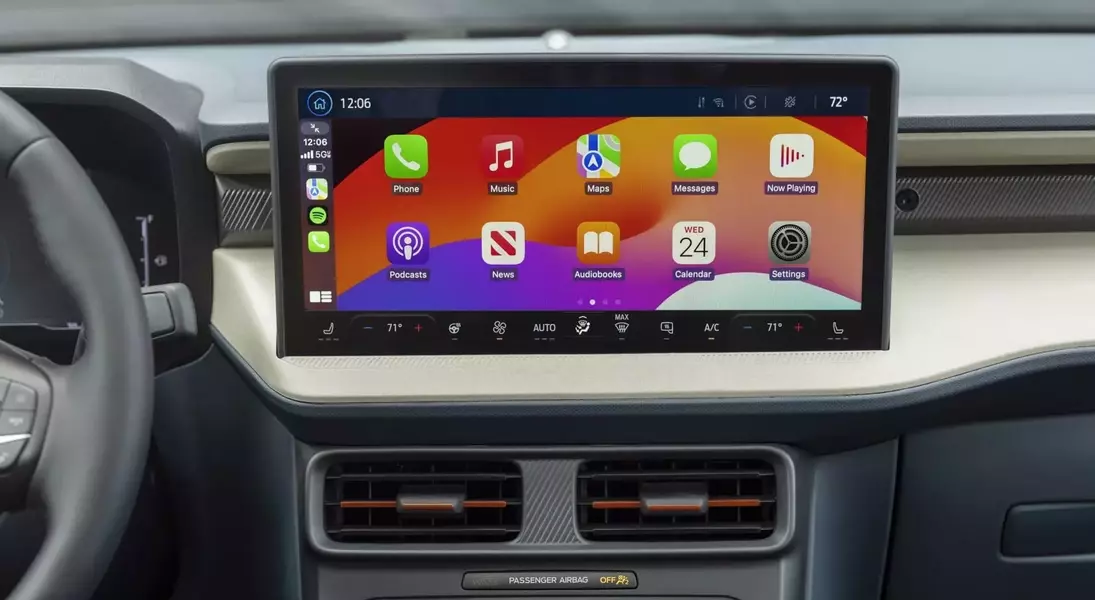
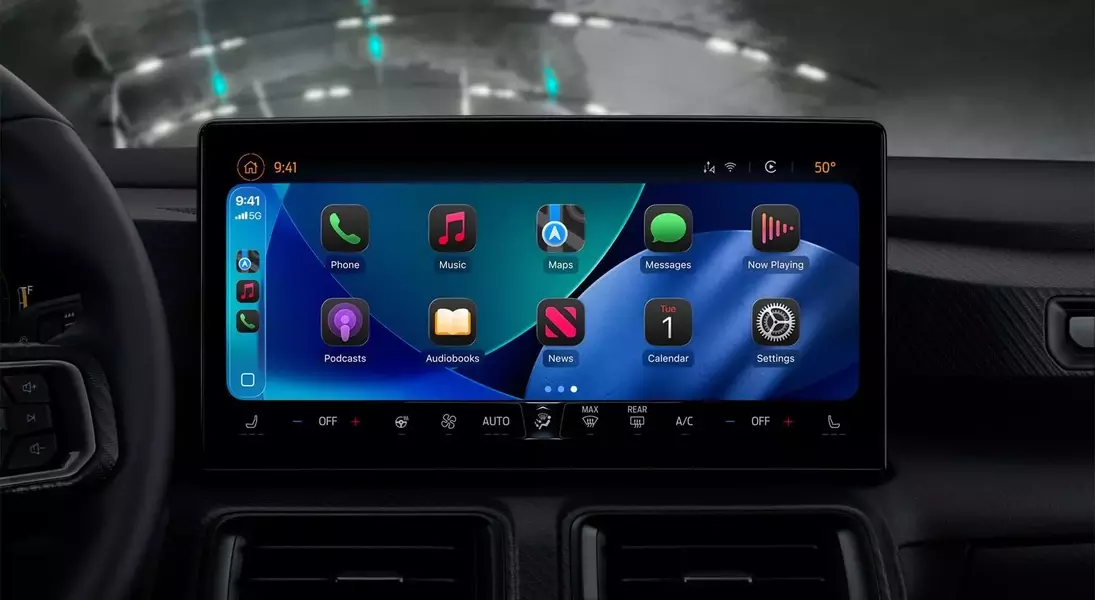
Recent announcements from prominent vehicle manufacturers, including General Motors, confirm a growing trend: the discontinuation of support for widely used third-party infotainment systems such as Apple CarPlay and Android Auto. While automakers cite a desire to enhance user experience with their self-developed in-car operating systems, many consumers find these proprietary alternatives to be less intuitive than the familiar interfaces provided by tech giants.
Unveiling the Lucrative World of In-Car Infotainment Systems
The decision to abandon established third-party platforms becomes clearer when considering the financial landscape. A recent market analysis highlights the immense value of the in-car infotainment sector, currently estimated at $9 billion. Projections indicate this market could swell to an astounding $14 billion, potentially even $18 billion, by 2030. This substantial growth is a primary motivator for automakers to invest heavily in their own digital ecosystems.
Monetizing the Automotive Digital Ecosystem: A Billions-Dollar Opportunity
The projected expansion of the infotainment market is contingent on several factors, notably the consumer's increasing willingness to pay for premium services. Despite the current high cost of new vehicles and consumer resistance to additional charges, manufacturers are banking on the tech-savvy Gen Z and Millennial demographics, who are accustomed to subscription-based models for various services. This demographic is seen as key to unlocking new revenue streams through in-car features.
Features on Demand: The Future of In-Car Customization and Revenue
A significant aspect of this new revenue model is the concept of "Features on Demand" (FoD). This approach allows carmakers to charge for specific functionalities, much like the controversial model where certain luxury brands considered charging for heated seats. Currently, many vehicles offer trial periods for connected car services, which enable remote vehicle control via smartphone apps. Automakers hope drivers will find these services indispensable enough to continue paying for them after the trial expires, creating a steady stream of recurring income.
Navigating the Digital Divide: Challenges and Future Implications for Automakers and Consumers
Automakers are treading a fine line. By removing CarPlay and Android Auto, they risk alienating a significant portion of their customer base who highly value these integrations. The success of this strategy hinges on their ability to develop proprietary systems that genuinely rival the seamless experience offered by Apple and Google. Furthermore, in a world dominated by two major smartphone operating systems, car manufacturers must consider the long-term implications of their relationships with tech companies, especially regarding app store listings and mutual support for digital services. Consumer demand has already shown that the absence of CarPlay can be a decisive factor in purchasing decisions, highlighting the critical balance automakers must strike between innovation, revenue generation, and user satisfaction.
