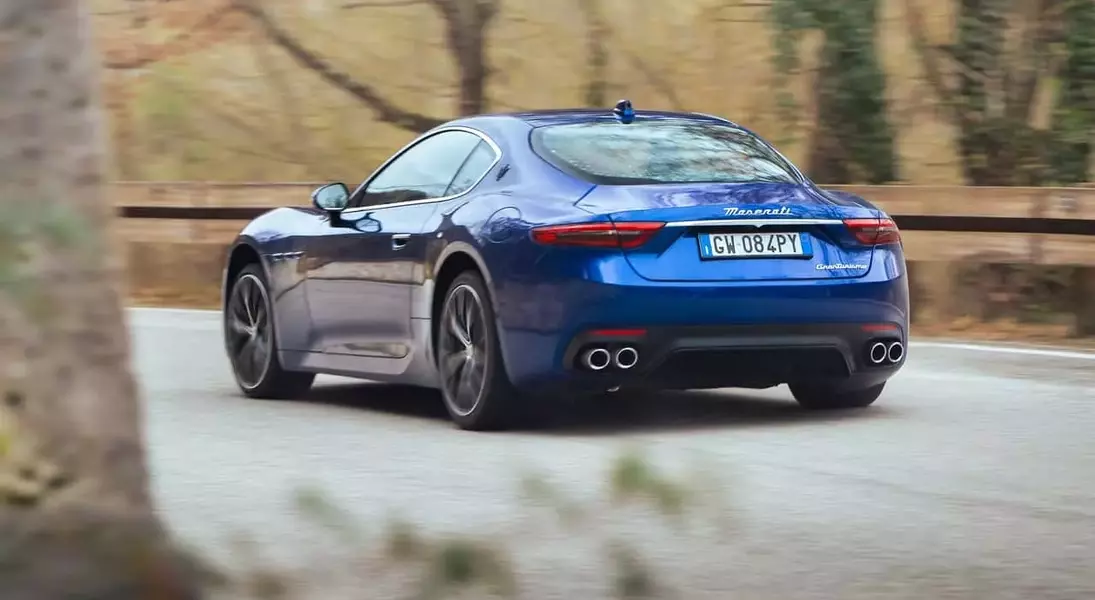
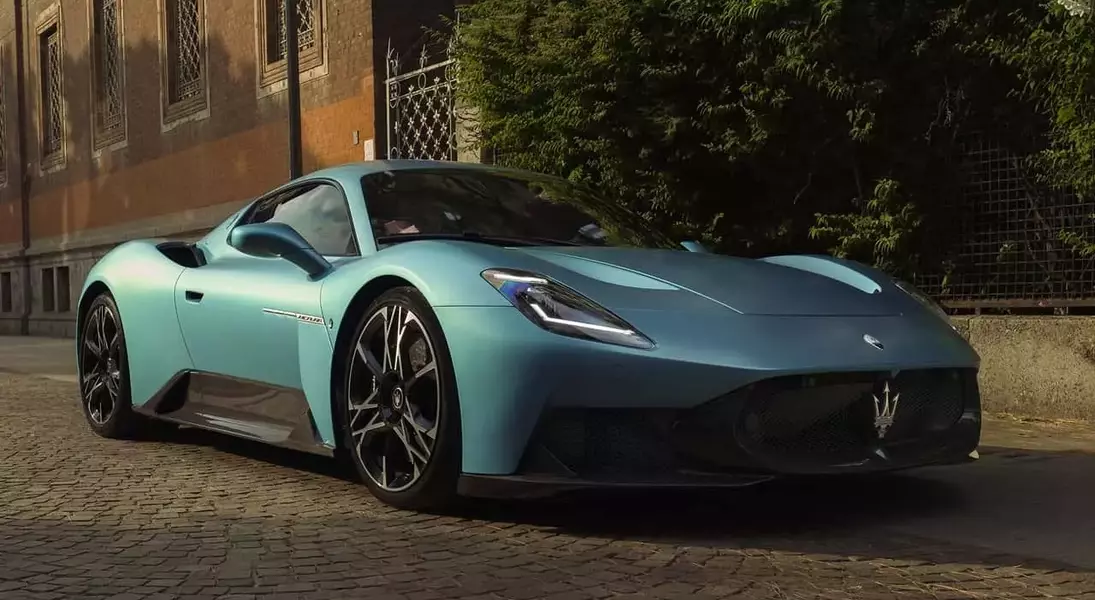
Maserati, the iconic luxury automobile manufacturer, is currently navigating a challenging period marked by a substantial decline in its global sales performance. Recent figures reveal a drastic 58% reduction in sales over the past two years, with only 11,127 vehicles delivered in 2025. This steep downturn represents a significant departure from its peak in 2017, when the brand achieved approximately 49,000 unit sales. The contributing factors to this slump are multifaceted, encompassing diminished consumer interest in certain models like the Grecale, the impact of US tariffs, and a notable decrease in demand for high-end Western automotive products within the Chinese market. Furthermore, the discontinuation of several key models, including the Ghibli and Quattroporte sedans, and the Levante crossover, has undoubtedly played a role in the brand's reduced volume.
In an effort to revitalize its standing, Maserati is taking strategic steps to address these issues. The brand has already adjusted its engine offerings, replacing less popular four-cylinder options with a detuned version of its more powerful 3.0-liter V6 Nettuno engine, and has notably canceled the electric MC20 project. Looking ahead, Maserati plans a closer collaboration with Alfa Romeo to streamline vehicle development and merge operational aspects, aiming for enhanced efficiency and economies of scale. While discussions around reintroducing manual gearboxes suggest an appeal to purists, the core of Maserati's recovery strategy hinges on developing a compelling range of new SUVs and sedans to re-energize sales and rebuild brand desirability. A next-generation Levante is anticipated by 2027, followed by a new Quattroporte around 2028, which is also expected to implicitly replace the smaller Ghibli.
However, industry leaders emphasize that product alone may not be the sole solution. According to former Stellantis CEO Carlos Tavares, Maserati's struggles stem not from product quality, but from deficiencies in marketing and brand positioning. He highlighted the need for a clearer brand identity, moving beyond mere sports cars to encompass the 'gran turismo' lifestyle, 'dolce vita,' and advanced technology, alongside a more effective outreach strategy to potential customers. The brand's historical significance underscores the importance of its continuity, and despite ongoing evaluations of all 14 brands within the Stellantis portfolio, there's a strong sentiment that Maserati must endure. A renewed focus on combustion engines and competitive pricing, especially in light of increasing competition from Chinese luxury automakers, coupled with strategic investments, will be crucial for Maserati to reclaim its rightful place in the premium automotive landscape.
