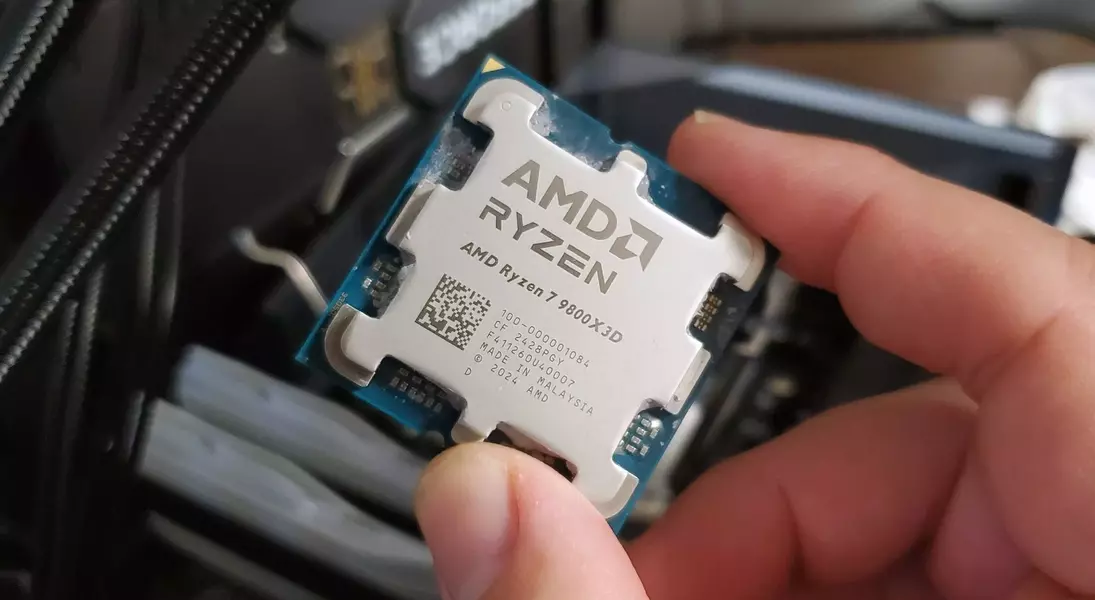
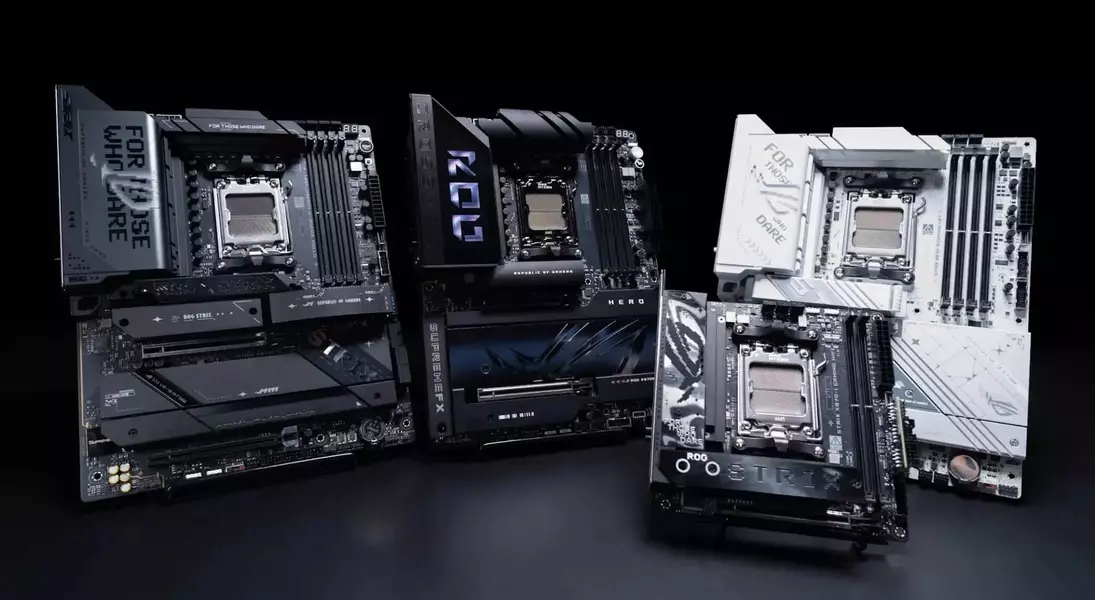
ASUS has initiated a comprehensive internal review of its 800-series motherboards in response to a growing number of reports detailing failures of AMD Ryzen 7 9800X3D CPUs. This investigation aims to scrutinize product compatibility and performance, working closely with AMD to identify the root causes of these issues and ensure the reliability of their hardware.
Ensuring System Integrity: ASUS Responds to CPU Longevity Concerns
The Alarming Trend: Ryzen 7 9800X3D Failures and Motherboard Concerns
Imagine acquiring a cutting-edge Ryzen 7 9800X3D processor, widely regarded as a top-tier gaming CPU. You integrate it into your AM5 motherboard, initially reveling in enhanced frame rates. However, a troubling pattern emerges: system instabilities escalate, eventually leading to a complete shutdown and a defunct CPU. This unfortunate scenario has been reported by users of ASRock motherboards and is now increasingly linked to ASUS models, prompting an urgent company-wide investigation.
Industry-Wide Scrutiny: BIOS Settings and Power Delivery
The issue gained prominence with ASRock, which initially downplayed the problem before conceding that certain BIOS configurations permitted excessive current to flow to the CPU under specific operating conditions. AMD subsequently corroborated these findings, indicating that some original design manufacturer (ODM) BIOS versions failed to adhere to AMD's recommended power specifications. While such failures are not exclusive to ASRock, with reports affecting MSI and Gigabyte as well, a thorough examination of each case is necessary to pinpoint responsibilities, considering both manufacturing practices and potential user errors.
ASUS's Proactive Response and Customer Advisory
In light of these developments, ASUS has released a public statement acknowledging the concerns surrounding Ryzen 7 9800X3D CPUs and their AMD 800-series motherboards. The company has launched an immediate internal review, with teams conducting preventative compatibility and performance checks in conjunction with AMD. ASUS is committed to providing timely solutions and upholding product quality. They strongly advise users to update their ASUS AMD 800-series motherboards to the latest BIOS version using ASUS EZ Flash or BIOS Flashback tools to enhance system stability, providing detailed instructions in their technical support FAQ.
Addressing User Concerns and the Broader Implications for CPU Design
ASUS encourages any affected customers to contact their customer service for direct assistance, emphasizing their commitment to transparency and customer confidence. This situation echoes past hardware challenges, such as the 13th and 14th generation Intel Core processor failures in 2024. Those incidents were ultimately traced not to motherboard defects, but to design and manufacturing flaws within Intel's Raptor Lake processors, necessitating microcode updates to regulate voltages and currents. This raises questions about whether similar underlying design considerations might be at play with AMD's Ryzen 7000 and 9000-series, particularly the X3D models, suggesting a potential need for microcode adjustments to prevent permanent chip damage, even if motherboard vendors deviate slightly from AMD's guidelines. The ongoing "AMD CPU meltygate" saga underscores persistent challenges in CPU and motherboard compatibility, an issue likely to remain relevant with future Zen 5 chips.
