
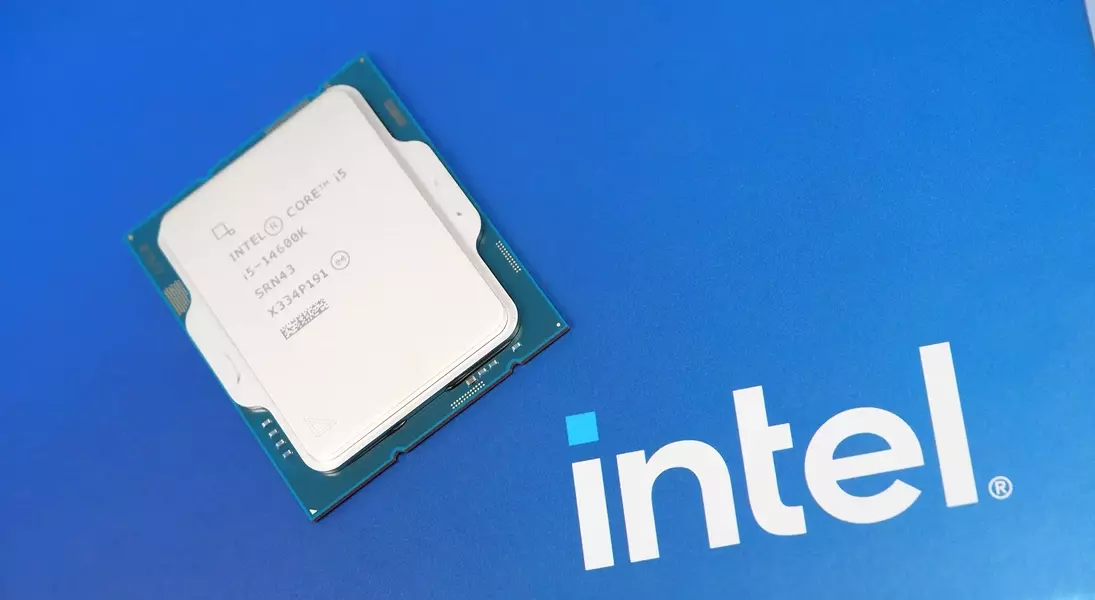
Intel is preparing for the highly anticipated launch of its next-generation Core processors, codenamed Nova Lake, expected in late 2026. This release comes at a critical time, with the computing world grappling with memory shortages and increased demand across various sectors. Despite these challenges, Intel's leadership remains confident in the new lineup's potential to significantly impact both the client and datacenter markets. The company's strategic approach involves focusing on high-end solutions and efficiently allocating limited resources to meet key customer needs, setting the stage for a competitive future in processor technology.
Intel’s upcoming Nova Lake CPUs are positioned to make a substantial impact, particularly by introducing an innovative large last-level cache, a feature rumored to rival AMD’s 3D V-Cache technology. This development could translate into significant performance gains, crucial for both gaming and professional applications. The company's commitment to delivering leadership products is unwavering, aiming for a strong market presence. However, the success of Nova Lake will also depend on its ability to overcome the current industry challenges, including component shortages and the need to offer a compelling upgrade path for users, especially given Intel’s historical approach to socket compatibility.
Intel’s Strategic Market Focus and Product Development
Intel's CEO, Lip-Bu Tan, recently confirmed during a Q4 earnings call that the Nova Lake processors are on schedule for a late 2026 release. This announcement was coupled with a clear strategy to prioritize high-end client solutions and datacenter demands amidst a constrained supply environment. The company aims to achieve a 45% market share and profitability in both notebook and desktop segments over the coming years, driven by a roadmap that combines top-tier performance with cost-effective solutions. This focused approach is designed to navigate the current memory crisis and ensure that critical customer segments receive the necessary allocation of advanced processors. The emphasis on mid-to-high-end offerings for the client market suggests a deliberate move to cater to users seeking maximum performance, while any surplus capacity will be channeled into meeting the robust demand from datacenters.
The strategic decision to concentrate on premium and datacenter products reflects Intel’s adaptability in the face of supply limitations. By prioritizing these segments, Intel aims to maximize its impact where performance and reliability are paramount. This move could also influence the rollout strategy for other product lines, potentially leading to a streamlined release schedule where high-performance K-series chips arrive first, followed by other variants. The company's commitment to its primary customers in both the client and datacenter realms underscores a pragmatic approach to managing resources. This strategy is critical for maintaining market relevance and driving innovation, particularly as the industry navigates a complex supply chain landscape. The success of Nova Lake will thus be a key indicator of Intel’s ability to execute this strategy effectively and deliver on its promise of leadership in computing.
Nova Lake’s Potential Impact and Market Challenges
Nova Lake is anticipated to bring considerable advancements over its predecessor, Arrow Lake, with whispers of a significantly enhanced last-level cache that could act as a direct competitor to AMD’s 3D V-Cache. This technological leap is crucial for Intel to regain a dominant position in the CPU market, especially against AMD’s highly successful Ryzen X3D lineup. Achieving market leadership will require more than just raw performance; Intel must also address the broader ecosystem, including motherboard compatibility and the overall cost of upgrading. The historical trend of Intel rapidly transitioning between processor sockets, such as the expected obsolescence of LGA1851 by the time Nova Lake arrives, presents a challenge for consumer adoption, as it often necessitates a complete platform overhaul.
Despite the promising technical specifications of Nova Lake, Intel faces the uphill battle of convincing consumers to invest in new platforms, especially when existing setups are still viable. The current memory constraints and the competitive landscape mean that every new product must offer a compelling value proposition. Intel’s efforts to ensure leadership in desktop performance with Nova Lake will be closely watched, as it seeks to not only match but surpass its rivals. The company’s financial performance, as evidenced by a 4% year-on-year revenue dip in Q4, highlights the urgency of delivering impactful products like Nova Lake. Meanwhile, developments like Panther Lake for thin-and-light laptops demonstrate Intel's broader strategy to innovate across different computing segments, suggesting a multi-pronged approach to reclaim market share and drive future growth.
