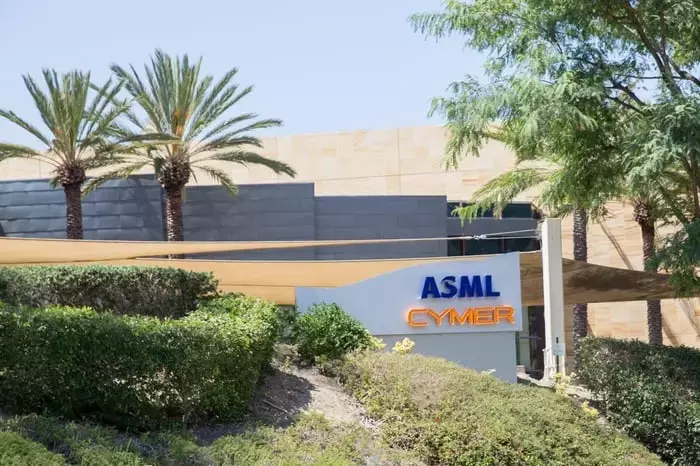
ASML, a pivotal entity in the semiconductor industry, stands at a fascinating juncture. While its unique Extreme Ultraviolet Lithography (EUV) technology is indispensable for crafting the most advanced chips, particularly those fueling the artificial intelligence revolution, the company navigates a complex landscape. Its market position is solidified by the absence of direct competitors in high-end lithography, yet its limited client base and inherent industry cyclicality introduce elements of volatility. Despite recent financial gains, ASML anticipates a slowdown in the latter half of 2025, which has led to a more attractive valuation for potential investors. This confluence of factors paints a picture of a company with immense long-term potential, deeply intertwined with the future of AI and advanced computing.
The trajectory of ASML's stock and financial performance will be largely dictated by its ability to capitalize on the sustained demand for AI chips while effectively managing the cyclical nature of its business. The company's strategic importance in the global technology ecosystem cannot be overstated, as its EUV machines are foundational to the innovations in AI and beyond. As the technological landscape continues to evolve at a rapid pace, ASML's role as an enabler of next-generation computing remains critical, offering a compelling investment thesis for those with a long-term perspective.
The Critical Role of ASML in Semiconductor Innovation
ASML occupies an unparalleled position within the semiconductor ecosystem, primarily due to its exclusive mastery of Extreme Ultraviolet (EUV) lithography. This advanced technology is fundamental to the production of the world's most sophisticated semiconductors, especially those powering the burgeoning field of artificial intelligence. Without ASML's highly specialized machines, which can command prices exceeding $400 million each and require substantial ongoing maintenance, companies like Taiwan Semiconductor Manufacturing (TSMC) would be unable to produce the cutting-edge chips demanded by today's technological landscape. This technological supremacy ensures ASML's indispensable role, granting it significant market power despite competition in lower-end lithography from rivals such as Lam Research and Applied Materials.
The profound impact of AI, particularly generative AI, on the technology sector underscores ASML's strategic importance. The anticipated compound annual growth rate of 29% for the AI chip market through 2030 suggests a robust long-term demand for ASML's equipment. However, the company faces inherent challenges due to its concentrated client base, primarily consisting of a handful of leading foundries like TSMC, Samsung, and Intel. This limited pool of buyers, coupled with the cyclical nature of foundry construction and chip demand, introduces an element of volatility into ASML's business model. Despite these fluctuations, the foundational need for ASML's technology in advanced chip manufacturing positions it as a cornerstone of future technological progress.
Navigating Market Cyclicality and Future Growth Prospects
While ASML's technological leadership is undeniable, its financial performance is subject to the cyclical swings of the semiconductor industry. In the first half of 2025, the company reported impressive revenue growth of 34%, reaching 15.4 billion euros, driven by strong sales in services and field options. This surge translated into a healthy gross margin of 53.7% and a net income exceeding 4.6 billion euros, indicating effective cost and expense management. However, the outlook for the latter half of the year presents a more conservative picture, with anticipated annual net sales growth tapering to 15% and gross margins expected to recede to 52%. This projection led to a post-earnings stock dip, reflecting market concerns over near-term deceleration.
Despite the current short-term challenges and a recent performance that has only modestly surpassed the S&P 500 over the past five years, ASML's long-term prospects remain compelling. The observed slowdown is a characteristic feature of the semiconductor equipment market, yet the underlying demand for AI-ready semiconductors continues to surge. Crucially, ASML's current valuation, with a price-to-earnings (P/E) ratio of 28, represents a multi-year low, significantly below its five-year average of 41. This discounted valuation, combined with the projected expansion of the AI chip market, suggests that new investors could benefit from a multiple expansion as the industry recovers and grows. Therefore, despite facing temporary headwinds, ASML's pivotal role in enabling AI innovation and its attractive valuation make it a strong candidate for outperformance in the coming years.
