This exploration delves into the intricate process of crafting Qatayef, a cherished dessert in the Levant, particularly during Ramadan. It details the steps to achieve the ideal spongy pancake texture, the preparation of both savory cheese and sweet spiced walnut fillings, and the final frying and syrup-drenching that define this traditional delicacy. The narrative also weaves in a personal touch, illustrating the author's journey to perfect the recipe and earn her mother's discerning approval, emphasizing the cultural and familial significance of food.
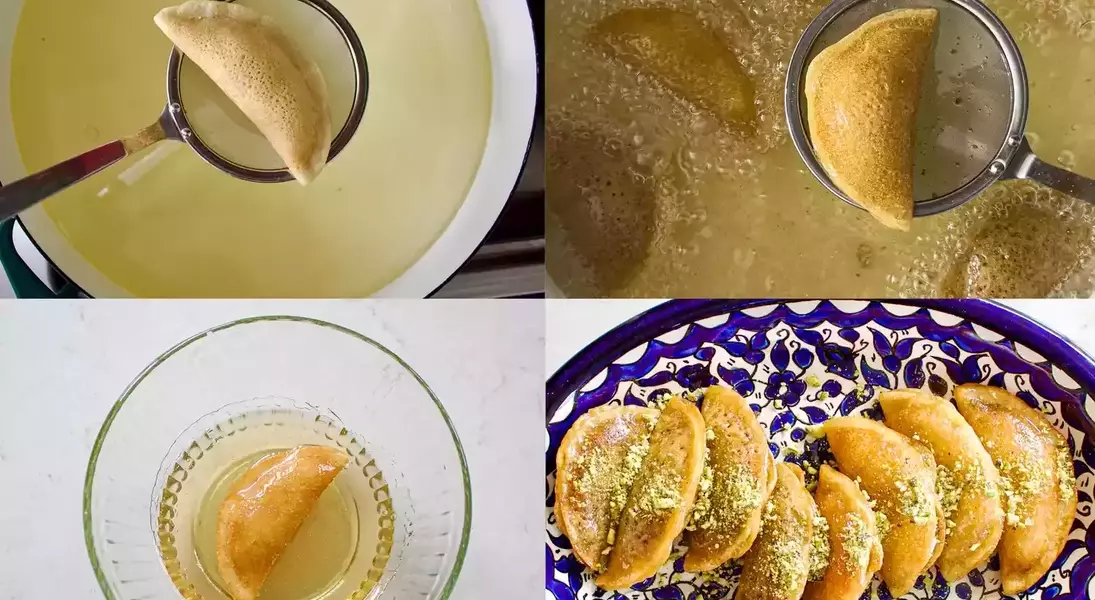
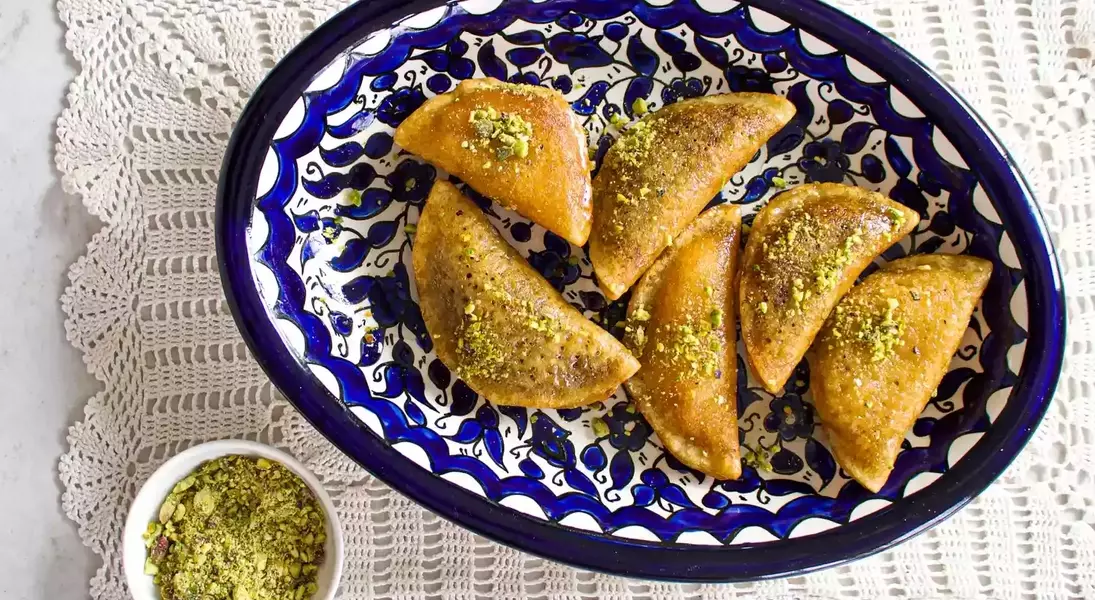
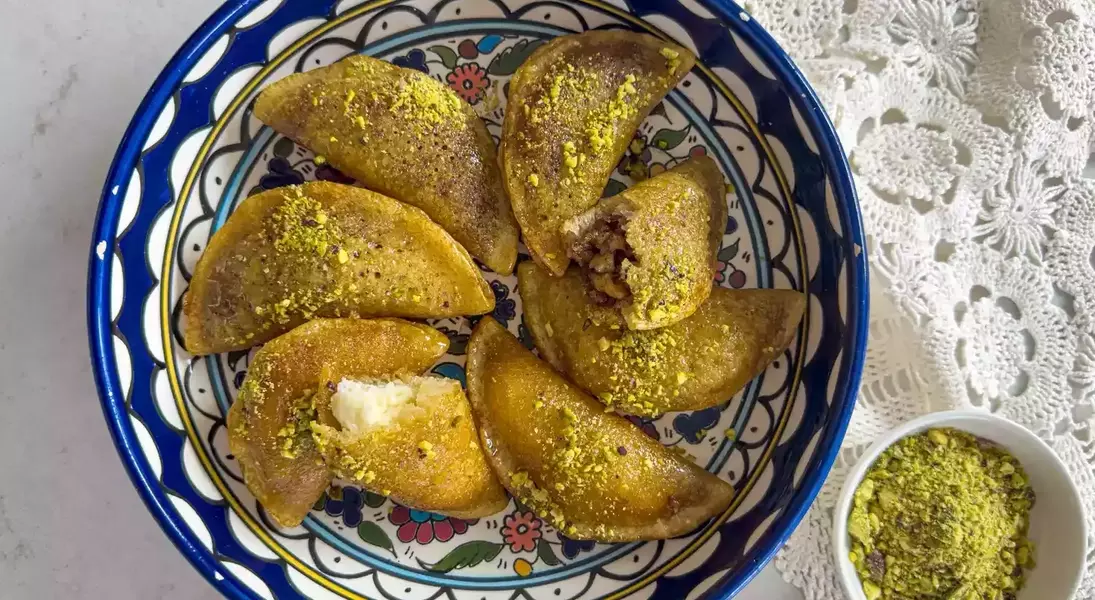
Across the globe, the holy month of Ramadan is observed through various traditions, where food plays a central role in communal gatherings and celebratory rituals. In Jordan, the breaking of the fast, known as Iftar, often involves refreshing "amar el deen" (apricot juice) and a crisp fattoush salad. However, a particular treat that holds a special place in the heart of Jordanian families is qatayef. These yeast-leavened pancakes are cooked until golden on one side, developing delicate air pockets throughout. Traditionally, they are prepared in two variations: qatayef asafiri, an unfried version filled with a rich clotted cream called qishta, and the more commonly recognized qatayef, which involves stuffing them with cheese or a mixture of spiced walnuts and raisins, folding them into crescent shapes, and then frying them to a perfect crispness. These crescent-shaped delights, symbolizing the lunar cycle that marks Ramadan's beginning, are then generously dipped in aromatic orange blossom syrup just before serving.
During Ramadan, local bakeries become bustling hubs, producing qatayef constantly to meet customer demand. While many purchase the pre-cooked pancakes to fill and fry at home, the streets around these bakeries are filled with the sweet, deep, and slightly earthy scent of the fermenting pancakes. Some bakeries, constrained by small kitchens and high demand, even move large griddles to their storefronts, allowing multiple bakers to work tirelessly, cooking and packaging these small pancakes in sealed containers. This tradition underscores the deep cultural connection between qatayef and the Ramadan season, making it a culinary cornerstone of the fasting month.
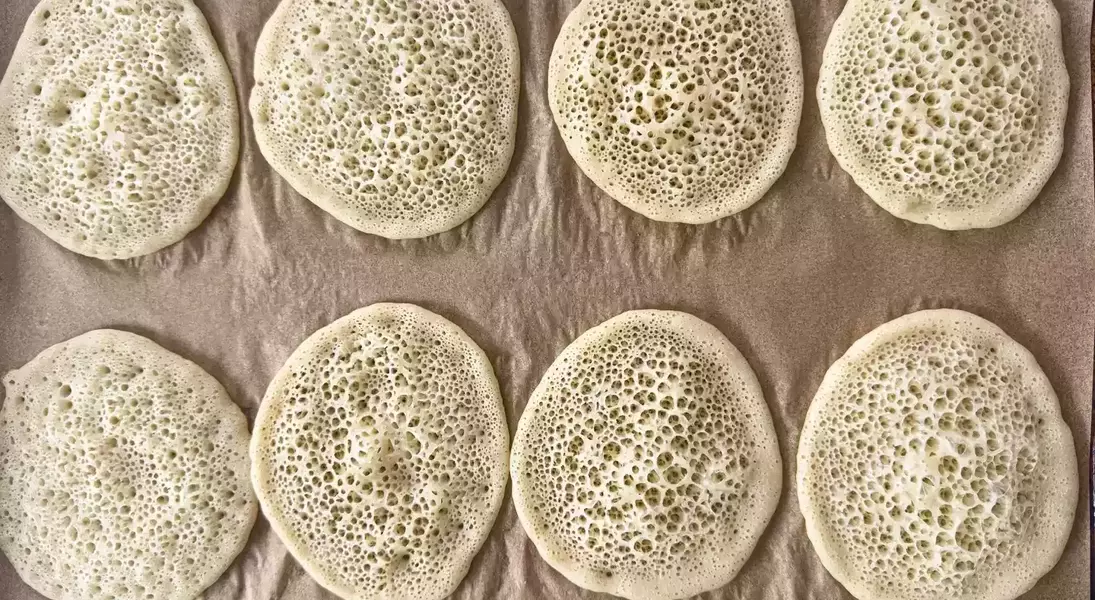
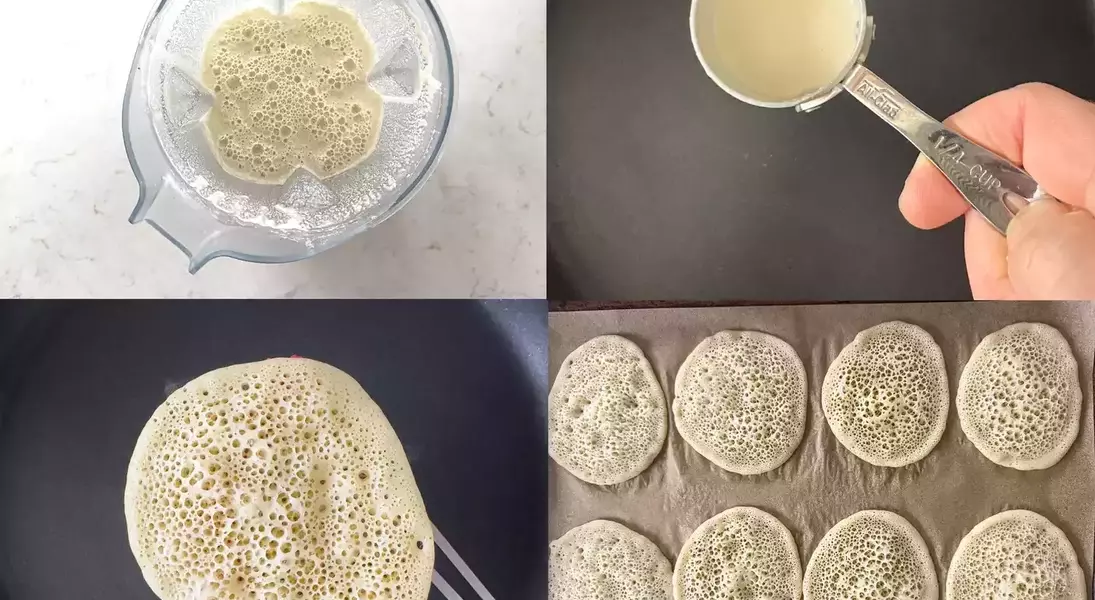
The journey to perfecting Qatayef began with a conversation with the author's mother, a connoisseur of Levantine cuisine. Initially met with skepticism, the challenge of replicating bakery-quality qatayef at home became a personal quest. The mother's insistence on achieving the characteristic "pockets" - tiny holes that appear on the surface of the pancakes - highlighted the technical precision required. Unlike traditional American pancakes, qatayef are cooked only on one side, allowing the top to set while the bottom develops a golden hue and a pale ring, or "zunnar," around the edge. This distinctive belt is formed as the thinner edges dry and lift from the pan, preventing browning, while the thicker center maintains contact with the heat.
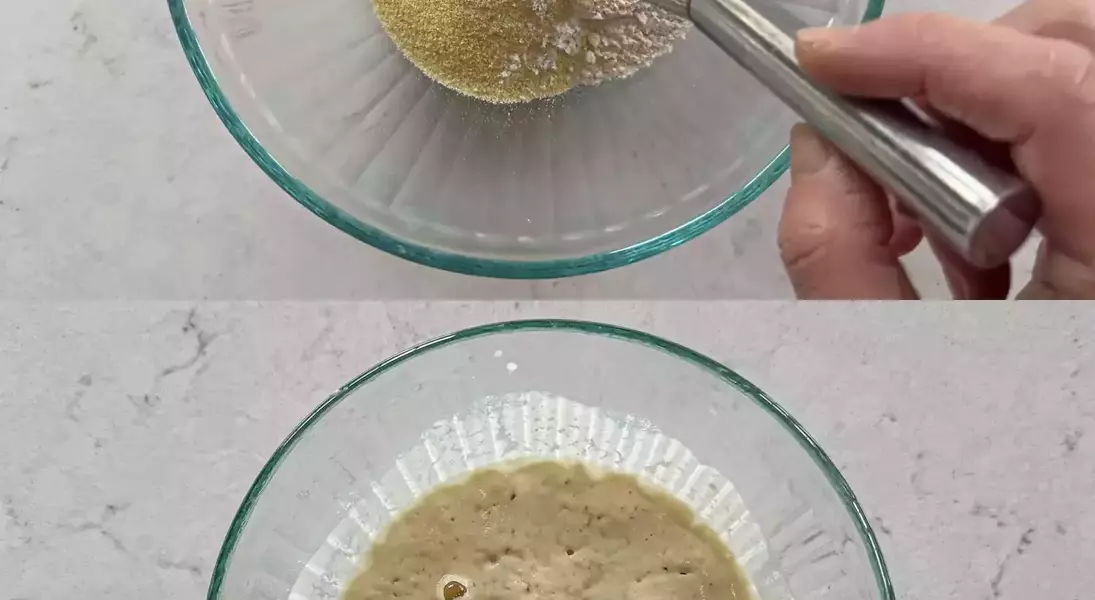
Achieving the desired spongy texture and numerous small holes proved to be a meticulous process. After extensive experimentation, the precise ratio of water to flour and semolina was established, creating a batter with the perfect consistency – neither too thin nor too thick, ensuring even spreading and quick cooking. The inclusion of semolina, coarser than all-purpose flour, was crucial for its liquid-absorbing properties, contributing to a firm, chewy, and moist finished product. Early tests revealed that a longer resting period for the batter was essential. While many recipes suggest a mere 30-minute rest, allowing the yeast to ferment for one to two hours, depending on ambient temperature, significantly improved the airiness and perforation density. This extended resting time permitted a gradual yeast fermentation, resulting in a more uniform and finely-pored pancake. However, even with these adjustments, the qatayef still fell short of expectations, prompting further refinement.
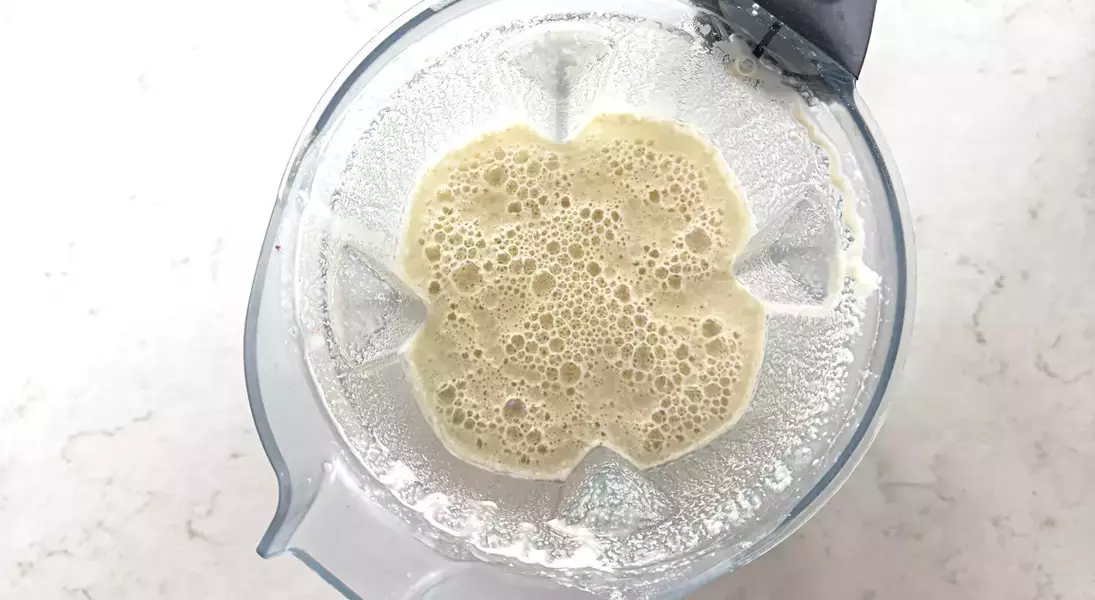
To further refine the texture and achieve the elusive tiny pockets, an additional step was introduced: briefly blending the batter a second time just before cooking. This re-blending incorporated more air, contributing to an even finer network of holes. Furthermore, baking soda was added after the initial long rest and immediately before the second blending. This ensured a rapid release of carbon dioxide during cooking, promoting a perfect rise and an exquisitely spongy texture. With these final adjustments, the qatayef pancakes emerged from the skillet adorned with the coveted tight and tiny pockets, signaling success in the intricate culinary endeavor.
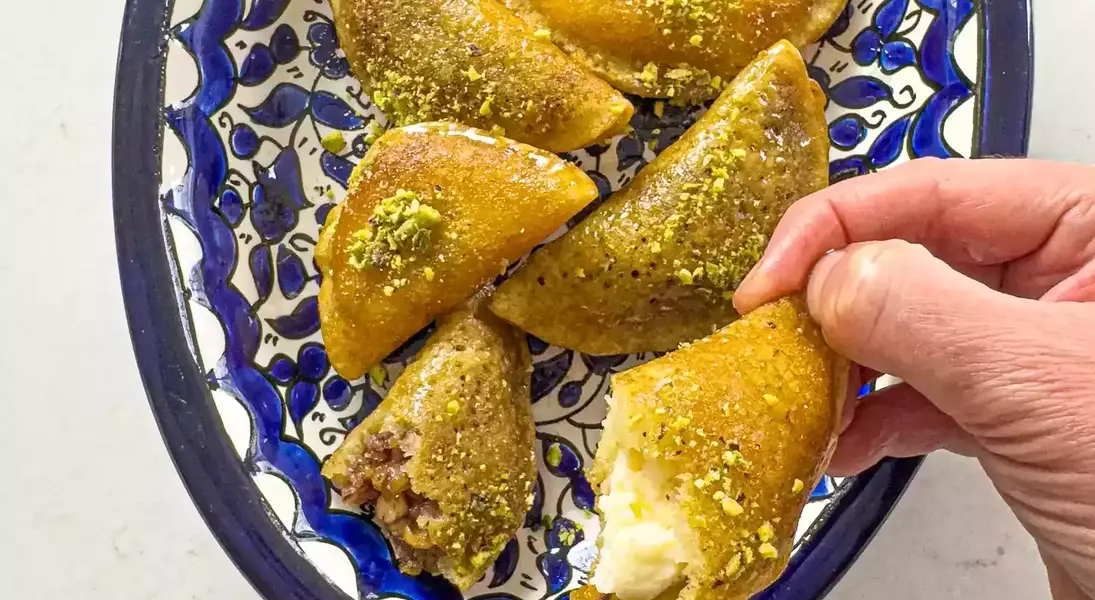
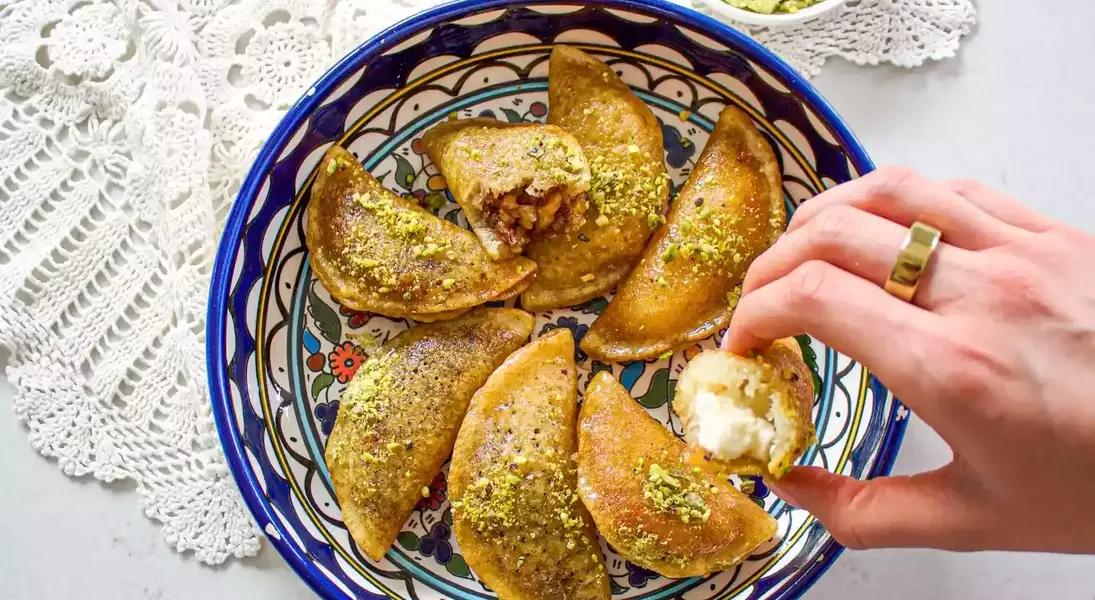
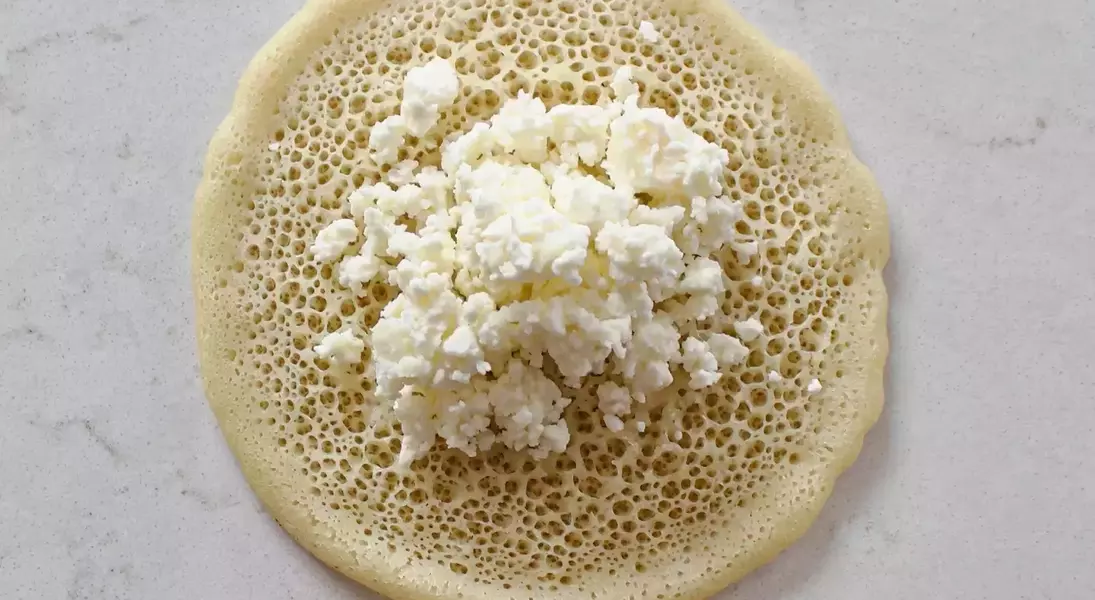
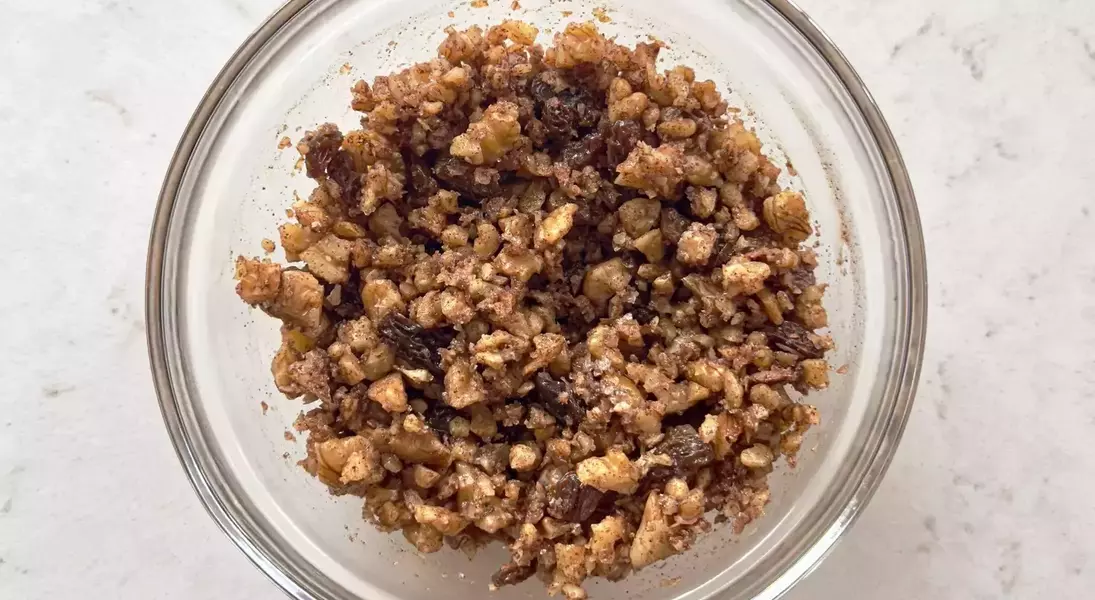
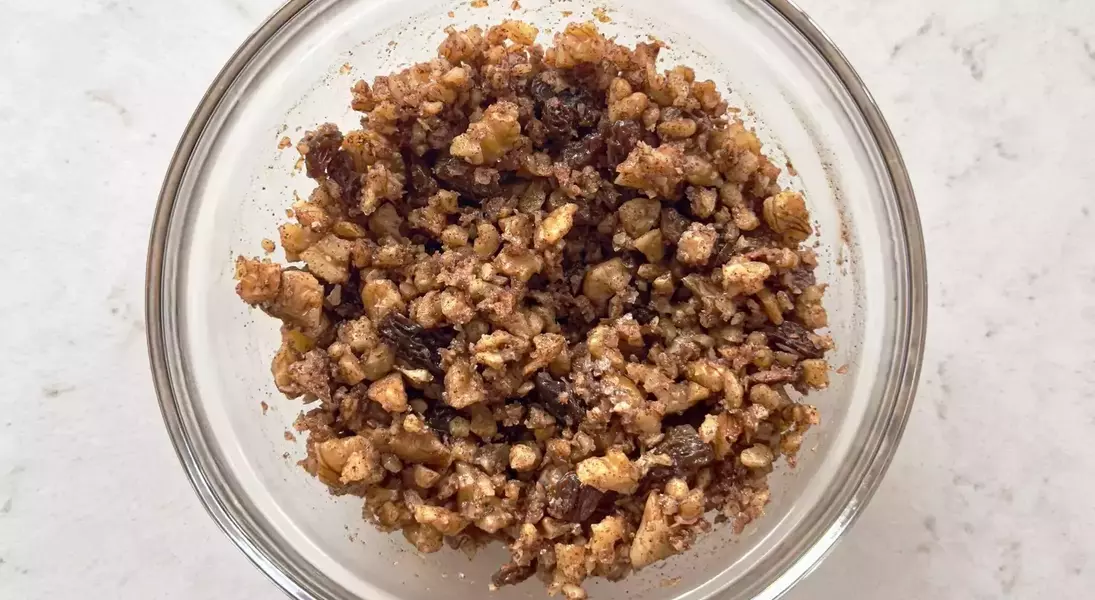
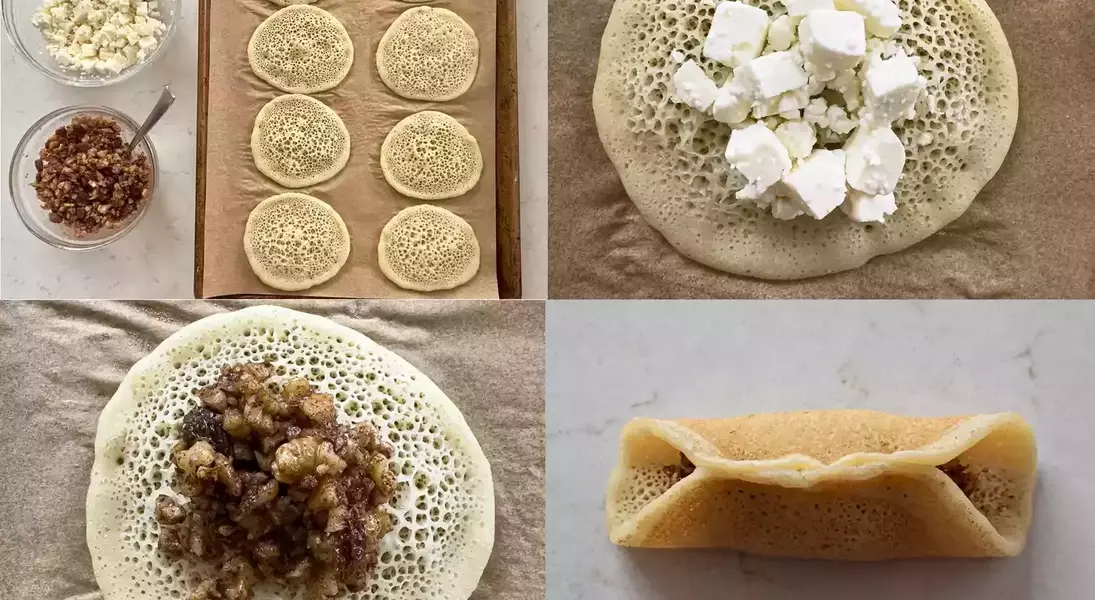
Qatayef are most commonly prepared with two distinct fillings: a cheese-based mixture and a spiced walnut-raisin combination. These two variations are typically presented together on a single platter, with their subtle color differences helping distinguish between them—the walnut-filled pastries often exhibiting a slightly darker tone. This recipe offers instructions for both filling options, each designed to yield enough for eight qatayef. For those wishing to sample both, halving each filling recipe allows for the creation of four of each type. Alternatively, one can double the batter and syrup quantities to prepare a full batch of qatayef with both fillings.
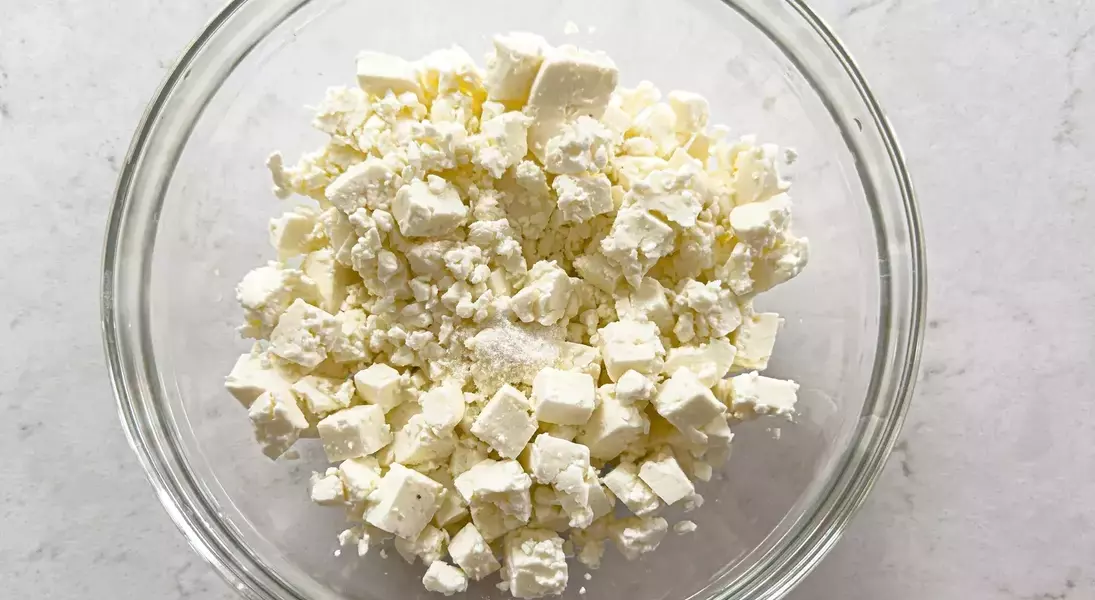
The walnut-raisin filling is characterized by its comforting, robust cinnamon flavor, subtly enhanced by a dash of orange blossom water, which imparts a delicate aromatic quality. The cheese filling traditionally uses Nabulsi cheese, a mild, slightly chewy, and elastic cheese often flecked with nigella seeds. Given that Nabulsi cheese is frequently sold in a salty brine, it requires thorough soaking in multiple changes of water to eliminate excess salt. While a faint salty note is desirable, prolonged soaking is necessary if the cheese remains too salty. The nigella seeds can be removed before chopping, though a few remaining seeds are acceptable. Some recipes incorporate a hint of mastic gum, a tree resin known for its piney, woody aroma, commonly used in Arabic confections. Nabulsi cheese is readily available in Middle Eastern markets, but fresh mozzarella (packed in water) serves as an excellent, less labor-intensive substitute, as it requires no prior soaking.
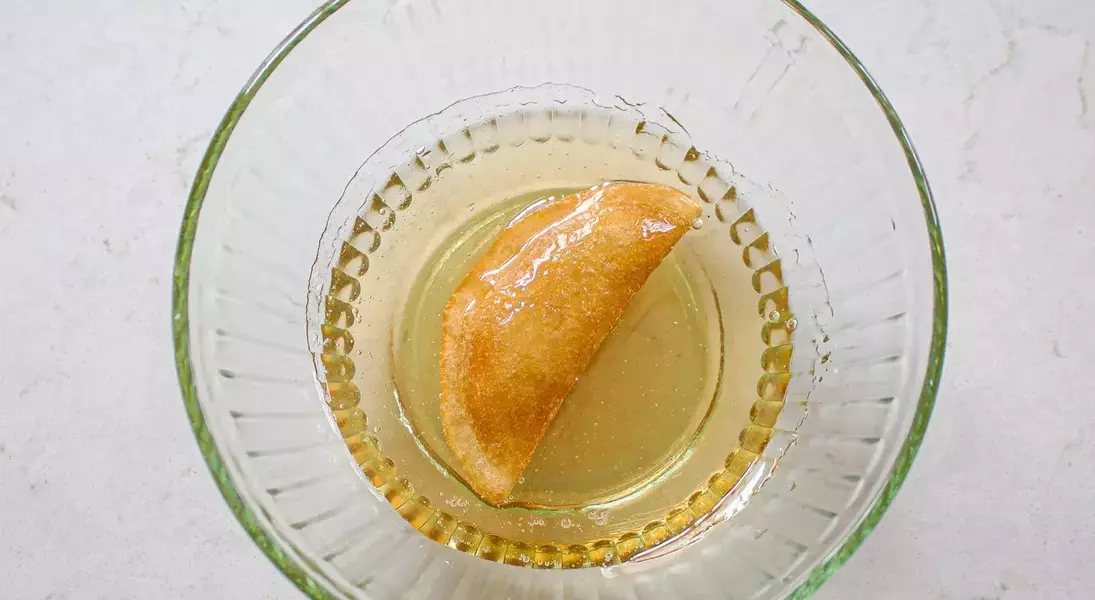
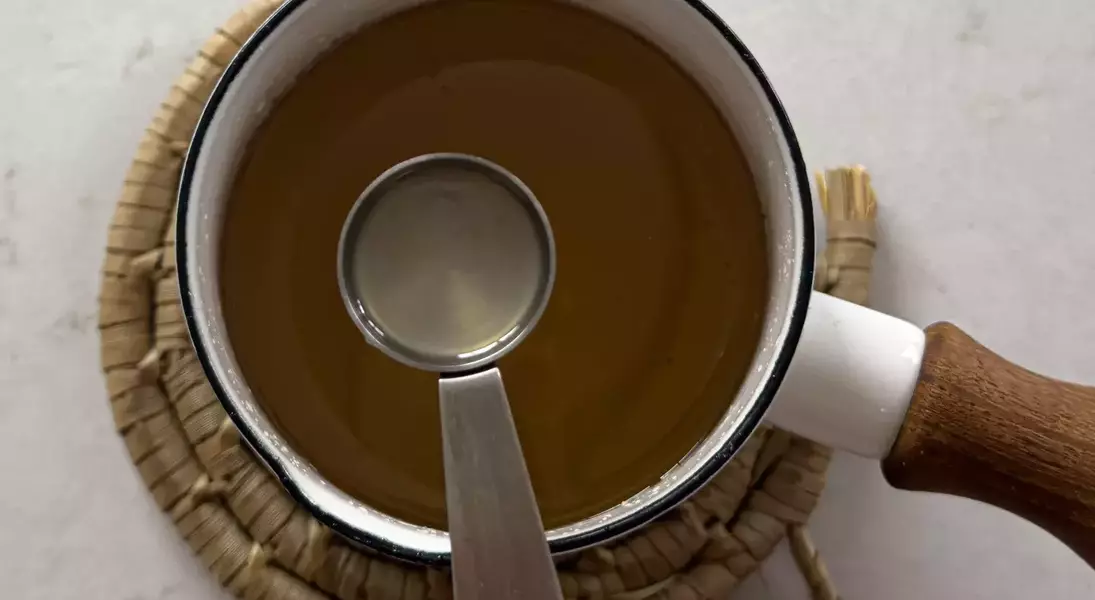
The syrup, a crucial component of many Arabic confections, often features ingredients reminiscent of an enchanted garden, such as mastic resin, orange blossom water, and rose water. These exotic-sounding ingredients are, in fact, fundamental to creating authentic traditional desserts. The qatayef syrup is characteristically thick and infused with orange blossom water, which imparts a fragrant floral scent and delicate citrusy undertones, evocative of orange peels. While some recipes include rose water, its strong perfumed flavor can be divisive, making orange blossom water a preferred choice for its subtle elegance. A small amount of fresh lemon juice is also incorporated to provide a bright, balancing acidity to the syrup.
The delicate aromas of lemon juice and orange blossom water can be lost if added too early in the cooking process. Conversely, adding these cooler liquids to hot syrup after it's finished can cause crystallization due to temperature shock, disrupting the sugar's structure. The optimal method involves stirring them in towards the end of the simmering process and allowing the syrup to gently cook for an additional 30 seconds. The syrup should be warm when the fried qatayef are dunked into it, ensuring maximum absorption and flavor infusion.
Upon the successful completion of the final rounds of testing, the author triumphantly shared new photographs of the perfected qatayef with her mother. The mother’s response was one of sheer delight and overwhelming excitement. She unequivocally acknowledged that the homemade qatayef looked identical to the ones she would purchase from the bakery, so much so that the images stirred an immediate craving, prompting her to rush out and buy some. This culinary journey, while deeply personal, highlights a common dynamic in mother-daughter relationships revolving around food: a quest for validation and shared joy through the mastery of traditional recipes, proving that sometimes, the most profound connections are made, one perfect bite at a time.
