
Choosing the ideal sauté pan is crucial for any home chef, offering immense versatility that bridges the gap between a frying pan and a saucepan. These essential kitchen tools are adept at handling a variety of cooking tasks, from braising and simmering to crafting rich pasta sauces and one-pot rice dishes. Our comprehensive evaluation involved putting thirteen different sauté pans through a series of demanding tests, meticulously assessing their performance across various culinary scenarios. This guide aims to simplify your decision-making process by highlighting the top contenders, detailing their unique attributes, and explaining how our rigorous testing methodology led to our selections.
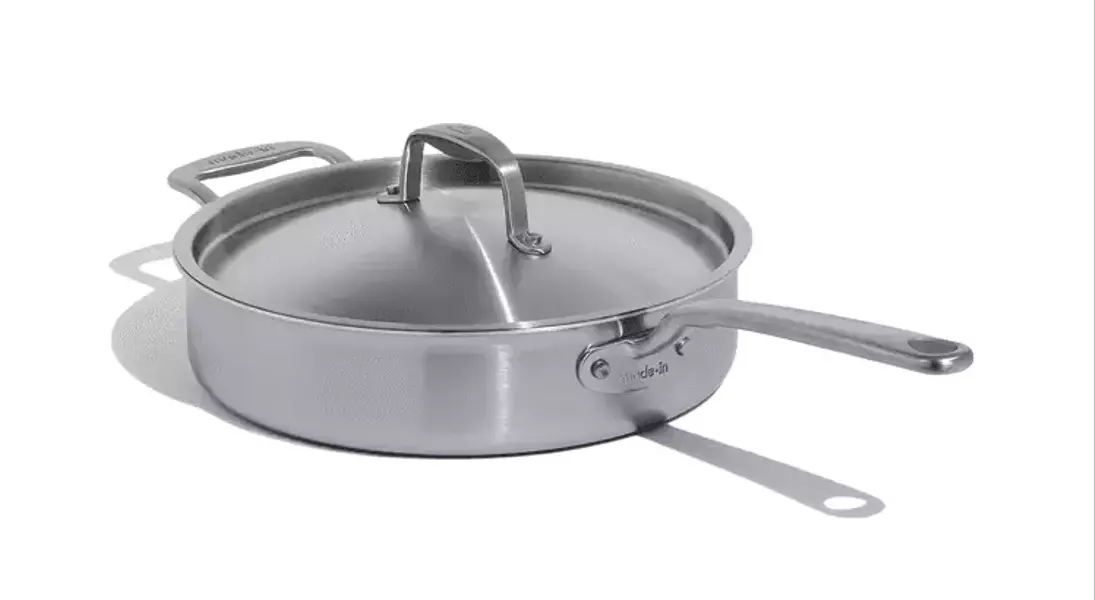
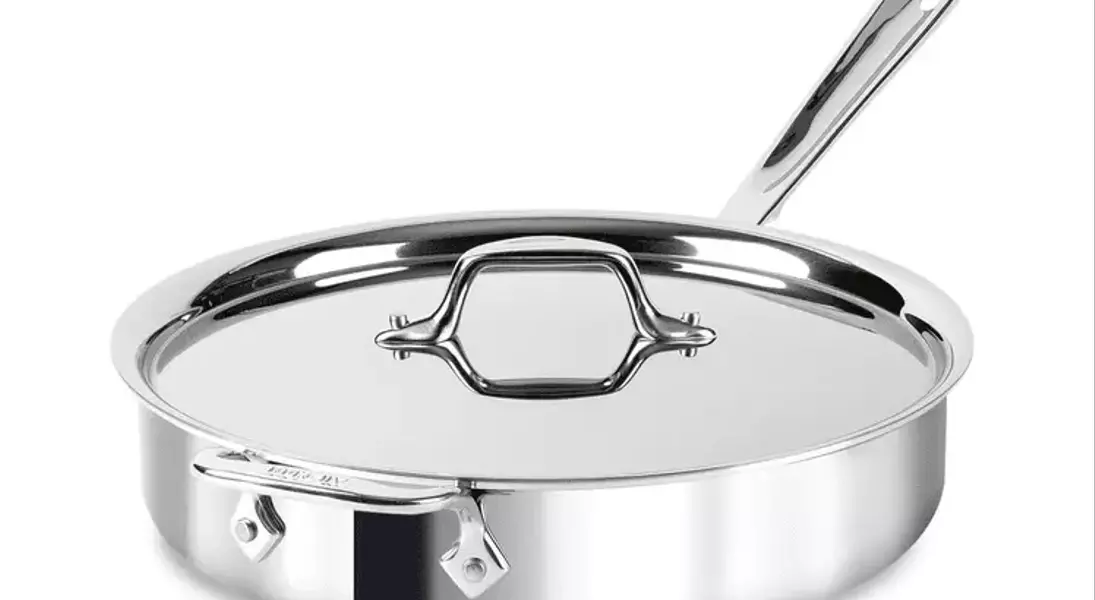
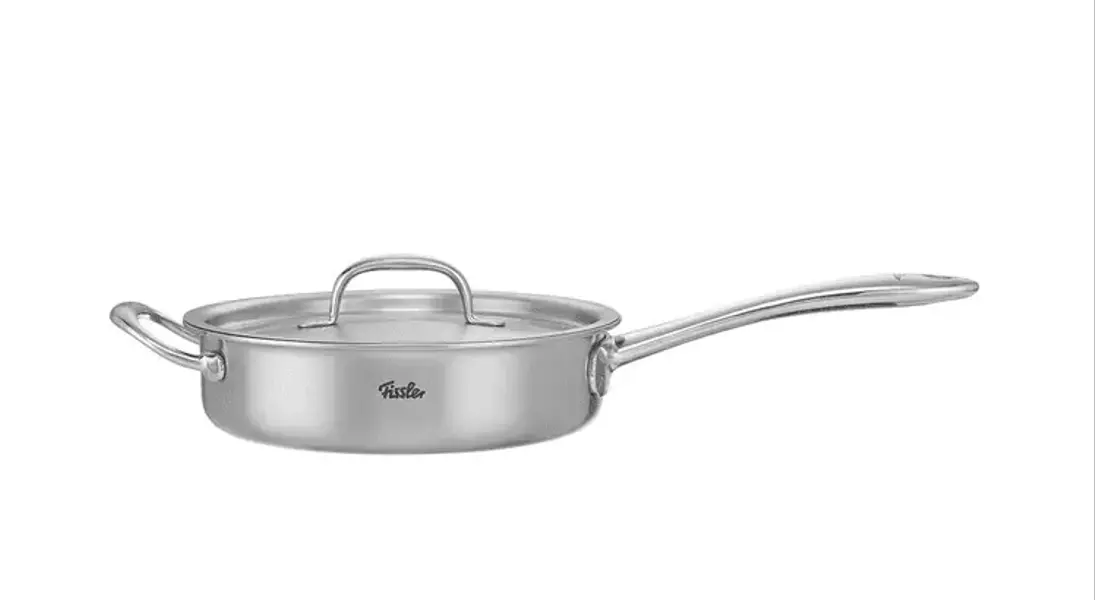
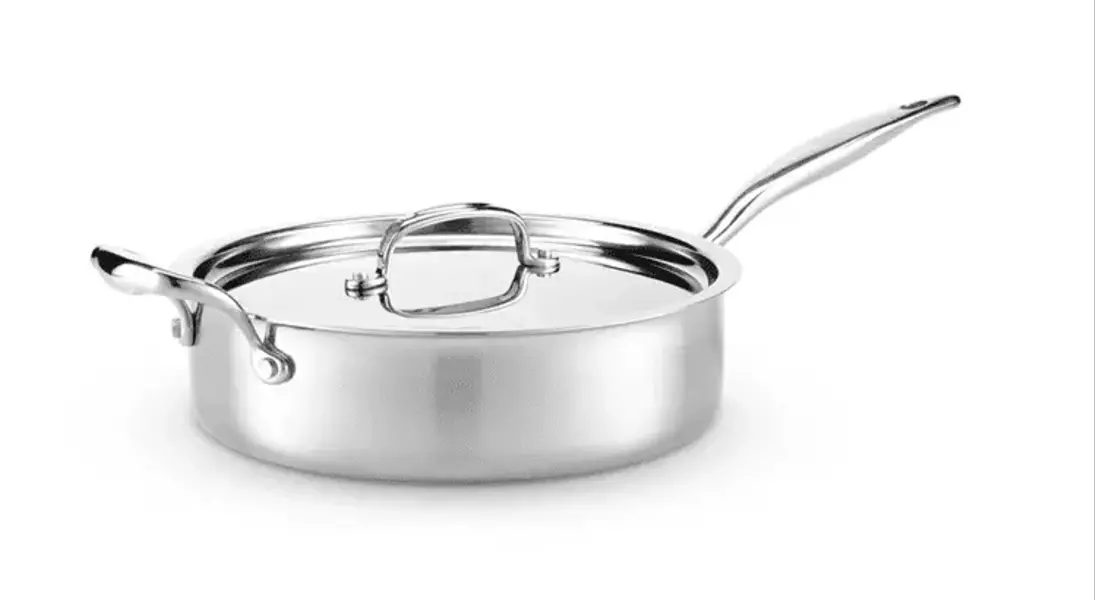
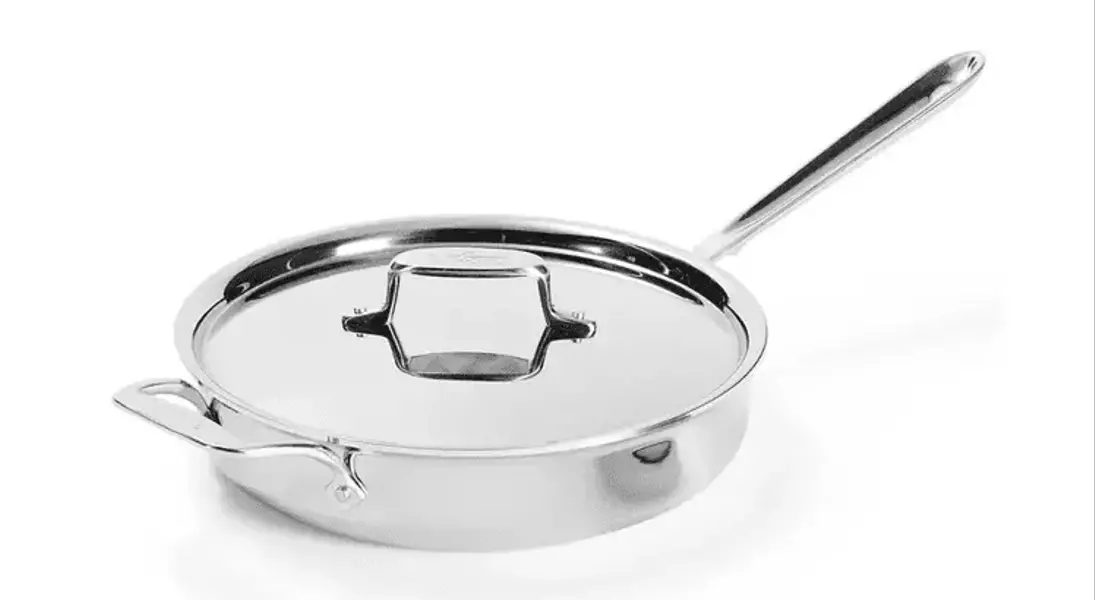
Our findings reveal that while many pans perform admirably, certain models stand out for their exceptional heat control, durability, and ergonomic design. The Heritage Steel x Eater 4-Quart Sauté Pan, for instance, impressed with its rapid and even heating, surpassing even some long-standing favorites. Similarly, the All-Clad D3 3-Quart Sauté Pan reaffirmed its reputation for consistent performance and superior heat diffusion, making it a reliable choice for diverse cooking needs. For those on a tighter budget, the Goldilocks 3.5-Quart Sauté Pan offers remarkable value, providing excellent functionality without breaking the bank. Additionally, the Fissler M5 Pro-Ply 5-Quart Sauté Pan proved to be a powerhouse for high-heat cooking, demonstrating an impressive ability to prevent scorching and enhance flavor development through radiant heat. Each of these pans, alongside others, underwent stringent testing to ensure they meet the rigorous demands of everyday cooking, helping you achieve professional-level results in your own kitchen.
Top-Performing Sauté Pans for Every Kitchen
The selection of a sauté pan greatly impacts cooking outcomes, with different models excelling in specific areas. The Heritage Steel x Eater 4-Quart Sauté Pan emerged as a notable favorite due to its advanced 5-ply construction, which surprisingly allowed for faster heating than many traditional 3-ply pans, such as the All-Clad D3. Its impressive heat distribution ensured consistent cooking temperatures across the entire surface. This pan's design also offers increased depth without a wider footprint, making it ideal for dishes requiring more liquid or for minimizing splatter during high-temperature searing. Meanwhile, the All-Clad D3 3-Quart Sauté Pan, a perennial favorite, proved its mettle through consistent performance in all our tests, showcasing excellent searing capabilities and efficient browning without scorching. Its tri-ply stainless steel design, featuring an aluminum core, offers an optimal balance of quick heating and uniform heat retention, making it a versatile workhorse in any kitchen. The D3's lightweight nature and generous cooking surface further contribute to its appeal, facilitating easy handling and quick evaporation of liquids for sauces and reductions.
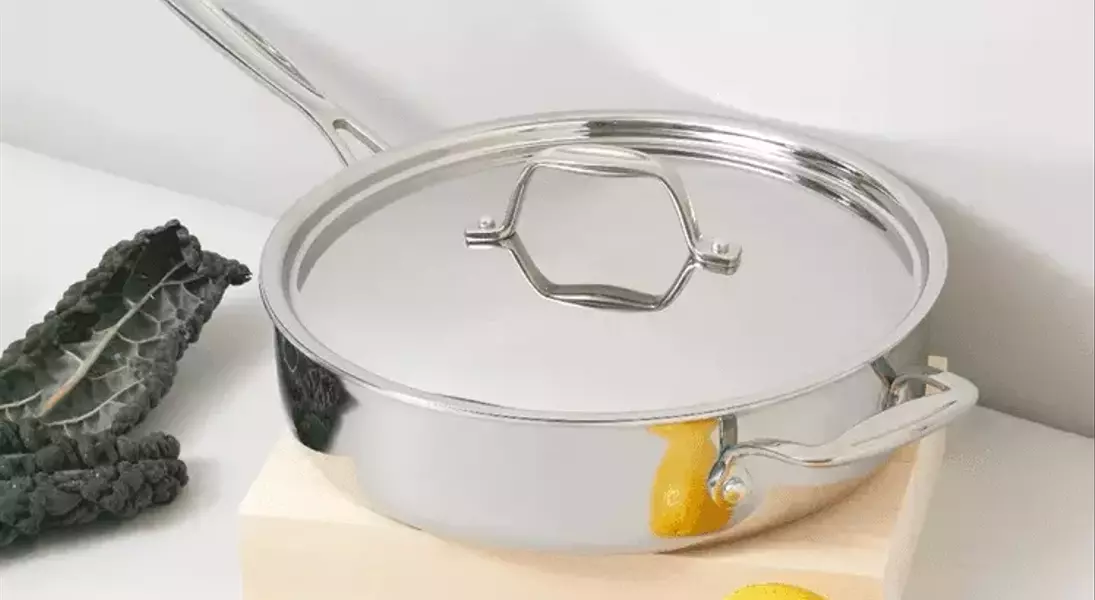
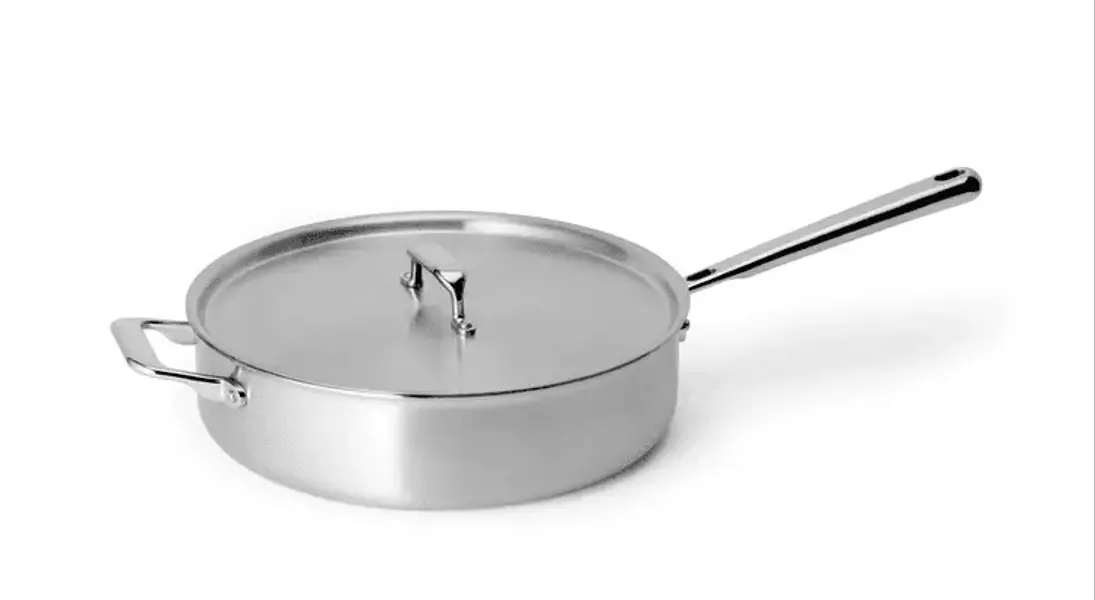
For budget-conscious cooks, the Goldilocks 3.5-Quart Sauté Pan stood out as an exceptional value, closely mirroring the dimensions and performance of more expensive models. Despite its affordability, it demonstrated even heat distribution and a useful height, making it suitable for a variety of recipes. Although its thinner cladding occasionally led to minor scorching at very high temperatures, this was easily manageable with careful attention, and its lightweight design enhanced its maneuverability. On the other end of the spectrum, the Fissler M5 Pro-Ply 5-Quart Sauté Pan impressed with its ability to handle high-heat cooking without burning food, a testament to its superior thermal capacity and efficient radiant heat distribution from its thick 5-ply construction. While it heats up a bit slower than lighter pans, its robust performance on strong burners and thoughtful features like volumetric measurements and an ergonomic handle make it a worthwhile investment for those seeking an exceptional cooking experience. Each of these pans offers distinct advantages, catering to various cooking styles and budget considerations, ensuring there's a perfect sauté pan for every culinary enthusiast.
The Science Behind Sauté Pan Performance: Heat Control and Design
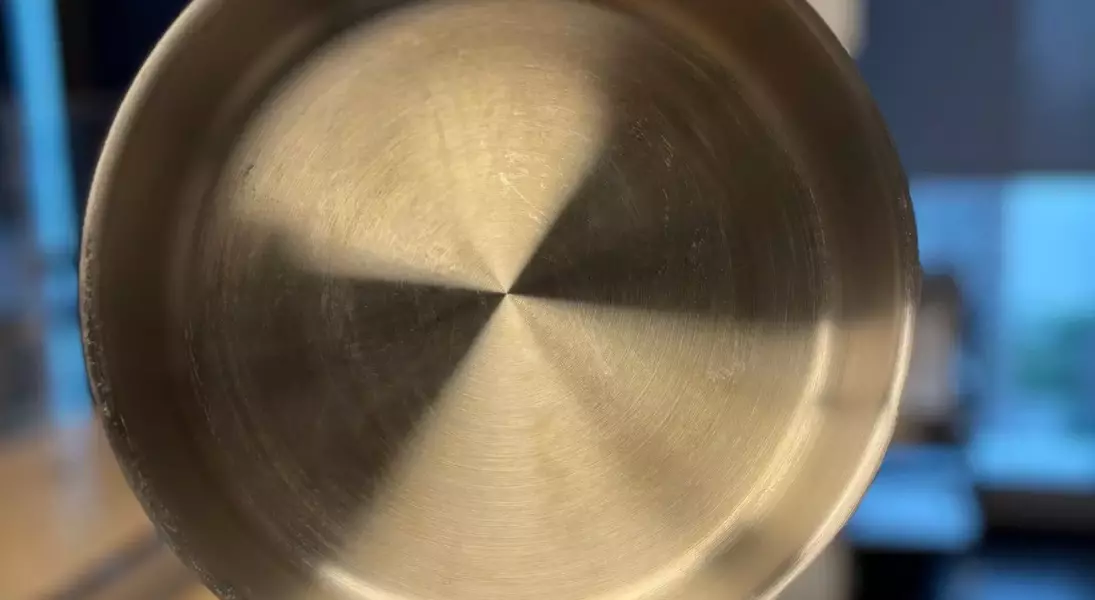
Understanding the fundamental principles of heat control is essential when evaluating sauté pans, as it directly impacts cooking efficiency and results. Our testing focused on how effectively each pan conducted and distributed heat, a critical balance between responsiveness to temperature changes and maintaining even heat across the cooking surface. Stainless clad cookware, typically featuring layers of aluminum sandwiched between stainless steel, is designed to achieve this balance. Aluminum's high thermal conductivity allows for rapid heating and cooling, while stainless steel ensures uniform heat retention and distribution. However, not all multi-clad pans are created equal; the thickness and composition of these layers significantly influence a pan's performance. A pan with effective heat distribution can cook at higher temperatures without developing hot spots that lead to scorching, providing greater control over the cooking process. Our rigorous thermal conductivity tests, involving surface temperature readings and practical cooking trials with chicken and onions, highlighted how quickly pans evened out in temperature after heat exposure, indicating their efficiency in heat management.
Beyond thermal performance, the maneuverability and dimensions of a sauté pan play a crucial role in its practicality and user experience. Given that sauté pans frequently move from stovetop to oven, their weight, handle design, and overall balance are vital considerations. We sought pans that were lightweight enough for comfortable one-handed use, yet substantial enough to prevent warping or uneven heating. Ergonomic handles that remain cool during cooking and additional helper handles for larger pans were also key factors. The ideal dimensions for a sauté pan, typically 10-11 inches in diameter and 2.5-3 inches in height for a 3 to 3.5-quart volume, were found to optimize cooking surface area and liquid capacity without becoming unwieldy on a standard four-burner stovetop. Pans exceeding a 12-inch diameter were often found to be less efficient on typical home burners, as the heat source couldn't adequately cover the entire base. Our comprehensive assessment of these characteristics, from heat responsiveness and evenness to ergonomic design and optimal dimensions, ensured that our top recommendations not only perform exceptionally but also enhance the overall cooking experience in diverse kitchen environments.
