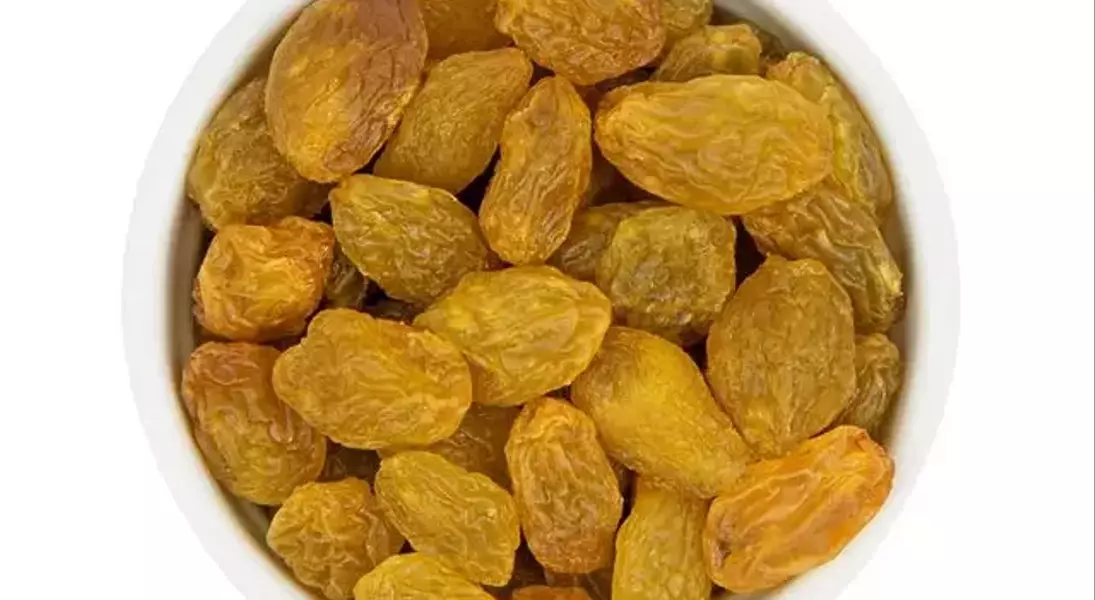
Delve into the exquisite world of Kugelhopf, a brioche-style bread that gracefully bridges the culinary traditions of Austria and France’s Alsace region. This article guides you through crafting a majestic, golden loaf, celebrated for its tender, airy texture. Enriched with fine butter and fresh eggs, infused with bright citrus notes, and dotted with succulent golden raisins, this bread is a testament to timeless baking. Whether enjoyed for breakfast, brunch, or as an elegant dessert, Kugelhopf promises to be a stunning centerpiece that delights both the eye and the palate.
Mastering the Classic Kugelhopf: A Culinary Journey
The journey to a perfect Kugelhopf begins with understanding its rich heritage and unique characteristics. Originating likely in Austria, this delightful confection has found a beloved home across France, especially in the Alsace region, and Switzerland, known by various charming names such as gugelhupf or gugelhof. It's a bread that tells a story of European culinary artistry, distinguishing itself through a slow fermentation process that results in a wonderfully soft and ethereal crumb.
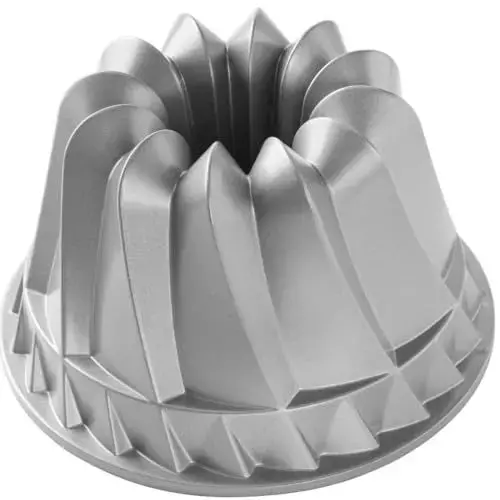
Achieving the signature form of Kugelhopf typically requires a specialized pan – one that is tall, slender, and deeply ridged. While these unique molds contribute to its distinctive appearance and sharp contours, a standard 10–12 cup light-colored Bundt pan can also be utilized effectively, though it might yield a slightly broader loaf with gentler ridges. It is crucial to opt for light-colored metal pans to ensure an even, beautiful golden-brown crust without overbaking. Darker or nonstick alternatives risk an excessively browned exterior and a shortened baking time.
A common query arises regarding the distinction between Kugelhopf and Italian panettone. Both are festive yeast breads adorned with dried fruits, yet they possess clear differences. Kugelhopf is typically richer in butter and subtly sweet, consistently baked in its characteristic ring shape. Panettone, conversely, boasts a lighter, airier consistency, undergoes a more extended fermentation, and often incorporates nuts, chocolate, and candied peels alongside dried fruit, baked in a cylindrical paper mold without a central opening.
For those planning ahead, Kugelhopf is remarkably accommodating. While at its peak on the day it's baked, it maintains its quality for up to one day when covered at room temperature, and can be frozen for an impressive two months. To rejuvenate frozen slices, a quick 5-8 minute warm-up in a 350°F oven is all it takes to restore its fresh tenderness.
Determining when your Kugelhopf has reached perfection is key. The loaf should exhibit a deep golden-brown hue, and an instant-read thermometer inserted into its core should register 190°F. A reliable alternative is to insert a long wooden skewer; if it emerges clean, your Kugelhopf is ready. Should your bread turn out dense, it often points to insufficient kneading, a lack of complete dough rise, or expired yeast. Ensuring the dough is smooth and elastic, allowing a full rise, and verifying yeast freshness are critical steps to a light, airy loaf.
Serving this magnificent bread is simple and versatile. Enjoy it sliced, either warm or at room temperature, with a generous dusting of powdered sugar. Leftovers, when toasted and spread with butter or jam, offer an equally delightful experience, making Kugelhopf a versatile treat for any time of day.
The creation of Kugelhopf is more than just baking; it's an embrace of European culinary heritage. This bread embodies comfort, celebration, and tradition, offering a sensory experience that transcends a simple meal. From its rich ingredients to its distinctive shape, every aspect of Kugelhopf invites you to slow down and savor the moment. It reminds us of the beauty in patiently crafted foods and the joy they bring to our tables, fostering a connection to cultures and techniques passed down through generations. It’s a call to appreciate the simple pleasures of a perfectly baked loaf, shared with loved ones.
