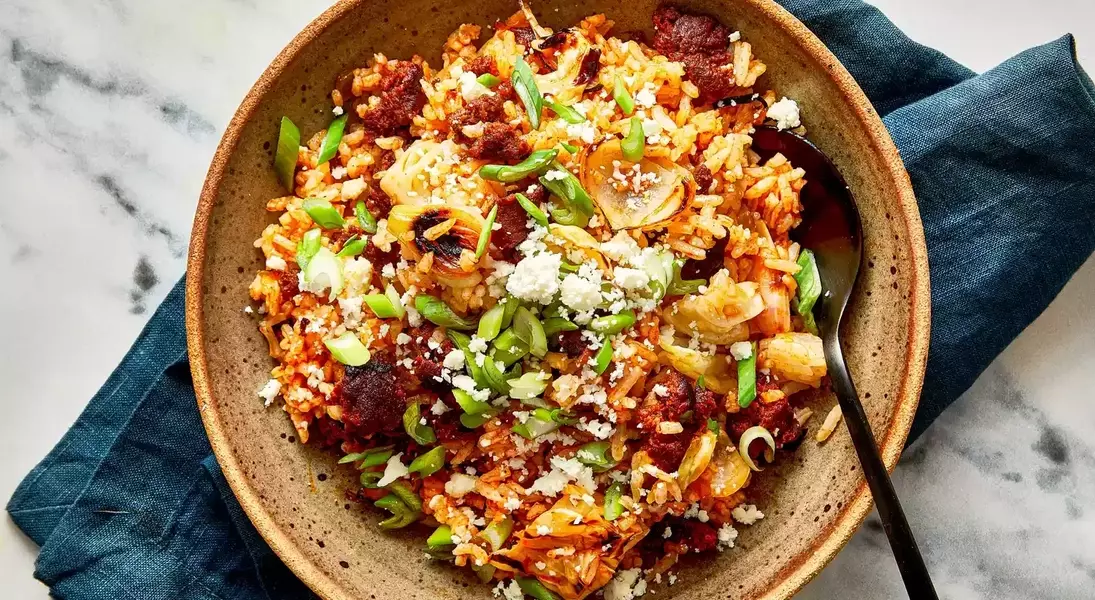
This article explores an innovative approach to fried rice, fusing the familiar Asian stir-fry technique with robust Mexican flavors. The inspiration for this dish emerged from an unexpected source: an Italian steakhouse. The resulting creation is a dynamic and quickly prepared meal, showcasing a masterful interplay of smoky, savory, and tangy elements. It emphasizes leveraging readily available ingredients to craft a deeply satisfying and adaptable culinary experience.
The genesis of this culinary fusion traces back to a memorable anniversary dinner at Be.Steak.A in Campbell, California. The author, seeking something beyond typical Italian fare, discovered a unique fried rice dish on the menu. This version featured fennel-infused sausage, pickled Calabrian chiles, and Pecorino Romano cheese, offering a delightful blend of warm spices, a piquant kick, and a subtle cheesy richness that bound the ingredients together. Captivated by this unexpected harmony of flavors and textures, the author was inspired to recreate this concept, but with a personal touch using ingredients more commonly found in their own kitchen.
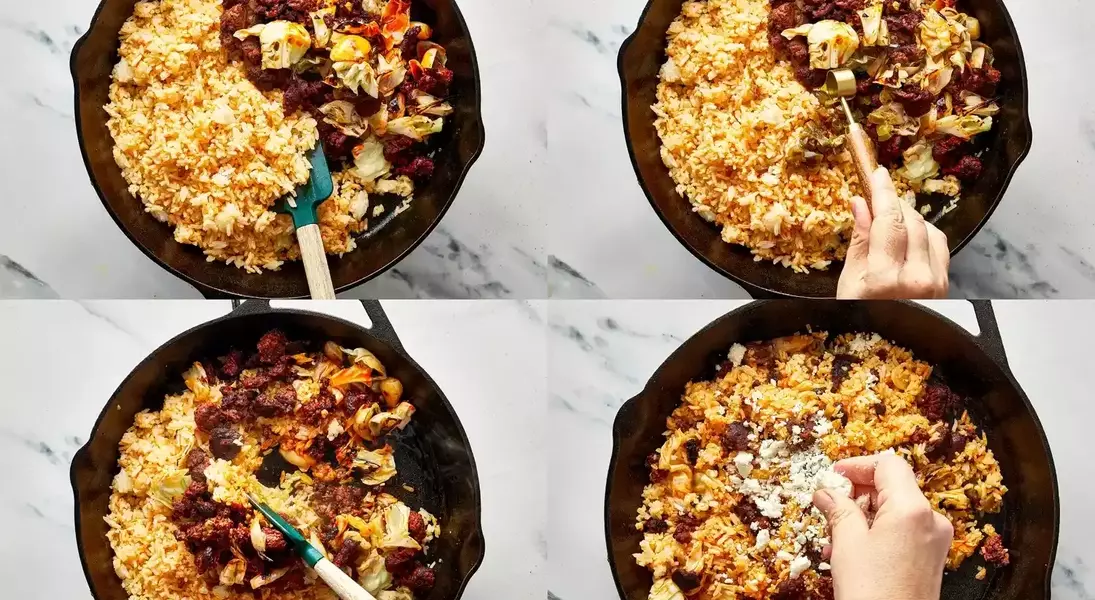
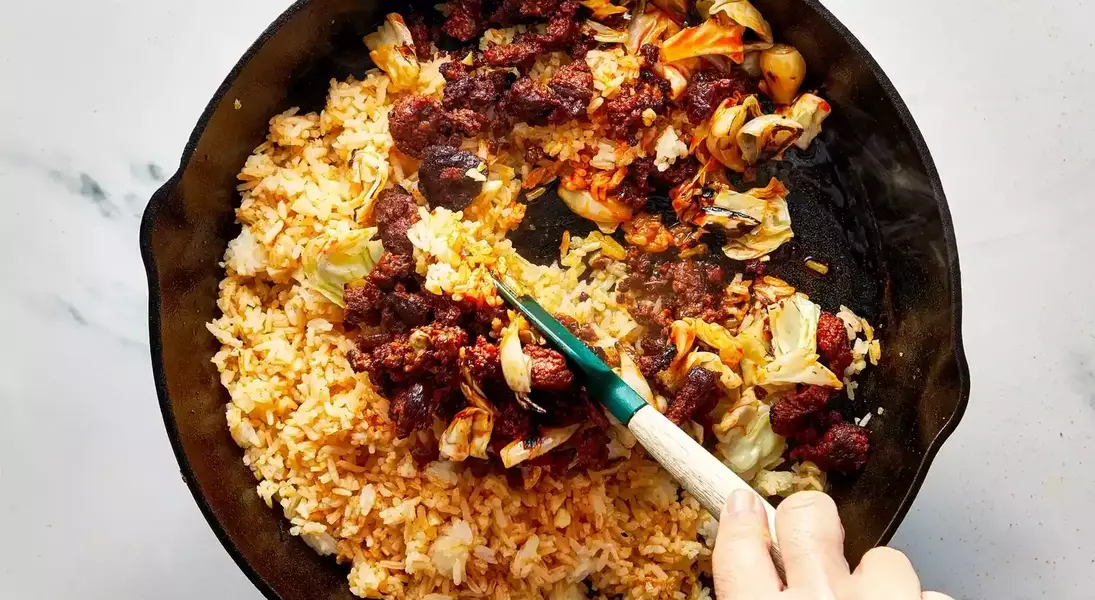
To adapt the dish, traditional Italian components were thoughtfully replaced with Mexican-American equivalents. Italian sausage gave way to flavorful chorizo, while pickled Calabrian chiles were substituted with zesty pickled jalapeños and a hint of their vibrant brine. Instead of Pecorino, cotija cheese was used to complement the new flavor profile. This adaptation proved to be highly successful, transforming into a weekly staple due to its reliance on accessible ingredients and its versatility with various produce. The core cooking method involves charring ingredients in a hot pan in small batches, a technique valued across Italian, Asian, and Mexican cuisines for building profound layers of flavor and aroma.
A crucial element in this recipe is the initial charring of vegetables. Mexican green onions, known as cebollitas, with their characteristically plump bulbs, are ideal for this step. When seared alongside cabbage, the cebollitas develop a smoky, savory, and slightly sweet flavor, while the cabbage wilts and acquires a pleasant char. This process infuses the fried rice with a distinct smoky essence, reminiscent of high-heat grilling or wok cooking. Cebollitas contribute a varied texture and a more pronounced bite, though regular scallions can be used as a substitute if cebollitas are unavailable.
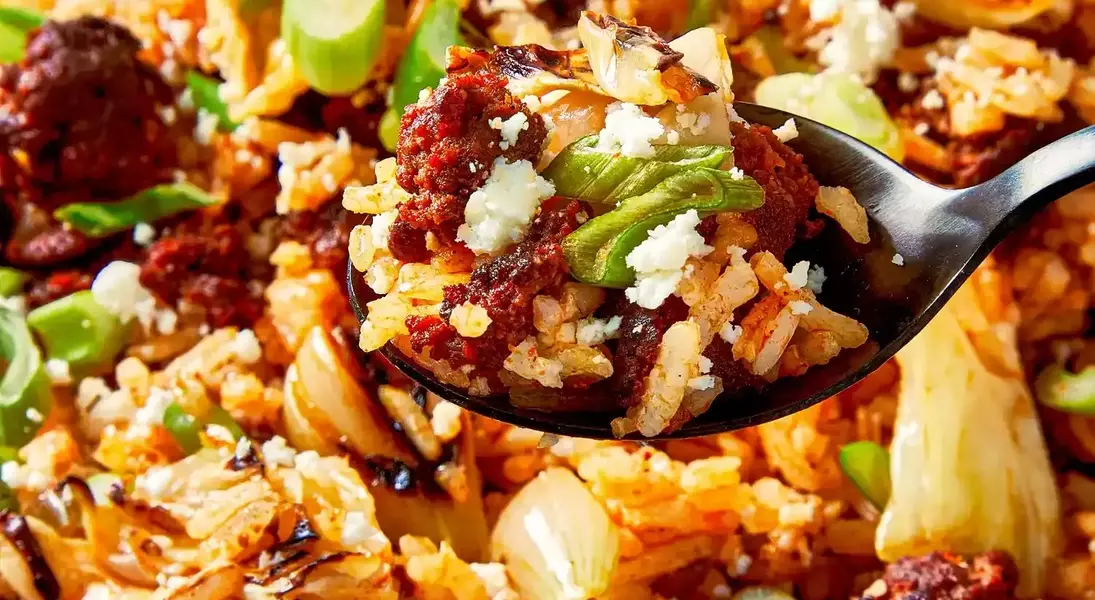
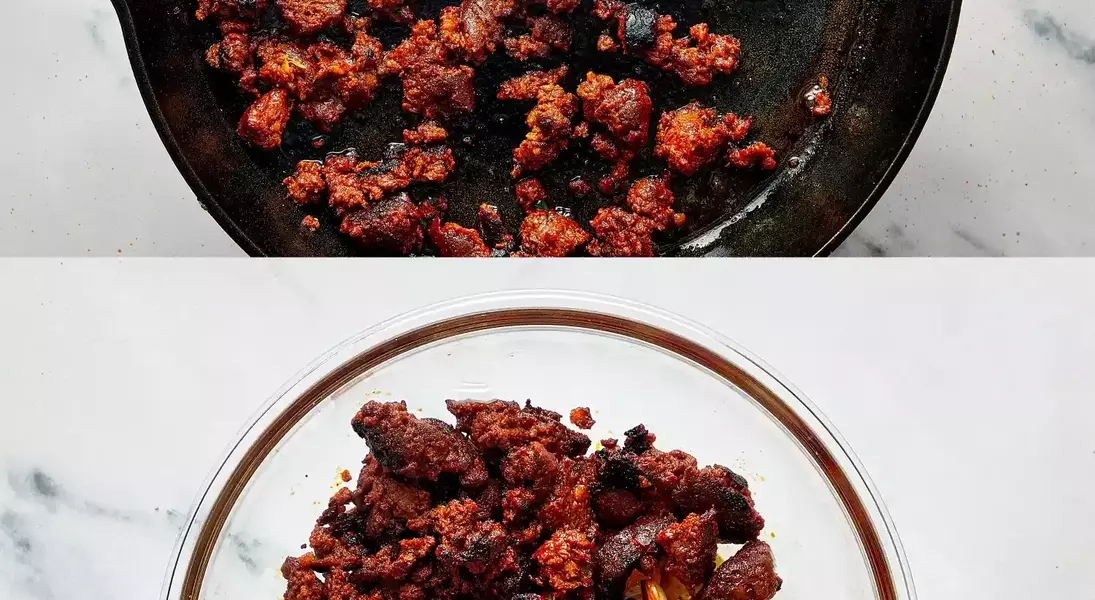
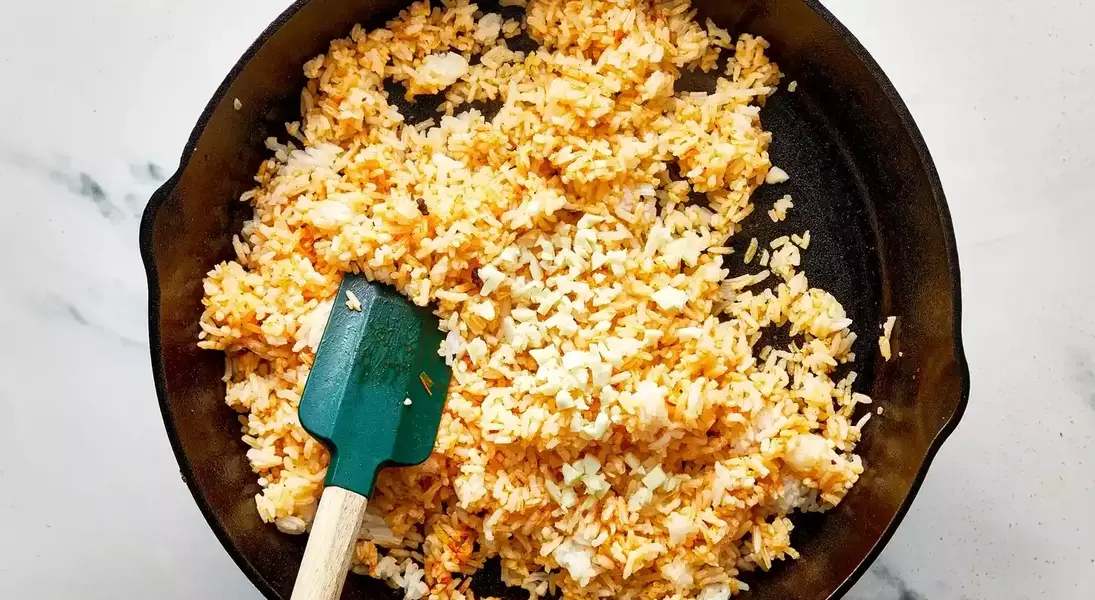
The choice of fresh Mexican chorizo is central to the dish's rich taste. This loose, raw ground meat is a powerhouse of flavor, imparting warm spices and a deep, meaty character without the need for extensive additional seasoning. It's important to differentiate this from cured Spanish chorizo; fresh Mexican chorizo, ideally sourced from a Latin American butcher, crisps up beautifully and delivers a brighter, more pork-forward flavor. The rendered fat from the chorizo is then utilized as the cooking medium for the rice, ensuring every grain is imbued with savory, spiced notes. Achieving a crisp texture for the chorizo is key, as it provides a welcome crunch against the soft rice.
The pickled jalapeños are the unsung heroes, providing a vital hot and sour counterpoint. They cut through the richness of the pork and cheese with their bright, vinegary tang and a gentle heat that invigorates the entire dish. The pickling liquid, infused with the essence of the chiles and spices, acts as a secret ingredient. Just a tablespoon is enough to enhance the other flavors without overwhelming them. For those looking to experiment, other pickled chiles can be used, with adjustments made for their intensity. A final squeeze of fresh lime juice further brightens the dish, harmonizing with its tangy and spicy profile.
This reimagined fried rice, a fusion of culinary traditions, offers a delightful and satisfying meal. By skillfully balancing smoky notes, savory depth from chorizo, and the bright, piquant kick of pickled jalapeños, the dish achieves a complexity that belies its simple preparation. It stands as a testament to creative cooking, transforming everyday ingredients into an exciting and flavorful experience.
