
In the vast and ever-evolving universe of Massively Multiplayer Online games, the concept of achieving perfect class equilibrium has long been pursued by developers and championed by a segment of players. However, this pursuit, while seemingly fair, might inadvertently strip away some of the inherent charm and strategic depth that define these virtual worlds. A closer look at titles like "Final Fantasy 14" and "World of Warcraft" reveals that intentional, well-managed disparities among classes can, in fact, enrich the player experience, fostering a sense of unique contribution and dynamic community engagement that a perfectly balanced ecosystem might lack.
Delving Deeper: The Unbalanced Advantage
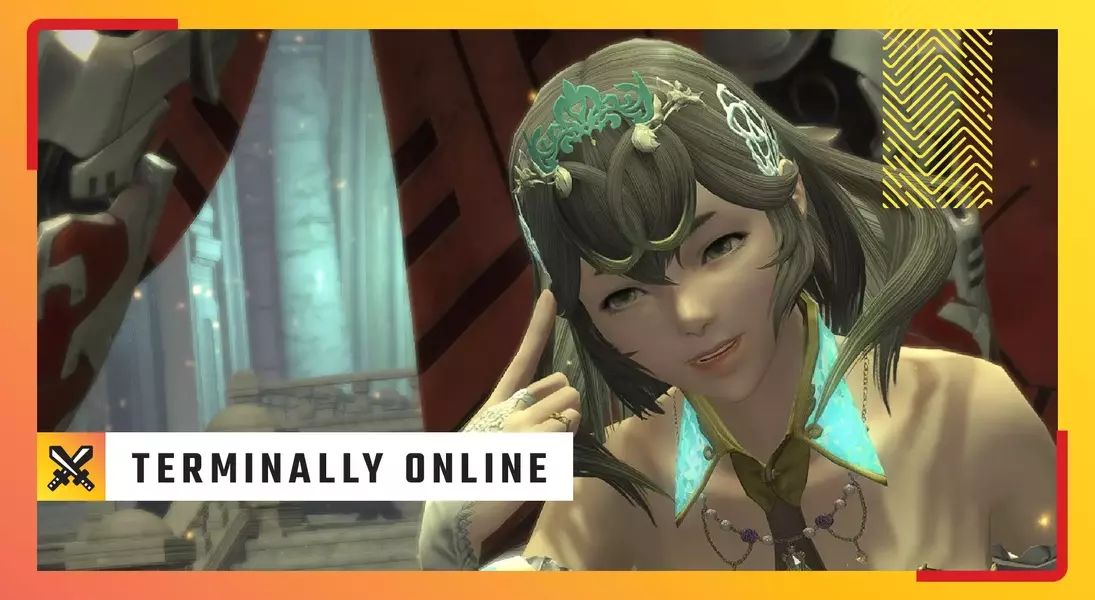
Recent discussions surrounding the upcoming "Evercold" expansion for "Final Fantasy 14" have brought this debate to the forefront. Game designer Hikaru Tamaki hinted at significant changes for the Dragoon class, including a potential 90% damage reduction buff with its new "Sky High" action. This prospective shift stands in stark contrast to FF14's long-standing reputation for near-perfect job balance, where differences in damage output between classes were often marginal. While this meticulous balancing previously earned praise, it also led to criticisms of homogenization, with tanks, healers, and damage dealers often feeling interchangeable.
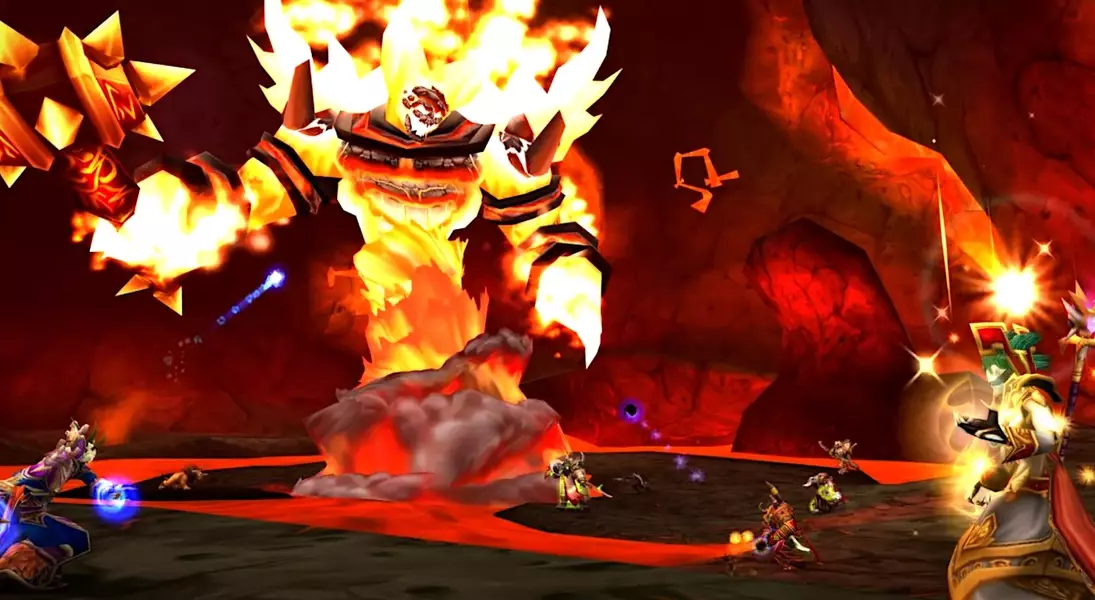
This prompts a crucial question: What is the true cost of perfect balance? In a player-versus-environment context, the social fabric of an MMO relies on cooperation and diverse contributions. When classes become too similar, the incentive to form varied groups diminishes, and the satisfaction of mastering a unique playstyle can wane. Players might feel discouraged if their efforts to master a particular class are overshadowed by an equally powerful, yet mechanically simpler, alternative. The enduring popularity of classic "World of Warcraft" servers, where distinct class utilities and even eccentric build requirements (like Feral druids grinding for "Manual Crowd Pummelers") were common, further illustrates this point. Similarly, the decline of "Star Wars: Galaxies" after attempting to streamline its diverse profession system serves as a cautionary tale: sometimes, eccentricity is a virtue.
The essence of an MMO lies in creating a vibrant world where individual characters feel special and their unique contributions are valued. Early "World of Warcraft" epitomized this, with hunters capable of kiting raid bosses, rogues opening shortcuts in dungeons, and warlocks summoning allies across continents. While modern iterations of WoW still retain some of these elements, their significance has diminished in a streamlined, efficiency-focused environment. "City of Heroes" offers an even more granular example, where specific "powerset" choices dramatically altered a character's team utility, making certain builds indispensable for particular challenges, even if they were less effective alone.
The fear, of course, is that intentional imbalances could render certain classes obsolete in high-end content, forcing players into constant respecs or gear farming. However, if these imbalances are thoughtfully designed and communicated, and if games offer mechanisms to mitigate the grind, the benefits could outweigh the drawbacks. "Final Fantasy 14's" "Evercold" expansion, for instance, introduces a "sync" feature that allows players to quickly adjust their item level when switching jobs, making it easier to adapt to varied encounter requirements without an exhaustive grind. This approach acknowledges that while specialization has its rewards, flexibility is also crucial.
Ultimately, developers, armed with modern design insights and reactive balancing tools, can craft a "purposefully imbalanced" template that mirrors the compelling friction of older MMOs while avoiding their accidental pitfalls. By allowing classes to truly excel in specific niches, requiring players to collaborate and strategize around diverse strengths, MMOs can cultivate a deeper sense of identity, value, and community. This strategic imperfection could very well be the key to fostering a more engaging and enduring experience for modern audiences, provided new MMOs can overcome the inherent challenges of development and launch.
