Hummus, a deceptively simple yet profoundly flavorful dish, is a staple in many cuisines, particularly in the Middle East. While its preparation might seem straightforward, achieving the perfect balance of creamy texture and rich taste is an art form that inspires passionate debate among culinary enthusiasts. This guide delves into the historical roots of hummus, explores the essential components of tahini and chickpeas, and provides practical, easy-to-follow tips for crafting an effortlessly delicious batch right in your kitchen.
The Culinary Heritage and Craft of Hummus B'Tahini
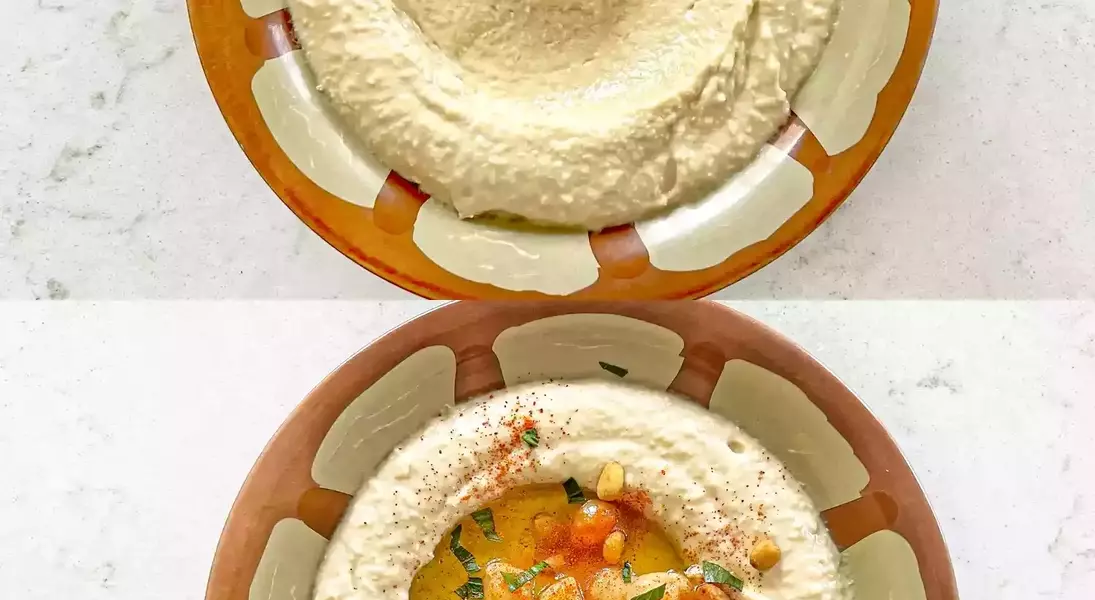
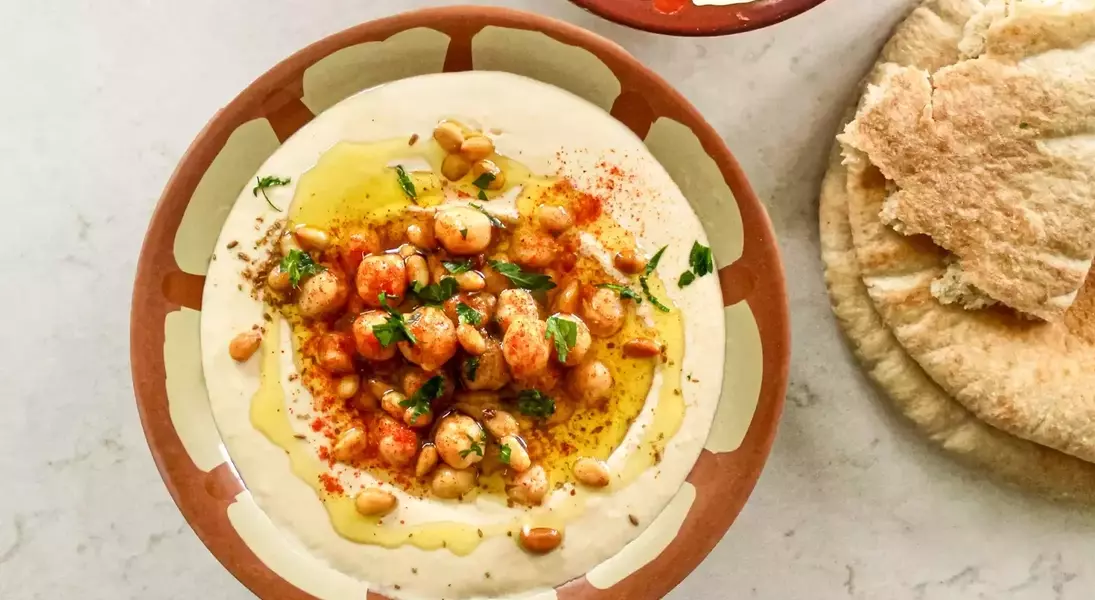
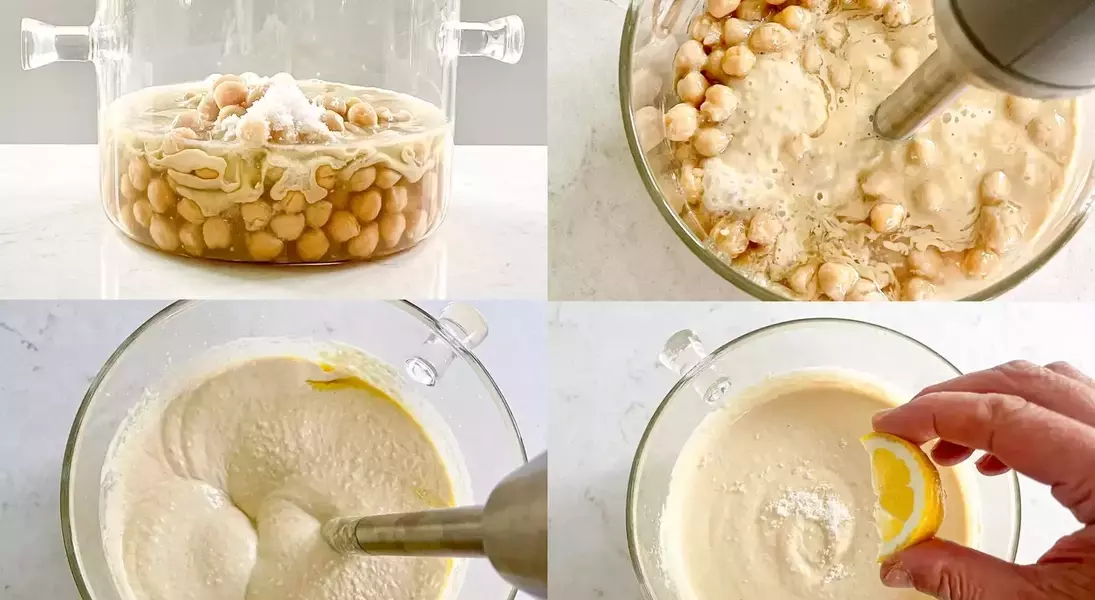
In April 2024, a renewed focus on the beloved Middle Eastern spread, hummus b'tahini, brought forth insightful details into its origins and optimal preparation. The journey of hummus begins with its two foundational ingredients: chickpeas and tahini. The term "hummus" itself is Arabic for chickpea, and when combined with "b'tahini" (with tahini), it forms the full name of this iconic dip. Tahini, a paste derived from ground sesame seeds, can vary in flavor depending on whether the seeds are hulled, unhulled, roasted, or unroasted. Historical records trace tahini back to a 10th-century cookbook from Baghdad, where it was primarily used as a spread or in baked goods. Today, Ethiopian sesame seeds are often lauded for their quality due to favorable growing conditions, though the milling process and freshness are equally crucial for superior tahini. For best results, seek out Lebanese or Palestinian tahini, ensuring it contains only sesame seeds without additives, and assess its quality by its pleasant, non-bitter taste. The chickpea, with its ancient roots in the Fertile Crescent dating back to 10,000 BCE, eventually found its perfect partner in tahini. One of the earliest documented recipes combining these two ingredients appears in a 13th-century Syrian cookbook, suggesting a basic preparation topped with a tahini-vinegar mixture, walnuts, and lemon juice. The essence of this dish lies in transforming these modest ingredients into a fulfilling and delightful spread. Culinary expert Mai Kakish, through extensive experimentation, has streamlined the hummus-making process to just ten minutes using jarred chickpeas and an immersion blender, emphasizing that while tradition holds its place, modern convenience can still yield an exceptional product. The key takeaways for an ideal hummus include using good-quality jarred chickpeas to save time, thoroughly cooking dried chickpeas until they're nearly falling apart (with a touch of baking soda to aid softness), and using an immersion blender for smaller batches to achieve a cohesive, emulsified texture without the risks associated with food processors. The simplicity of lemon and salt is often preferred to allow the natural flavors to shine, though cumin is a popular addition. It's advisable to omit garlic if the hummus isn't consumed immediately, as its compounds can lead to an undesirable aroma. Served in a shallow bowl with a drizzle of olive oil and optional garnishes like pine nuts, parsley, or paprika, hummus b'tahini remains a versatile and cherished dish.
This exploration into hummus making reveals that while traditional methods are revered, practicality and personal preference can guide you to a equally satisfying outcome. The journey from humble ingredients to a creamy, flavorful dip underscores the idea that culinary excellence isn't always about complex techniques, but rather understanding the core components and adapting the process to suit your lifestyle. Ultimately, the best hummus is the one you enjoy most, prepared with a touch of understanding and a lot of heart.
