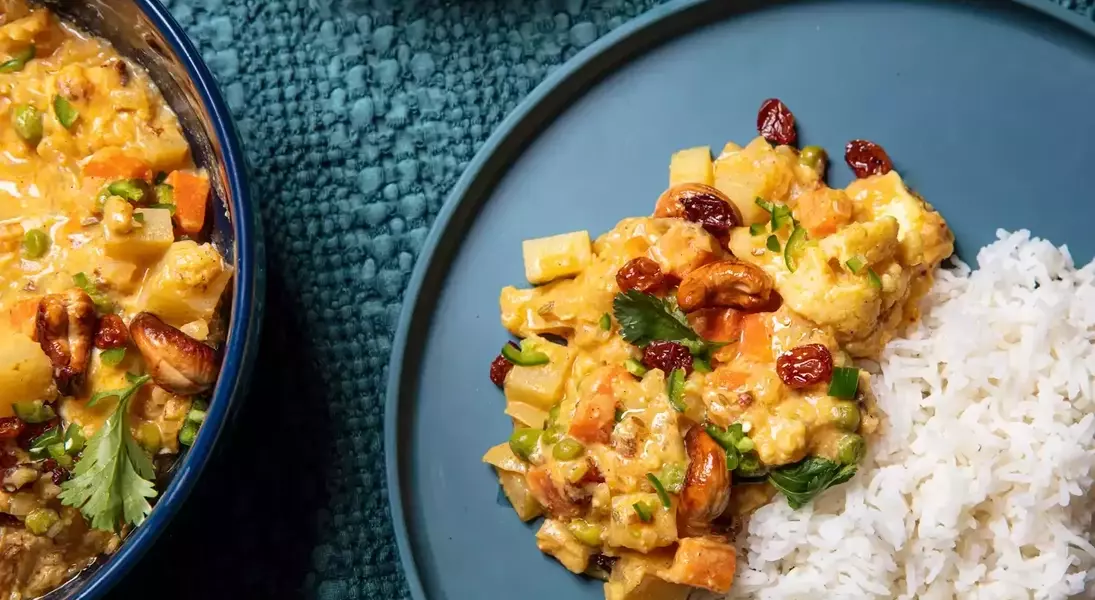
For many global food enthusiasts, a meal feels incomplete without the inclusion of rice. In the vibrant culinary landscapes of Southeast Asia, the fragrant jasmine rice evokes a profound sense of home and comfort. Meanwhile, in the rich gastronomic traditions of South Asia and the Middle East, the elegant, elongated grains of basmati rice are an essential presence at the dining table.
The Aromatic Grains: Basmati vs. Jasmine Rice
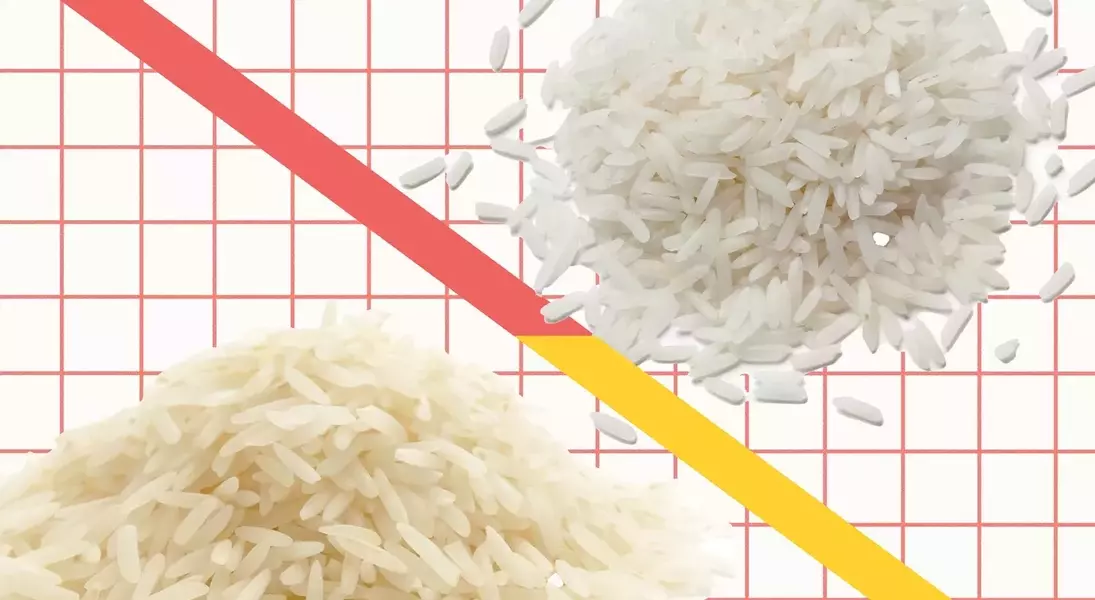
Basmati and jasmine rice, both renowned for their aromatic qualities and long grains, are foundational ingredients in diverse cuisines worldwide. Despite sharing these broad classifications, their specific flavors, fragrant profiles, textures, and culinary applications exhibit notable differences. These distinctions often dictate which variety is best suited for a particular dish, though their adaptability is such that both can often complement a wide array of meals. Insights from Brita Lundberg of Lundberg Family Farms, Chef Priyanka Naik, and Thai cooking instructor Pranee Khruasanit Halvorsen shed light on the unique attributes of these cherished rice types.
These two prominent rice varieties share common ancestry from the Asian rice plant, Oryza sativa, specifically belonging to the Indica subspecies, known for its long-grain, non-sticky characteristics. However, their similarities largely end there. Several key differences influence their use in the kitchen.
Origins and Cultivation
Basmati rice traces its roots to the Indian subcontinent, primarily cultivated in India and Pakistan. In contrast, jasmine rice originated in Thailand. While American states like California, Arkansas, and Louisiana grow basmati and jasmine-type varieties, the unique environmental conditions of the Indian subcontinent make authentic basmati virtually impossible to replicate elsewhere. Currently, there are no strict designation of origin rules for these rice types, leading to the development of various hybrid strains such as California basmati and Texmati in the US.
Traditional cultivation practices also differ. In India and Thailand, rice seedlings are typically nurtured in nurseries before being manually transplanted. American farmers, however, directly sow seeds into fields. This difference in cultivation, along with environmental factors, impacts the rice’s characteristics. For instance, imported basmati is known to significantly lengthen during cooking, a trait less pronounced in most domestically grown basmati. Similarly, not all domestic jasmine rice possesses the same aromatic intensity as its imported counterparts.
Aroma and Flavor Profiles
Both basmati and jasmine rice are prized for their captivating aromas that permeate the kitchen during cooking. Jasmine rice is celebrated for its delicate, floral fragrance, accompanied by a sweet and buttery taste. Basmati, on the other hand, releases a distinct nutty, popcorn-like scent and offers a subtle nutty flavor.
Structural Composition and Texture
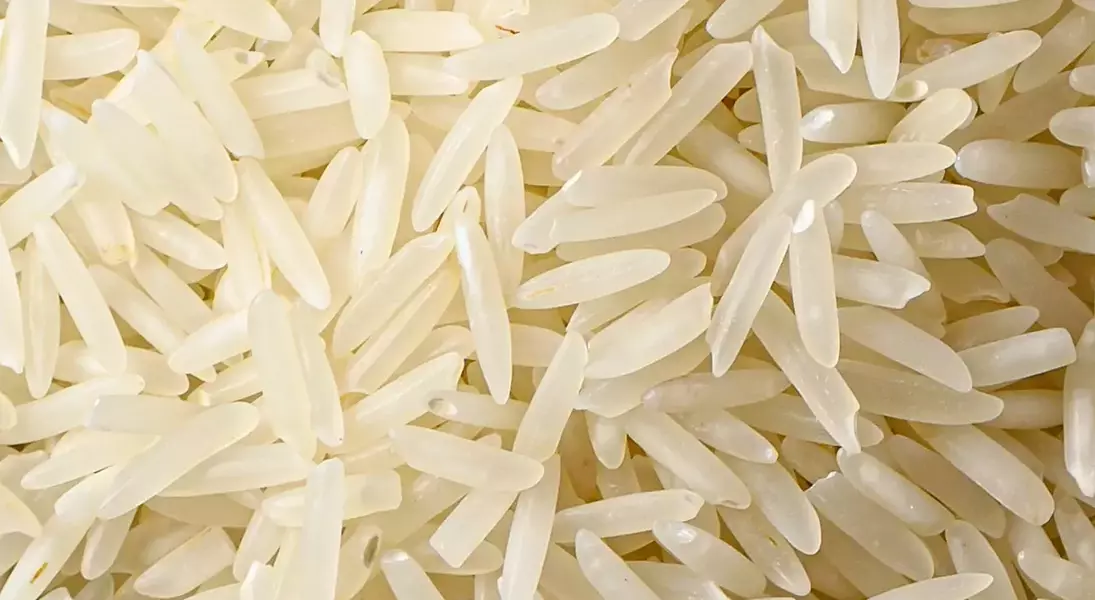
The texture of cooked rice is largely determined by its starch components: amylose and amylopectin. Amylose, a straight-chain glucose molecule, helps rice grains maintain their shape and distinctness. Amylopectin, a branched structure, contributes to stickiness and cohesion. Basmati rice boasts a higher amylose-to-amylopectin ratio, resulting in firm, separate grains that elongate significantly when cooked—often doubling in size. This makes it perfect for dishes like biryani and rice salads, where distinct grain separation is desired.
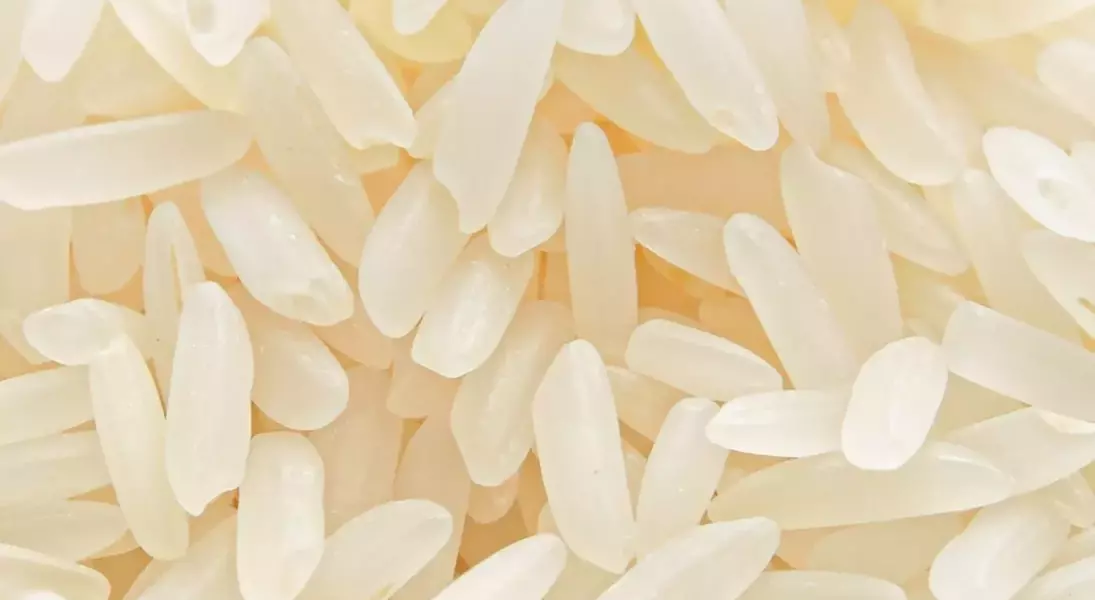
Jasmine rice contains a comparatively lower amylose-to-amylopectin ratio. Its grains are slightly shorter and more rounded when raw, and once cooked, they become soft, moist, and tend to cling together. This inherent stickiness makes jasmine rice ideal for fried rice or as an accompaniment to saucy curries and stir-fries.
Optimal Preparation Techniques
Both rice varieties can be prepared on a stovetop. However, rice cookers are generally more suitable for jasmine rice, as basmati often achieves its optimal fluffiness and elongation when cooked on the stove. Traditional Persian tahdig, a crispy rice dish, relies heavily on the stovetop cooking method to achieve its characteristic texture with basmati rice.
Regardless of the variety, it is crucial to rinse rice thoroughly before cooking until the water runs clear. This process removes excess starch, contributing to a fluffier texture and more distinct grains. Basmati rice benefits from a 30-minute soak before cooking, allowing the kernels to hydrate and elongate uniformly. It is typically cooked with a rice-to-water ratio of 1:1 or 1:2 for about 20 to 25 minutes, depending on desired softness. Jasmine rice usually requires a 1:1.5 rice-to-water ratio and cooks in 15 to 20 minutes.
Traditional Culinary Uses
Basmati rice is deeply embedded in Indian and other South Asian cuisines, and it also features prominently in many Middle Eastern dishes, including Persian and Armenian fare. It complements rich, flavorful preparations such as khadkhadi (coconut-tamarind shrimp), fesenjān (Persian meat braise), and vegetable qorma. Chef Naik notes that in Southern Indian family meals, basmati rice is a staple, often served alongside a variety of vegetable, bean, and soupy dishes, sometimes with flatbreads.
Basmati's excellent flavor absorption and fluffy texture make it superb for infused rice dishes like pilaf, pulao, yogurt rice, and biryani. In Southern India, rice-centric dishes frequently involve sautéing basmati with nuts, aromatics, and spices such as peppercorns, cinnamon sticks, and turmeric.
Jasmine rice is central to Thai cuisine, serving as a primary component in meals alongside curries, soups, and stir-fries. Traditionally, it is reserved for special occasions and impressive meals, as its refined character enhances the dining experience. While suitable for quick dishes like fried rice or as a lunch accompaniment with vegetables and salted fish, other long-grain rice varieties could also suffice in these less formal contexts.
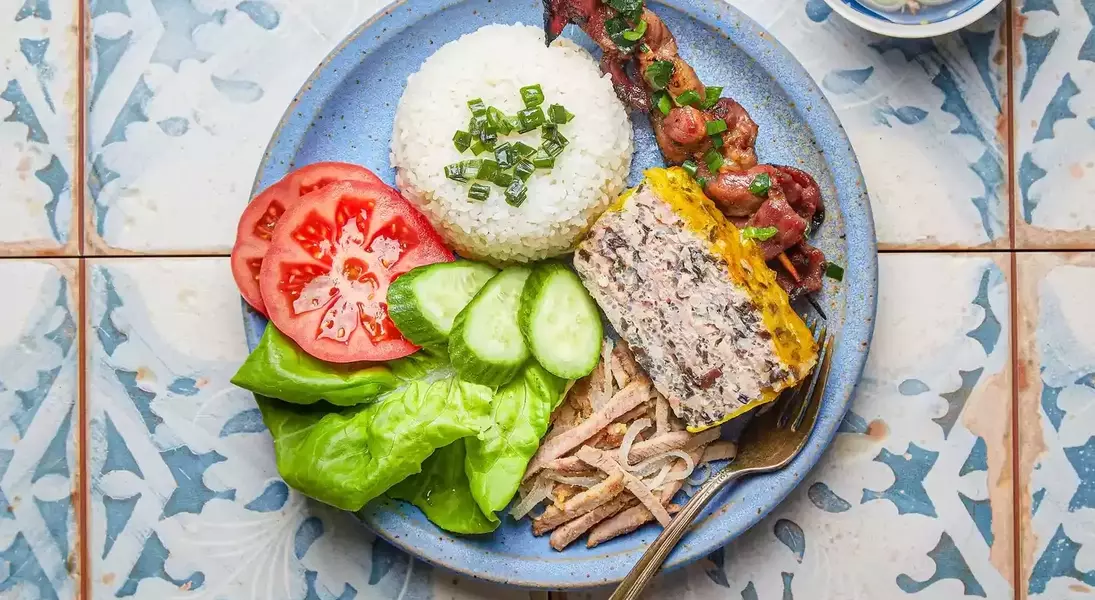
Beyond Thailand, jasmine rice is indispensable in many Southeast Asian cuisines, including those of Vietnam, Laos, Cambodia, and the Philippines. It pairs wonderfully with dishes like bak kut teh (Malaysian pork rib soup), cơm tấm (Vietnamese broken rice), and cha kreung satch moan (Cambodian lemongrass chicken stir-fry).
Interchangeability of Basmati and Jasmine Rice
While some culinary purists might hesitate to substitute one for the other, experts like Lundberg suggest that basmati and jasmine rice are more similar than different, making substitutions acceptable in a pinch. It is generally advisable to follow the rice type specified in a recipe or cuisine. However, if only one variety is available, it can often be used successfully, particularly in many Asian dishes, according to Chef Naik, who even incorporates basmati into some Mexican recipes.
Nevertheless, for certain dishes, swapping them can significantly alter the outcome. For instance, jasmine rice’s stickiness makes it unsuitable for biryani, where distinct grains are paramount. Conversely, basmati’s firm texture would not achieve the desired porridge-like consistency for congee. Halvorsen emphasizes that for premium aromatic rices, using them correctly—pairing jasmine with Thai curry or basmati with Indian curry—ensures the full flavor experience, as their differing textures and fragrances are integral to their respective traditional pairings.
Basmati and jasmine rice, while both celebrated aromatic long-grain varieties, bring unique qualities to the culinary table. Jasmine rice captivates with its delicate floral fragrance and sweet notes, whereas basmati enchants with a rich, nutty flavor and aroma. Jasmine rice also tends to be softer and stickier, contrasting with basmati’s fluffier texture and distinct, individual grains when cooked. While adhering to recipe recommendations is ideal, both varieties can be enjoyed in various dishes, offering a delightful sensory experience.
The subtle yet profound differences between basmati and jasmine rice highlight the importance of understanding their unique characteristics in cooking. From their distinct origins and cultivation methods to their varied aromatic profiles and textures, each rice variety plays a crucial role in shaping the identity of global cuisines. As home cooks and culinary enthusiasts, appreciating these nuances allows us to make more informed choices, ensuring that every meal is not just sustenance, but a rich, aromatic experience that celebrates the diversity of food cultures. Experimentation is encouraged, but mindful consideration of tradition and desired texture will always yield the most satisfying results.
