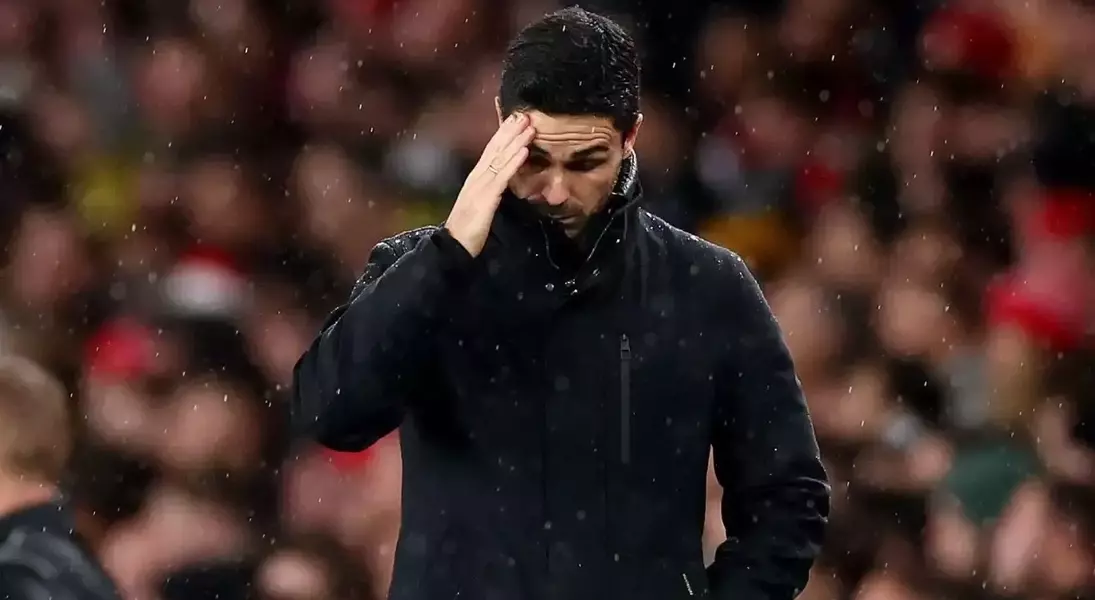
The prevalent narrative suggesting that Arsenal manager Mikel Arteta's tenure hinges solely on winning the Premier League title this season is a viewpoint that merits deeper examination. This perspective overlooks numerous complexities inherent in top-flight football management and the broader competitive environment. Success in the Premier League is a multifaceted achievement, influenced by historical club performance, financial capabilities, strategic investments, and the unpredictable dynamics of player form and external factors. Evaluating a manager's performance solely on winning the league disregards the significant progress and consistency a team might exhibit.
The discussion around Arsenal's title aspirations often draws comparisons to their historical achievements. While Arsenal has a rich legacy, with 13 league titles, their last triumph was in the 2003-2004 season, two decades ago. This historical context suggests that consistent title wins haven't been a recent pattern for the club. In contrast, teams like Manchester United and Liverpool boast more overall league titles, while Manchester City has seen a meteoric rise fueled by substantial investment. This landscape underscores the immense challenge of winning the Premier League, making the expectation for Arsenal to secure the title an arduous one, especially considering the financial powerhouses they compete against. Despite this, Arsenal's consistent top-two finishes in recent seasons highlight a significant improvement under Arteta's guidance, positioning them as serious contenders.
Financial considerations play a crucial role in shaping a club's ambitions and competitive edge. In the 2023/24 season, Manchester City led in revenue, followed by Manchester United, Liverpool, and Arsenal, respectively. While revenue figures offer a glimpse into a club's financial health, they don't fully reveal the intricacies of net spend or available transfer funds. For instance, Chelsea, despite ranking lower in revenue among the top clubs, has been aggressive in player acquisitions. Arsenal, on the other hand, is noted for a more measured approach to transfers, aiming for sensible deals rather than overpaying, as exemplified by their cautious pursuit of Viktor Gyokeres. This financial prudence, while commendable, sometimes puts them at a disadvantage when competing for high-profile players.
The pressure on managers to deliver silverware is immense, but adopting a "revolving door" policy for managers based solely on title wins can be detrimental to long-term club stability and development. The commitment shown by Arsenal's board to Arteta, much like Newcastle's backing of Eddie Howe, reflects a belief in their long-term vision and game plan. This stability is vital for building a cohesive team and implementing a consistent strategy. Furthermore, the perception of a manager's tactics, such as time-wasting, often varies depending on the manager in question. What might be deemed a tactical masterstroke for one could be criticized as "dark arts" for another, highlighting the subjective nature of football commentary.
Looking ahead to the upcoming season, the competitive landscape remains intense. Liverpool faces its own set of challenges, particularly regarding key player longevity and the integration of new signings. The potential "drop-off" from seasoned players like Mohamed Salah and Virgil van Dijk, coupled with the unpredictable impact of player injuries, introduces significant variables for Liverpool's campaign. Meanwhile, the transfer market continues to be a battleground, with clubs vying for top talent. Arsenal's approach to securing a new striker, whether through established names or by taking a chance on unproven talent from less prominent leagues, will be crucial. The women's game also showcased competitive spirit and tactical play, albeit with some controversial refereeing decisions, indicating the evolving dynamics across all levels of football.
Ultimately, judging Arsenal's season and Arteta's leadership extends beyond a simple win-or-be-sacked ultimatum. The journey involves building a resilient squad, demonstrating consistent performance, and strategically navigating the demanding Premier League environment. The progress made by Arsenal in recent years, consistently challenging for top honors, signifies a positive trajectory that should not be overshadowed by an all-or-nothing expectation. The club's financial strategy, transfer dealings, and the unwavering support for their manager are all integral components of their ongoing evolution and their quest for sustained success in English football.
