Arsenal's recent victory over Manchester United, despite securing crucial points, brought to light a fascinating paradox: triumph mixed with critical self-reflection. Under Mikel Arteta's leadership, the team's standards have risen to a point where a hard-fought away win can still lead to detailed analysis and stylistic critique. This indicates a deep commitment to continuous improvement, a clear sign of ambition within the squad. However, the match also highlighted areas where Arsenal's offensive transitions lacked the desired potency, particularly in exploiting opportunities created by defensive turnovers.
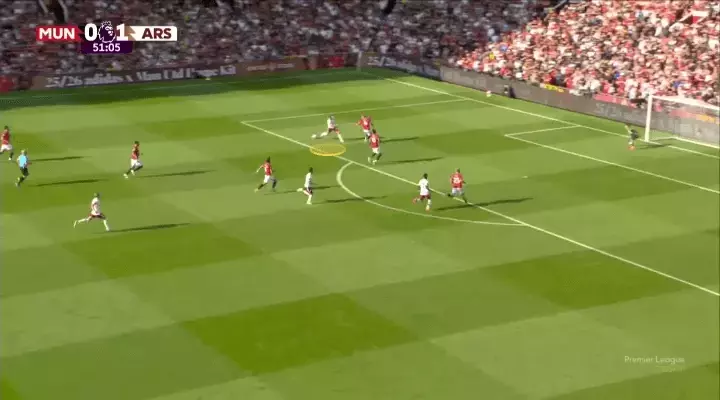
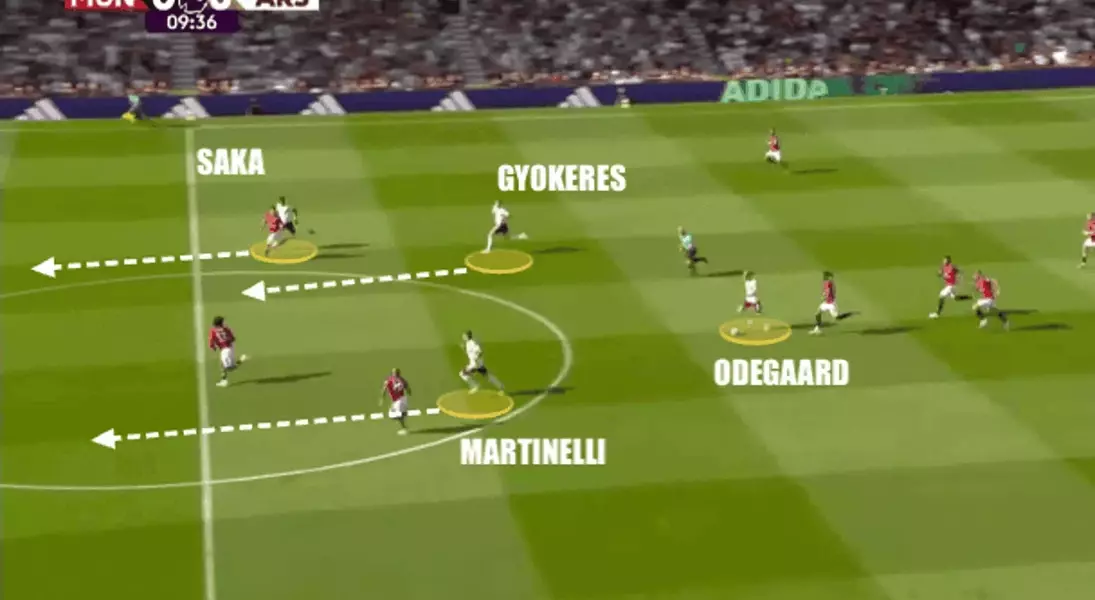
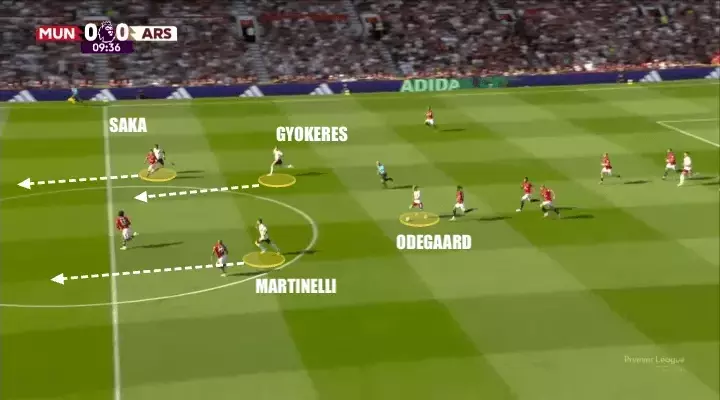
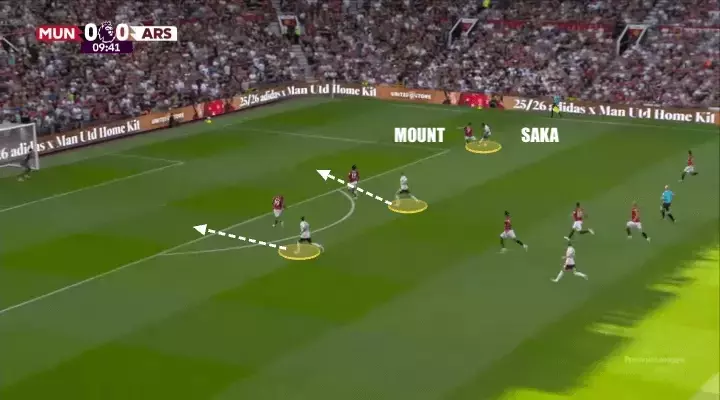
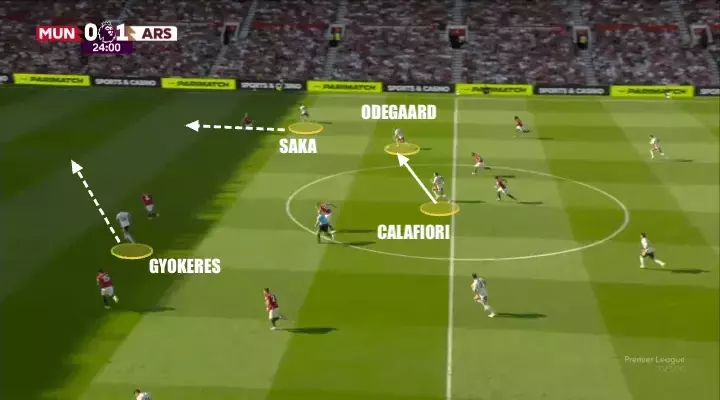
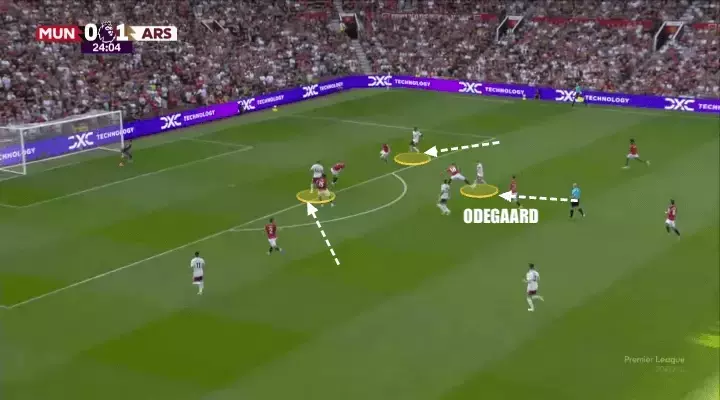
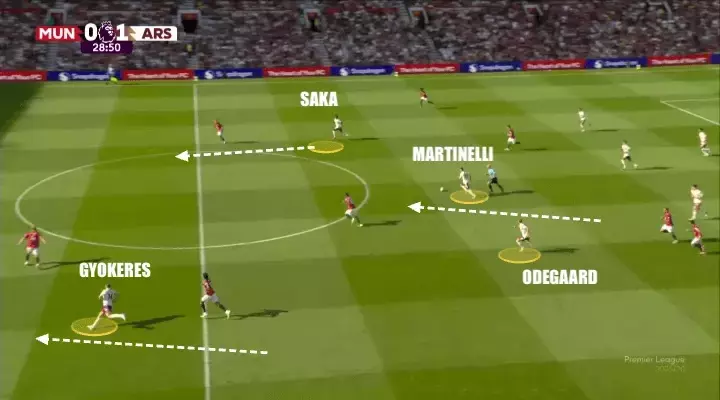
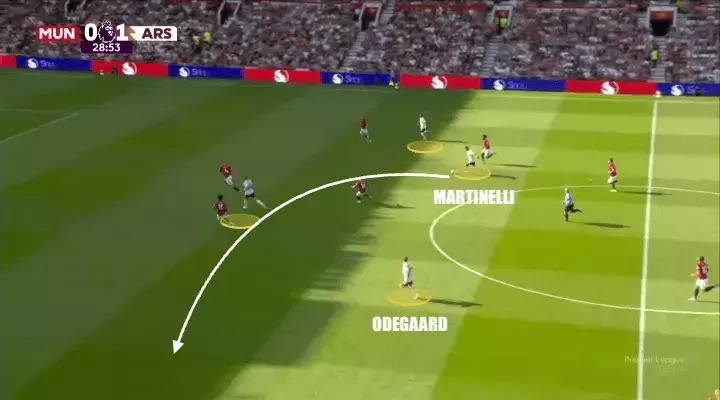
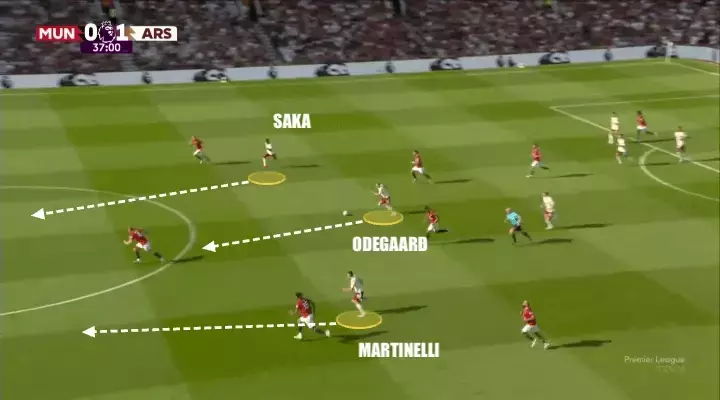
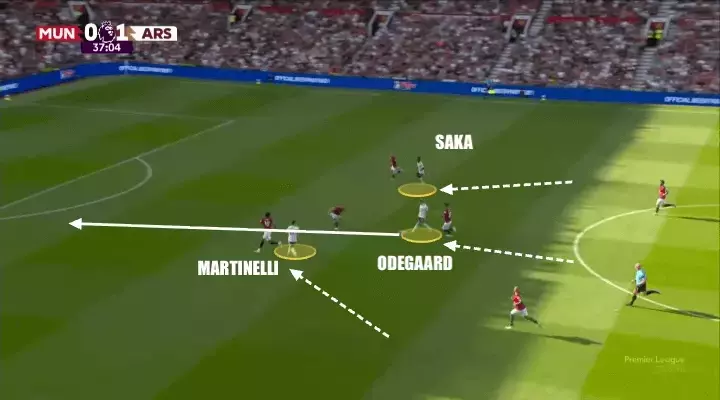
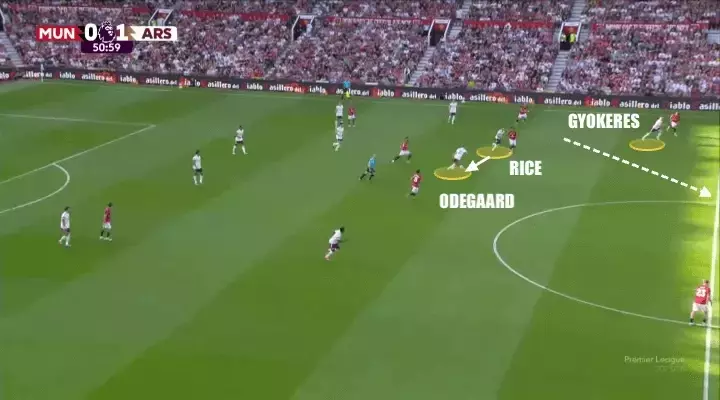
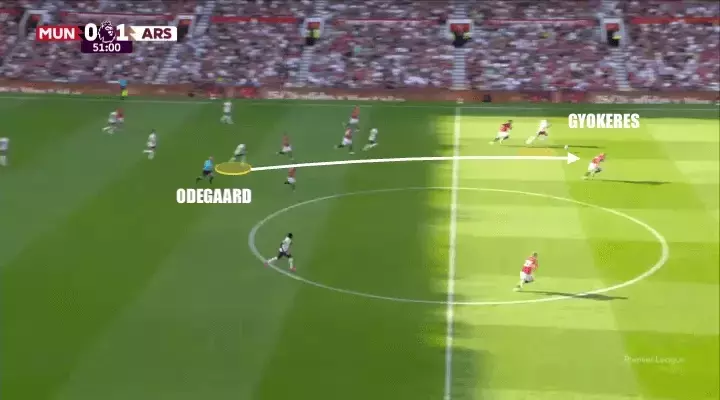
A key area of focus for Arsenal's development revolves around integrating new striker Viktor Gyokeres and adapting to a potentially more direct, transitional style of play. While the team demonstrated commendable defensive solidity, offensive execution, especially in counter-attacking scenarios, was notably inefficient. Multiple instances during the game showcased Arsenal's struggle to translate promising turnovers into clear-cut scoring chances, often due to congested attacking runs, imprecise passing, or hesitation in decision-making. This suggests that while the intent to play a more transitional game is present, the cohesion and ruthlessness required for such a system are still very much under construction. The collective effort to improve in these areas will be crucial for Arsenal's progression.
Ultimately, Arsenal's journey reflects the continuous pursuit of excellence in sports. While immediate results are important, the introspection and commitment to refining their gameplay, especially in adapting to new player profiles and evolving tactical demands, embody a forward-thinking approach. This dedication to improvement, even after a victory, speaks volumes about the team's mentality and their aspiration to consistently compete at the highest level. By addressing these tactical nuances and enhancing their transitional play, Arsenal can unlock their full offensive potential and continue their ascent.
