
As the fresh Premier League season approaches, a fascinating aspect of team dynamics involves the allocation of squad numbers. These numbers, far from being mere identifiers, carry immense symbolic weight, reflecting player status, historical legacies, and strategic decisions. This comprehensive overview delves into the latest jersey assignments across the league, revealing how new arrivals, established stars, and youth academy graduates are making their mark, often sparking fan excitement and speculation. From coveted single-digit jerseys to numbers laden with club history, each change tells a unique story of ambition, transition, and the evolving landscape of English football's top flight.
Premier League Kit Roster: Decoding the Fresh Designations
In the vibrant summer of 2025, across the hallowed grounds of England's Premier League, a significant reshuffling of player jersey numbers has captivated fans and analysts alike. These changes, often a subtle yet profound indicator of a club's direction and player hierarchy, are now firmly in place as teams brace for the intensity of the new competitive year.
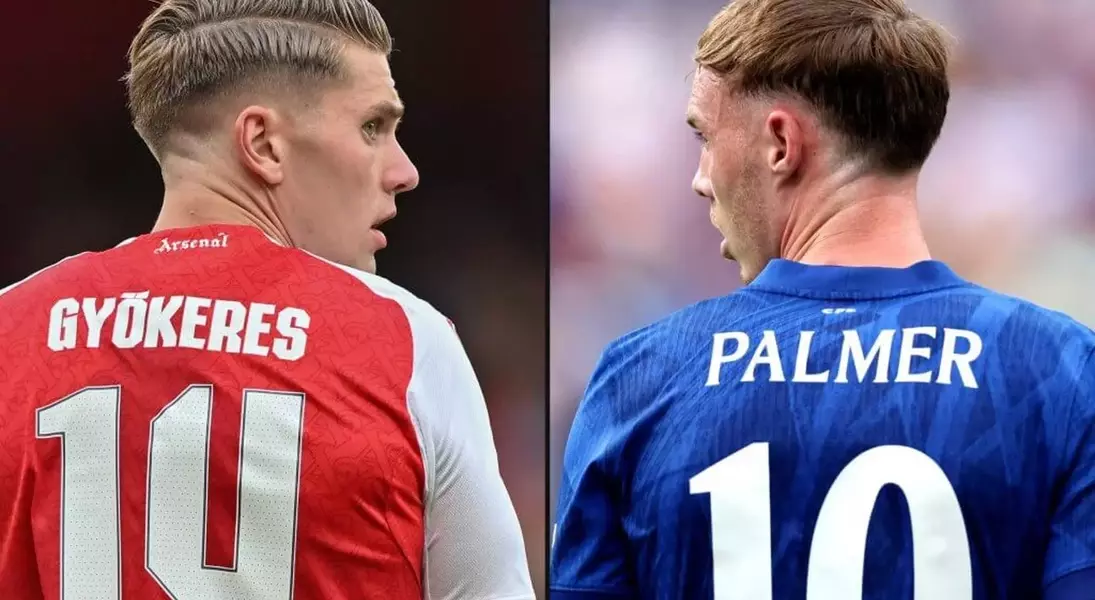
At the illustrious Arsenal, a major talking point revolves around the highly anticipated arrival of striker Viktor Gyokeres, who has proudly claimed the No. 14, a shirt famously donned by the legendary Thierry Henry. This bold choice immediately resonated with the Gunners' faithful, driving record-breaking jersey sales. Complementing this, David Raya has ascended to the coveted No. 1, while promising young talent Ethan Nwaneri inherits Raya's former No. 22. Myles Lewis-Skelly, another young prospect, opted to retain his No. 49, a number holding special significance for Arsenal supporters, commemorating the club's 'Invincibles' unbeaten streak.
For Aston Villa, consistency reigns, with minimal alterations to their squad numbers. The returning Emiliano Buendia, fresh from a loan spell, has reclaimed his No. 10 jersey, while youth academy graduates Jamaldeen Jimoh-Aloba and Triston Rowe have been assigned No. 56 and No. 45, respectively.
Bournemouth sees new central defender Bafode Diakite sporting No. 18, previously worn by Tyler Adams. Julian Araujo has secured the No. 2, vacated by Dean Huijsen, with Eli Kroupi stepping into Araujo's former No. 22. Goalkeeper Djordje Petrovic, a recent acquisition, now proudly wears the No. 1 following Neto's departure, and Adrien Truffert has taken over the No. 3.
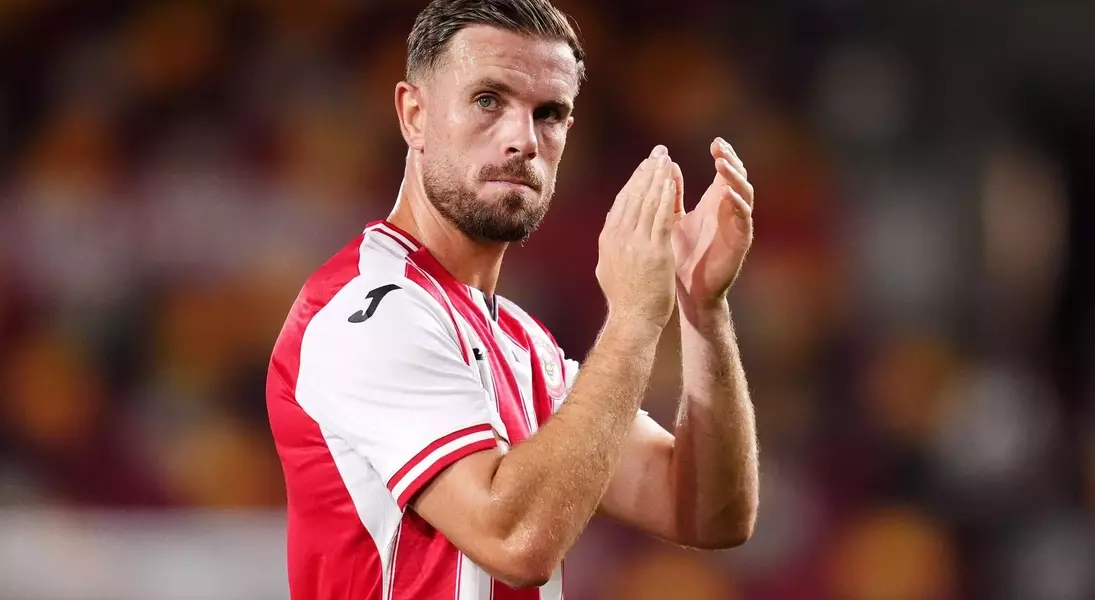
At Brentford, Caoimhin Kelleher assumes the No. 1 goalkeeper spot. A notable transfer sees Jordan Henderson embracing the No. 6, following Christian Norgaard's move. Nathan Collins retains his No. 22, the same number he wore during his time at Burnley. Antoni Milambo has been assigned No. 17, previously held by Ivan Toney.
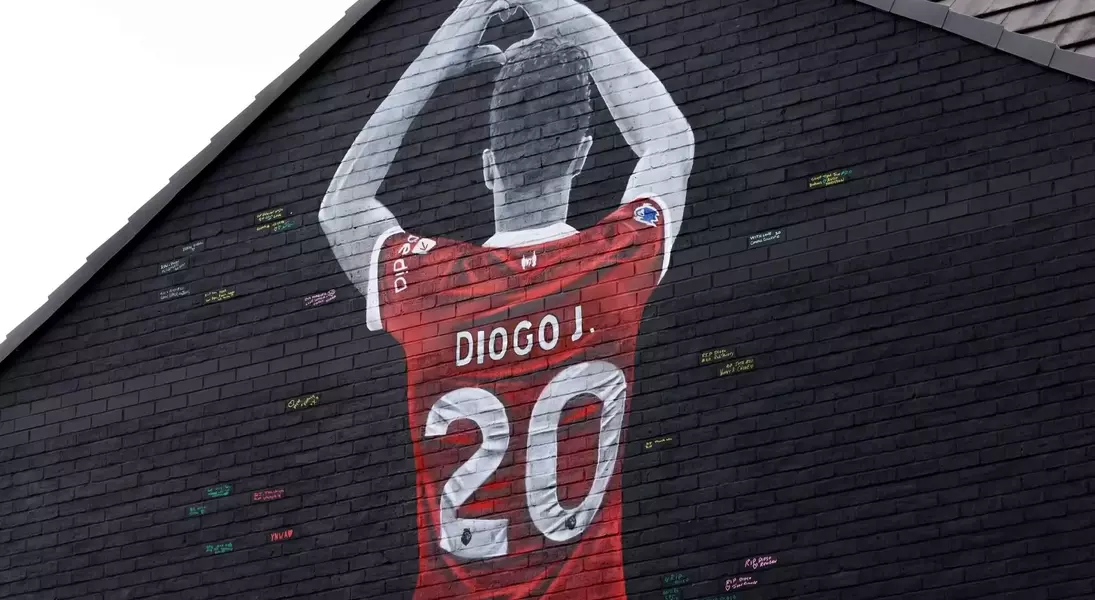
Brighton & Hove Albion witnesses a poignant change, as veteran James Milner switches from No. 6 to No. 20, a heartfelt tribute to the late Diogo Jota. Carlos Baleba transitions to No. 17, and Yankuba Minteh takes on the No. 11 jersey. January signing Stefanos Tzimas now wears No. 9, following Joao Pedro's transfer.
Burnley's key movements involve Marcus Edwards, now wearing the No. 10, and Lyle Foster, who has claimed the No. 9. New full-backs Kyle Walker and Quilindschy Hartman have been allocated No. 2 and No. 3, respectively, with Jacob Bruun Larsen assigned No. 7.
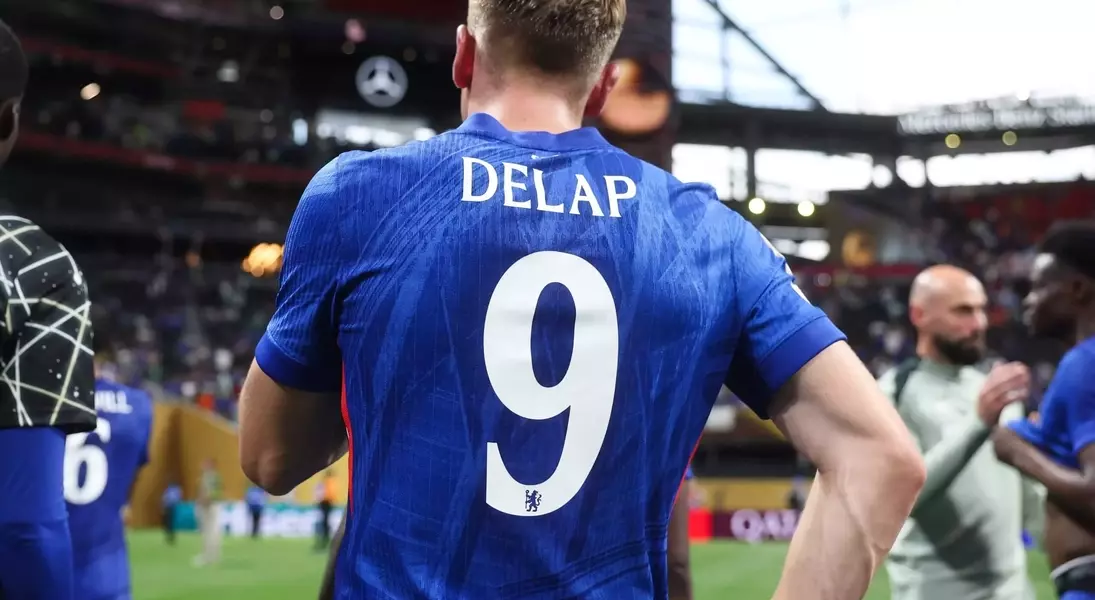
At the heart of London, Chelsea's most significant shift sees Cole Palmer taking the iconic No. 10, signaling the club's immense faith in his future. Joao Pedro assumes Palmer's previous No. 20. Intrepid new signing Liam Delap has boldly taken on the No. 9, a number often associated with pressure at Stamford Bridge. Jamie Gittens will wear No. 11, while Brazilian prodigy Estevao maintains his No. 41. Dario Essugo received No. 14, Andrey Santos No. 17, and Jorrel Hato No. 21.
Crystal Palace is yet to formally unveil their full squad numbers, though right-back Daniel Munoz has already transitioned from No. 12 to the No. 2, previously held by the long-serving Joel Ward.
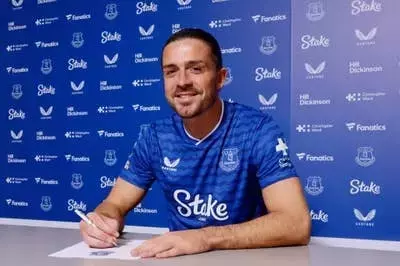
Everton's final squad numbers are pending, but pre-season glimpses offer insight. Vitalii Mykolenko has moved to his national team number, No. 16. The coveted No. 9 remains vacant following Dominic Calvert-Lewin's departure, with Beto donning it during friendlies. A highly anticipated move sees Jack Grealish selecting No. 18, a nod to his boyhood heroes Wayne Rooney and Paul Gascoigne.
Fulham's squad numbers largely remain consistent, with Bernd Leno retaining No. 1 and Rodrigo Muniz No. 9. Young academy talents Josh King and Seth Ridgeon have been assigned No. 24 and No. 38 respectively, hinting at their increased roles.
For Leeds United, while official numbers are awaited, Jack Harrison's decision to wear No. 38 in friendlies, his old No. 11 now occupied by Brenden Aaronson, points to an uncertain future. Gabriel Gudmundsson inherits No. 3, Sean Longstaff No. 8, and Lukas Nmecha No. 14. Lucas Perri and Illan Meslier have both worn No. 1 in pre-season matches, adding intrigue to the goalkeeping pecking order.
A deeply emotional change at Liverpool sees the No. 20 jersey, forever linked with the late Diogo Jota, being retired. Record signing Florian Wirtz now commands the No. 7, formerly worn by Luis Diaz. The No. 9 is now available, sparking considerable anticipation among fans. Milos Kerkez becomes the new No. 6, Hugo Ekitike takes No. 22, and Jeremie Frimpong is No. 30. Conor Bradley moves to No. 12, and Trey Nyoni to No. 42.
Manchester City's No. 1 jersey has been assigned to James Trafford, though Ederson retains his No. 31, suggesting the primary starting role remains unchanged. Dutch midfielder Tijjani Reijnders has taken over the No. 4, a number with historical significance at the club. Rayan Ait-Nouri now sports No. 21, and Rayan Cherki inherits the No. 10 after Grealish's departure. Young Nico O'Reilly has transitioned to No. 33, a number previously worn by club legend Vincent Kompany.
Manchester United has experienced a particularly dynamic summer regarding numbers. New left-back Diego Leon initially received No. 30, but this was later transferred to the more expensive Benjamin Sesko, who historically favors the number. Leon then took No. 35. Diogo Dalot has claimed the No. 2, reflecting his growing leadership role. Bryan Mbeumo wears No. 19, and Matheus Cunha now holds the No. 10. Youngster Chido Obi has been assigned No. 32, reminiscent of Carlos Tevez's time at the club.
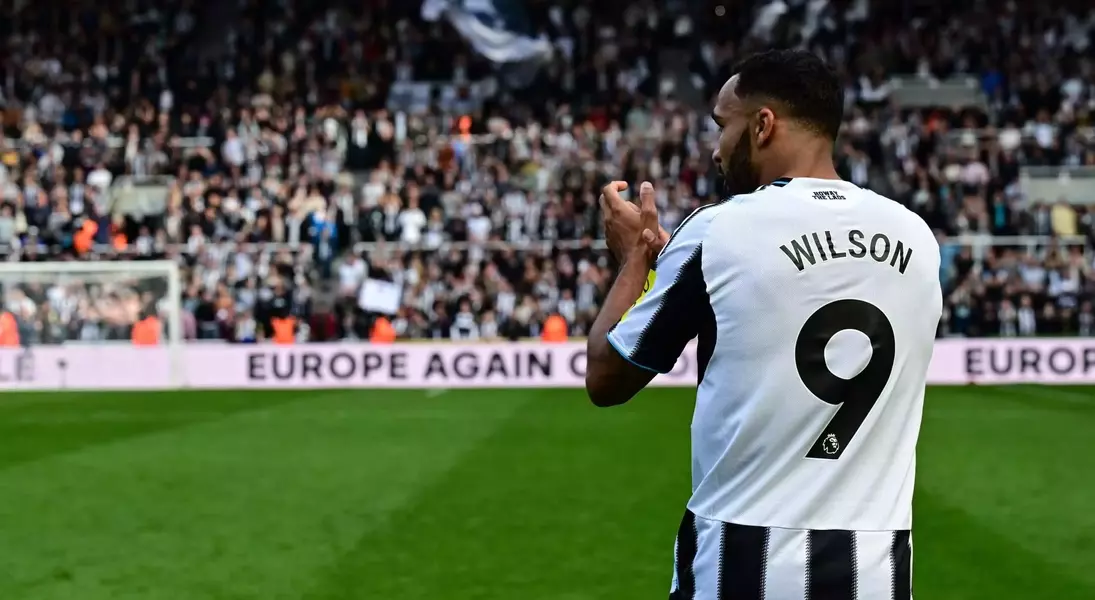
At Newcastle United, the glaring absence of a No. 9 shirt is a significant talking point, following Callum Wilson's departure. This void underscores the club's challenges in securing a prominent striker, with speculation surrounding Alexander Isak's future adding to the intrigue.
Nottingham Forest plans to finalize squad numbers after the transfer window closes, indicative of potential further recruitment. Neco Williams has embraced the No. 3, and Callum Hudson-Odoi takes No. 7, solidifying their positions. New signings like Jair Cunha (No. 23), Dan Ndoye (No. 14), and Igor Jesus (No. 19) have worn these numbers in pre-season, with Ndoye specifically requesting his.
Sunderland, undergoing a substantial squad overhaul, sees winger Chemsdine Talbi take the No. 7 jersey. On-loan Chelsea forward Marc Guiu has been assigned No. 9. Record signing Habib Diarra will wear No. 19, and the high-profile Granit Xhaka maintains his familiar No. 34. While Anthony Patterson retains No. 1, Robin Roefs is expected to be the primary goalkeeper.
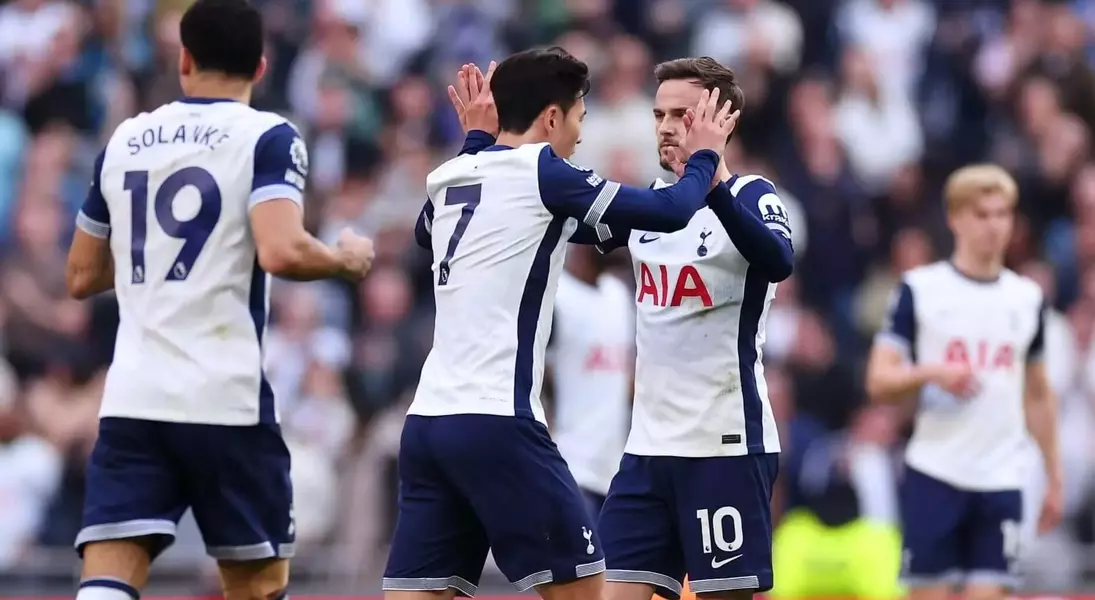
At Tottenham Hotspur, Radu Dragusin is the sole player to change numbers, moving from No. 6 to his international No. 3. This opens up his former No. 6 for new signing Joao Palhinha. Mohammed Kudus, while wearing No. 14 at his previous club, now sports No. 20 for Spurs. The departure of Son Heung-min has left the iconic No. 7 jersey vacant, creating a compelling question as to who will inherit this significant number.
Finally, Wolverhampton Wanderers sees new striker Wilson take the No. 9, following Michail Antonio's departure. Right-back Kyle Walker-Peters has been assigned No. 2, and left-back El Hadji Malick Diouf will wear No. 12. Jhon Arias has impressively taken on the No. 10, a number that carries considerable expectation at Molineux. Hugo Bueno now wears No. 3, and David Moller Wolfe has been assigned No. 6.
The intricate dance of jersey numbers in the Premier League is a fascinating annual ritual, intertwining player identity, club history, and the anticipation of a new footballing chapter. This season's allocations reveal strategic foresight, sentimental gestures, and bold declarations, all contributing to the captivating narrative of the beautiful game.
The Symbolic Power of Numbers in Modern Football
From a journalist's or fan's perspective, the annual revelation of Premier League squad numbers transcends mere administrative updates; it's a profound cultural moment in football. These numbers are not just arbitrary digits on a jersey; they are imbued with history, expectation, and often, the very identity of a player within a team. The choice of a number can signify a player's ambition, a club's faith, or even a tribute to legends past. For example, a young talent inheriting an iconic number like Arsenal's No. 14 immediately shoulders immense pressure and potential, as seen with Viktor Gyokeres. Conversely, a cherished number being retired, such as Liverpool's No. 20 for Diogo Jota, speaks volumes about the emotional connection between a player and their club, memorializing their impact beyond the confines of the pitch. These number changes offer a unique lens through which to view the underlying narratives of the upcoming season—who is truly integral, which young stars are poised for breakthroughs, and which clubs are signaling a new era. They remind us that in football, every detail, no matter how small, can carry significant weight and contribute to the grand theatre of the sport.
