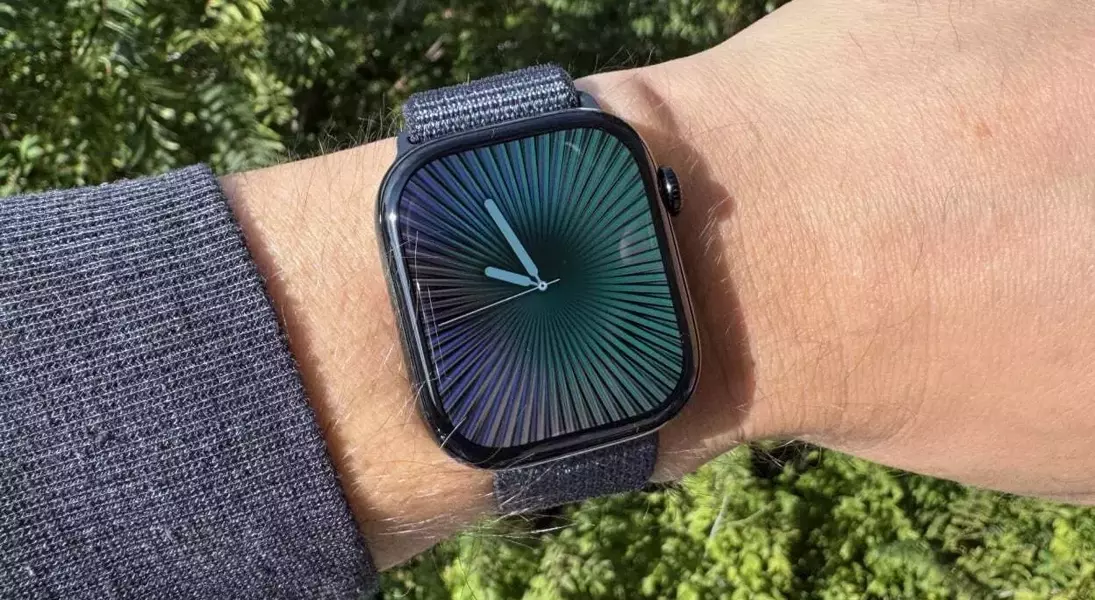
After a protracted legal battle, Apple has successfully brought back its Blood Oxygen measurement capability to the Apple Watch. This functionality, crucial for health monitoring and popular among users, had been absent due to a patent infringement dispute. The resolution marks a significant victory for Apple, allowing millions of users to once again access this important health metric on their devices.
The Restoration of Vital Health Monitoring: A Detailed Account
In a pivotal development today, Apple declared the return of the much-coveted Blood Oxygen measurement feature to its line of smartwatches, specifically for users within the United States. This reinstatement comes after a lengthy and complex patent disagreement with Masimo, a prominent medical technology firm. To access this reinstated function, owners of Apple Watch Series 9, Series 10, and the robust Apple Watch Ultra 2 in the U.S. are required to perform a dual software update: their paired iPhone must be running iOS 18.6.1, and their Apple Watch needs watchOS 11.6.1. This significant reintroduction was made possible by a recent favorable decision from the U.S. Customs authorities.
The journey leading to this outcome began in 2023, when the newly launched Apple Watch Series 9 and Ultra 2 faced removal from retail shelves across the U.S. This drastic measure was a direct consequence of Masimo's accusations that Apple had infringed upon their patent for blood oxygen sensing technology. The International Trade Commission had initially sided with Masimo, leading to an import ban on affected Apple Watch models. The ability to measure blood oxygen levels, known as pulse oximetry, is a valuable tool for individuals, including athletes and those managing respiratory conditions, providing essential insights into their well-being.
Apple's persistence in resolving the matter involved filing a counter-lawsuit against Masimo, asserting that Masimo had, in fact, violated Apple's own patents. While reports indicate Apple secured a nominal sum of $250 in the appeals court ruling, the company's primary objective was clearly the restoration of its device's critical functionality rather than monetary gain. Importantly, Apple has confirmed that this update does not affect Apple Watch devices purchased outside the U.S. or those acquired previously that already incorporated the Blood Oxygen feature. The return of this popular health tool is undoubtedly welcome news for the vast user base of Apple Watch, particularly for the Apple Watch Series 10, which continues to be a leading fitness tracker in the market.
From a journalist's perspective, this saga highlights the intricate and often fiercely competitive landscape of technological innovation and intellectual property. The legal battle between Apple and Masimo underscores the immense value placed on proprietary technologies, especially in the rapidly evolving health and wearable tech sectors. While the resolution allows Apple to resume offering a key health feature, it also serves as a potent reminder of the complexities and costs associated with patent disputes. For consumers, the reintroduction of the blood oxygen monitoring capability is a clear win, enhancing the utility and health-monitoring prowess of their Apple Watch devices. This event truly exemplifies how legal battles can profoundly impact product features and consumer access to advanced technology, ultimately shaping the future of digital health.
