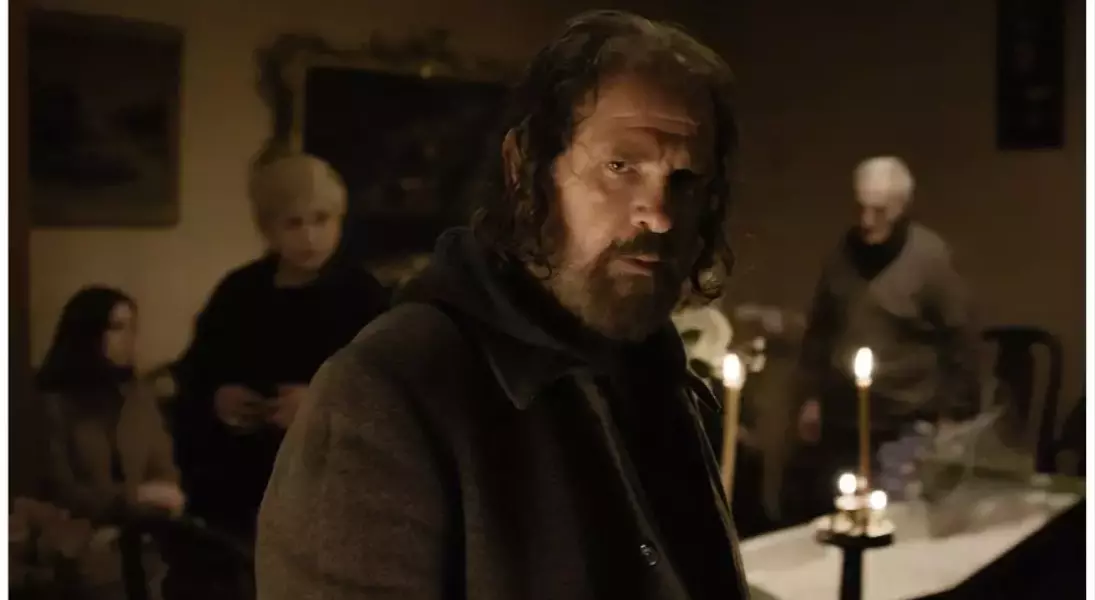
Georgian director Ana Urushadze, celebrated for her films "Scary Mother" and "Supporting Role," is developing her third feature, titled "Fear of Butterflies." Having recently showcased "Supporting Role" at the Sarajevo Film Festival, where it earned two awards at Rotterdam, Urushadze's latest endeavor promises a unique blend of genres. The film centers on a woman nearing her thirties who experiences a series of strange mental and physical occurrences. Urushadze describes it as a detective narrative infused with mystical elements and a hint of body horror, exploring the profound implications of a woman's struggle with her own physical form.
The film's intriguing title, "Fear of Butterflies," is deeply rooted in Urushadze's lifelong and intense phobia of these winged insects. She shared a personal anecdote about confronting this fear with a psychologist, who prompted her to envision a butterfly as a human. Urushadze's spontaneous response—that a butterfly would be a profoundly unwell or disabled individual—led to a revelatory moment for the director, herself a self-proclaimed hypochondriac. This insight, however, has not yet alleviated her phobia. Due to the contentious climate within the Georgian film sector, marked by a boycott against the state-funded National Film Center, Urushadze is actively seeking international financial backing and remains open to filming outside Georgia.
Urushadze's previous works have garnered significant critical acclaim. Her debut, "Scary Mother," won top honors at Locarno in 2017 and at Sarajevo, praised by Variety for its distinctiveness. Her follow-up, "Supporting Role," a Tbilisi-set drama about a veteran actor navigating a changing world, received accolades including a Special Jury Award and the FIPRESCI prize at Rotterdam. This film was inspired by an unusual encounter during the casting of "Scary Mother," where an older actor was taken aback by a young, female director. "Supporting Role" masterfully explores themes of masculinity, aging, and societal shifts through its compelling character study, enhanced by the magnetic performance of Dato Bakhtadze, whose unexpected casting proved to be a stroke of serendipitous genius.
Urushadze's commitment to exploring complex human experiences through innovative storytelling shines through her filmography. Her willingness to confront personal fears and societal challenges, both in her narratives and in her production choices, exemplifies a bold and forward-thinking approach to filmmaking that continues to resonate with audiences and critics alike.
