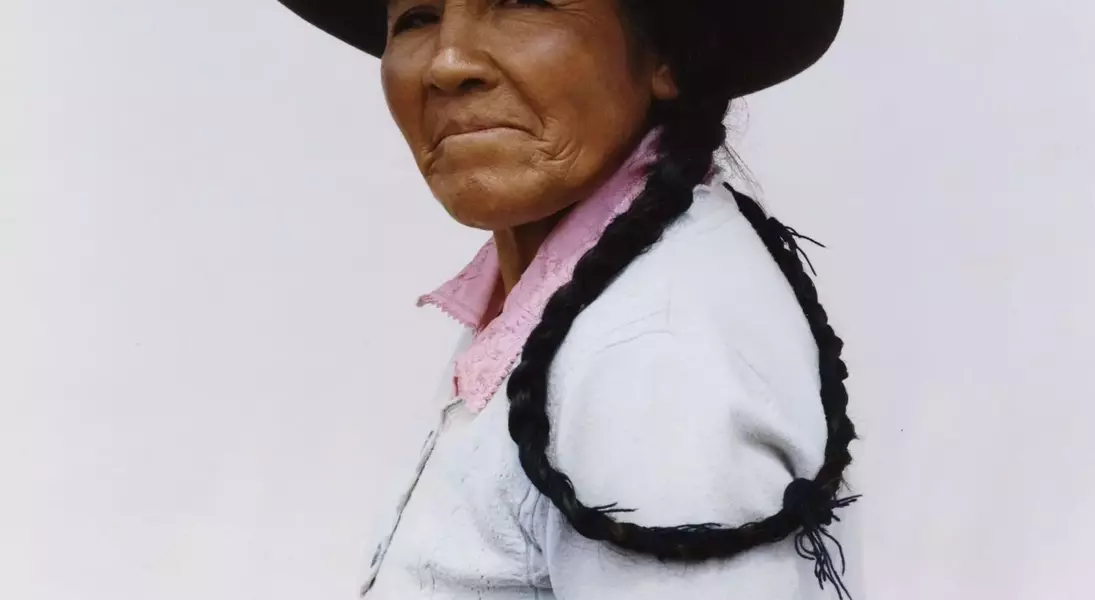
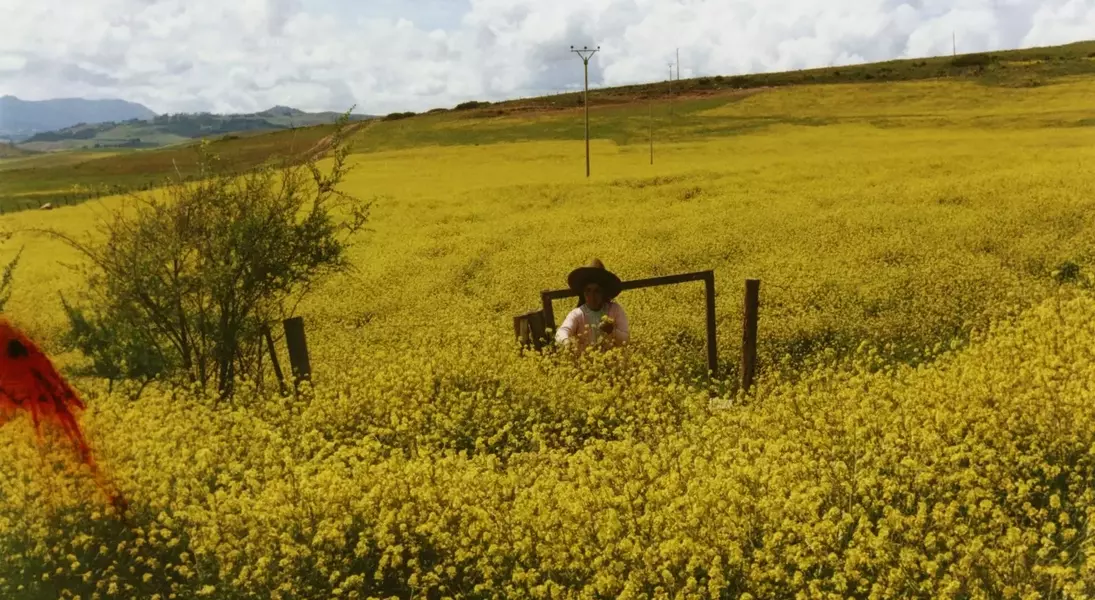
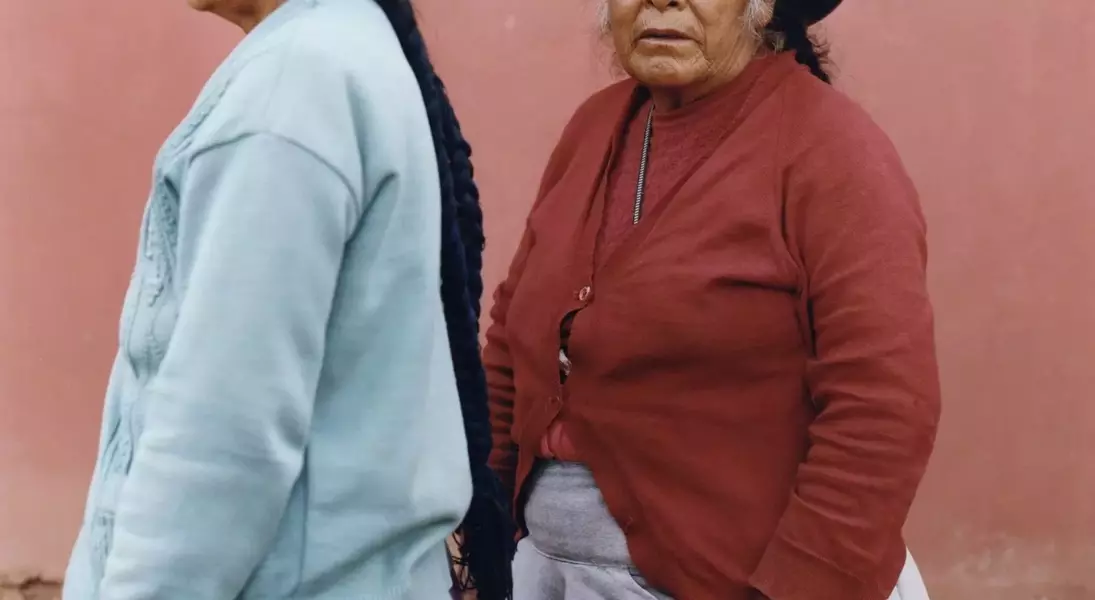
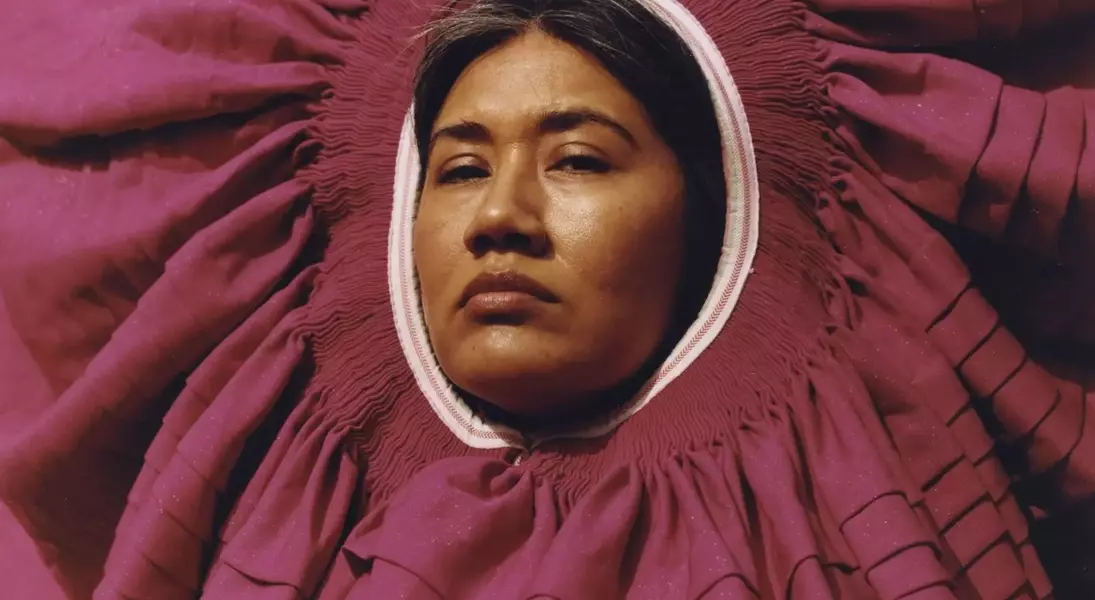
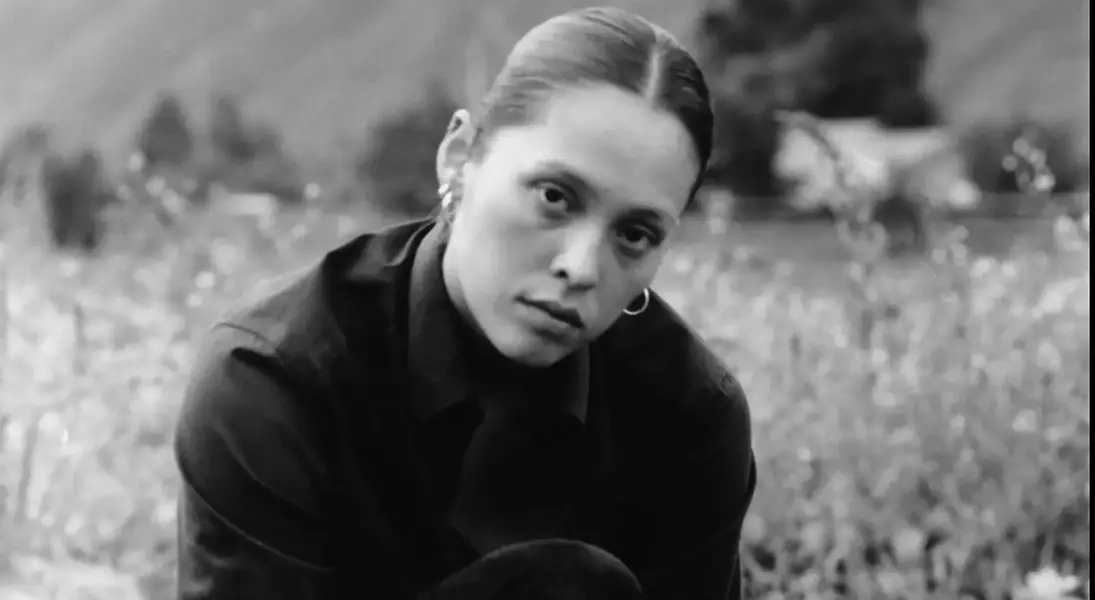
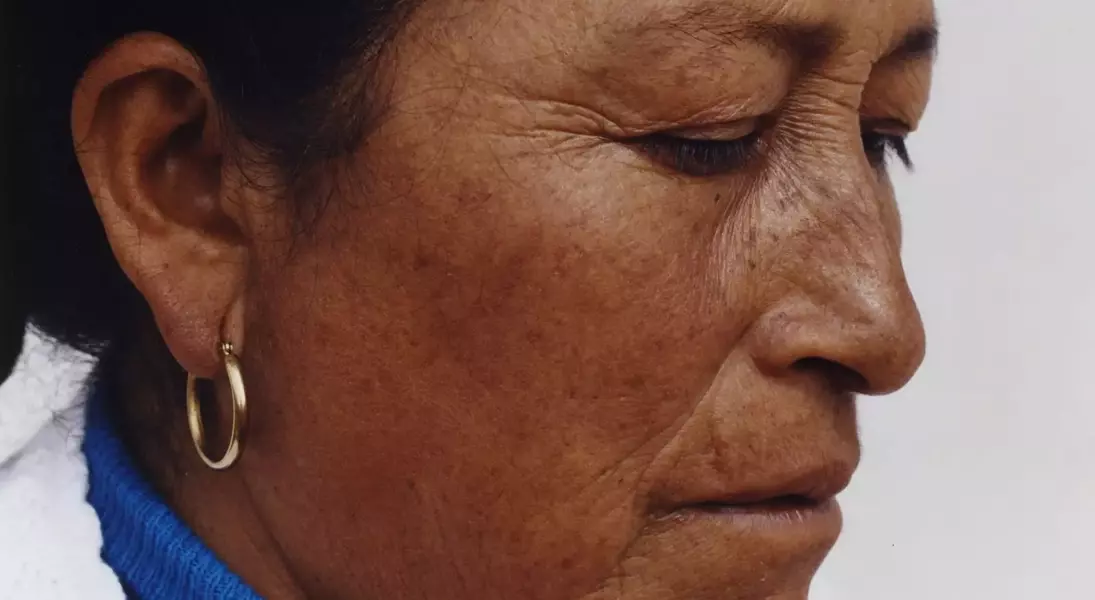
The exhibition 'Where the Flowers Bloom' by Peruvian-Swiss photographer Ana Margarita Flores offers a profound exploration of her heritage and the rich tapestry of her country's past. Through a series of compelling portraits, Flores intricately weaves together narratives of colonialism, identity, belonging, and the multifaceted experience of womanhood, particularly as expressed through the symbolism of traditional clothing. This collaborative endeavor aims to reframe historical visual representations, empowering the women of Peru's indigenous communities by presenting their stories with dignity and agency.
Flores's work not only highlights the vibrant traditions and cultural memory embedded in the garments but also emphasizes the deep connection these communities share with their ancestral lands. By engaging with both archival practices and contemporary photography, the exhibition provides a nuanced perspective on multicultural identity, inviting viewers to reflect on the interplay between past and present and the importance of recognizing voices that have historically been marginalized.
Exploring Roots and Identity Through Traditional Garments
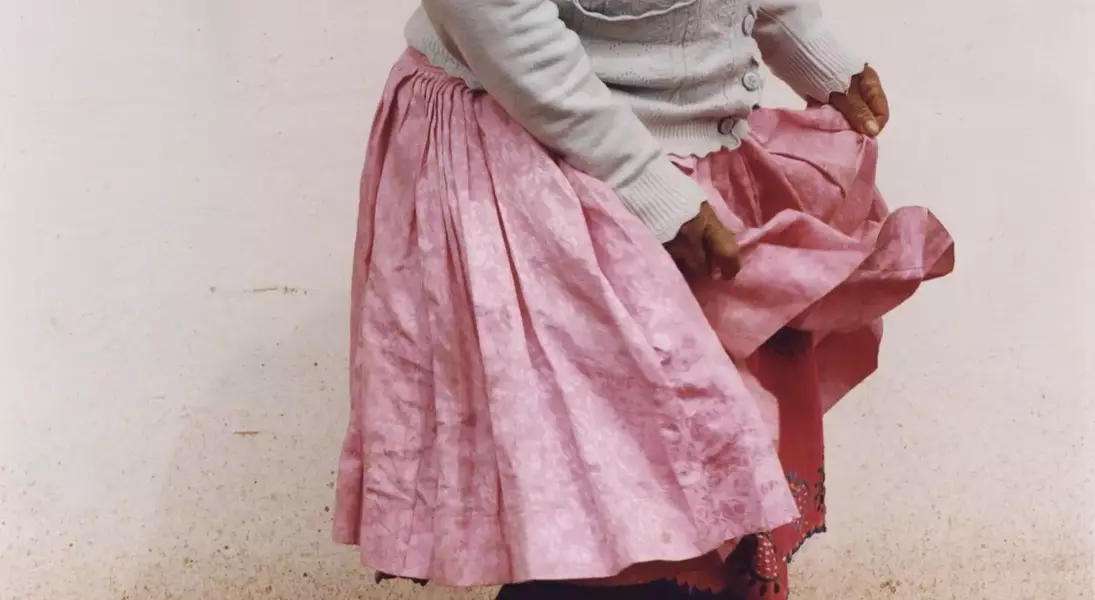
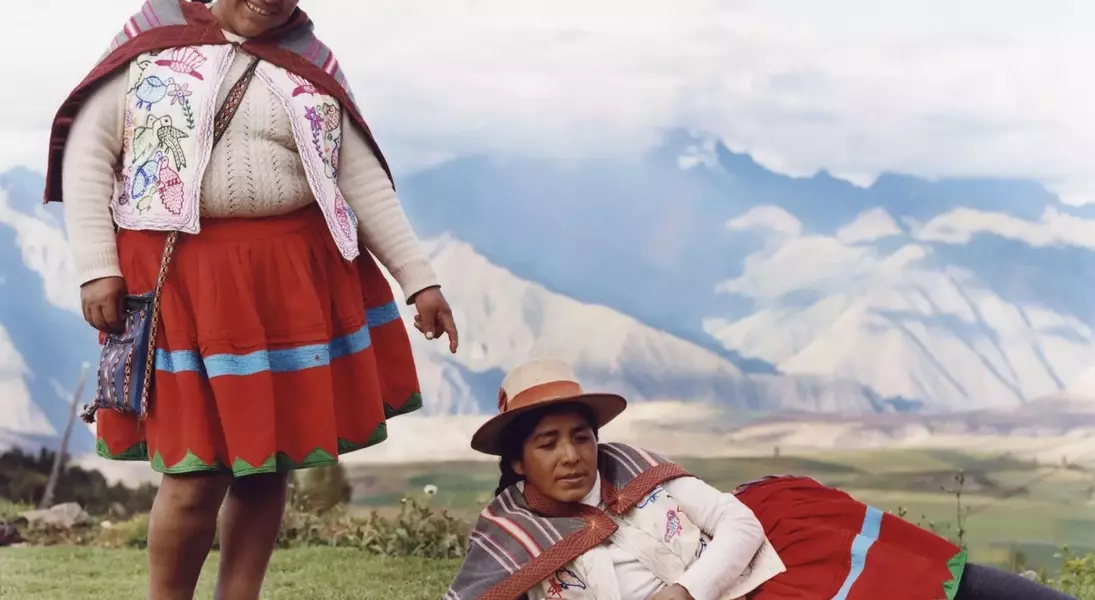
Ana Margarita Flores' exhibition, "Where the Flowers Bloom," is a deeply personal and cultural journey, investigating her Swiss-Peruvian origins and the rich history of her homeland. The core of her artistic expression lies in exploring complex themes such as colonialism's impact, the fluid nature of identity, the fundamental human need for belonging, and the powerful essence of womanhood. This exploration begins with clothing, seen as the initial space where identity is articulated. The exhibition showcases women from the Anccoto, Mullacas Misminay, and K’acllaraccay communities, each meticulously dressed in traditional attire that serves as a vibrant and joyful medium. These garments are not merely aesthetic choices but are potent symbols, reflecting profound traditions, cherished memories, and an unbreakable bond with their ancestral territory.
Flores's unique approach skillfully bridges the gap between historical documents and contemporary artistic practices. She navigates gracefully between archival materials, the precision of fashion photography, and the authentic storytelling of documentary work. This synthesis allows her to reinterpret and enrich the visual traditions of 19th-century Cusco portrait studios. Crucially, Flores's methodology prioritizes collaboration, working alongside the women she photographs to ensure their full agency and representation. This horizontal collaboration results in an exploration of what it means to possess a multicultural identity—to be deeply rooted in one's heritage while simultaneously aspiring and flourishing towards new horizons, much like flowers reaching for the sky. Her work is a powerful act of revisiting the past to illuminate the present, intentionally creating spaces for those whose narratives have long been overlooked or underrepresented in historical discourses.
Reinterpreting Visual Histories and Empowering Marginalized Voices
In her exhibition, Flores meticulously recontextualizes the visual grammar established by Cusco's 19th-century portrait studios. Her process involves a delicate balance of engaging with historical archives, employing modern fashion photography techniques, and embracing a documentary practice. This blend allows her to reconstruct historical representations, ensuring that the women she features are not merely subjects but active participants in shaping their own narratives. Through this empowering approach, Flores's work becomes a profound meditation on the complexities of a multicultural identity, highlighting the experience of being anchored in a specific place while simultaneously growing and evolving, much like blooming flowers.
The exhibition, on display at MALEZA in Cusco until January 22, 2026, and curated by Alejandra Orosco and Paul Gambin, stands as a testament to the power of art in fostering understanding and challenging established perspectives. Flores's images and the accompanying public programs serve as a vital platform for dialogue, encouraging viewers to consider how history is told and by whom. By consciously foregrounding the voices and experiences of these indigenous women, the project actively contributes to decolonizing visual narratives. It emphasizes that by re-examining the past through contemporary lenses and collaborative efforts, art can effectively interpret the present and pave the way for a more inclusive future where previously marginalized communities find their stories celebrated and recognized.
