The agricultural sector is confronting substantial challenges as the year 2026 looms, with numerous farmers navigating a landscape of economic uncertainty. This report delves into the struggles of producers in the heartland, particularly those in South Dakota, who are grappling with the ramifications of trade policies and rising costs. It also explores the divergent experiences within the agricultural community, highlighting the relative stability found in the cattle industry.
Navigating the Storm: Farmers on the Edge of a New Year
Unprofitable Seasons and Mounting Pressures for Heartland Farmers
The conclusion of 2025 marked yet another period of financial hardship for agricultural producers in America's central states. Soybean cultivators, in particular, have been contending with an array of obstacles, including the increased cost of farm equipment and fertilizers, largely exacerbated by inflationary pressures and international trade tariffs. These factors have severely impacted profitability, leaving many struggling to sustain their operations.
Generational Farming at Risk: A South Dakota Farmer's Dilemma
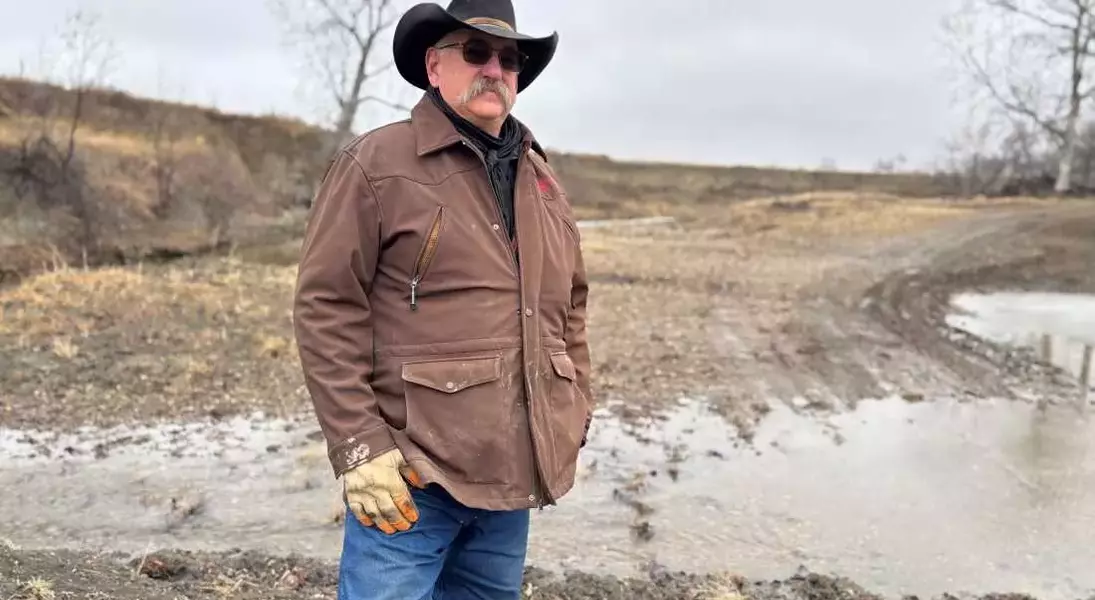
Kevin Deinert, a farmer in South Dakota, carries on a legacy spanning five generations on his family's land. Despite his aspirations for his sons to become the sixth generation to farm, the current economic climate makes merely surviving each year a formidable task. Deinert's reliance on storing soybeans in the hope of future price increases and new trade agreements with China underscores the desperate measures farmers are taking to stay afloat.
The Perils of Trade Policies: Uncertainty in the Agricultural Market
The White House has communicated an agreement with China for substantial soybean purchases in the coming years. However, this commitment follows a period of significant disruption caused by tariffs, which led to China ceasing U.S. soybean imports. This trade conflict has fueled a deep skepticism among farmers regarding the actual benefits of such policies, questioning whether the short-term pain inflicted by trade wars is justified by the eventual outcomes.
Political Stances and the Farmer's Burden
Deinert acknowledges the political rationale behind the trade measures but laments that American farmers, especially soybean producers, often bear the brunt of these policy decisions. He articulates a sense of being at the forefront of economic battles, absorbing the initial impacts of trade disputes.
Time and Patience Waning: Federal Aid Under Scrutiny
Despite assurances from the Agriculture Secretary about forthcoming financial stability for farmers, local experts like John Kippley in South Dakota remain unconvinced. Kippley, a tax professional, notes that many farmers ended the year in debt, with banks advising some to liquidate assets. Projections indicate a majority of farmers may not achieve profitability in the upcoming year, highlighting the urgent need for tangible support.
Echoes of the Past: Fears of a Looming Agricultural Bust
Kippley, drawing on his experience from the 1980s farm crisis, warns of the potential for an even more severe downturn in 2026. He expresses concern that without established family support, new farmers will struggle to succeed. The prospect of widespread farm closures and their ripple effects on rural communities, including the shuttering of local hospitals and schools, casts a long shadow over the future.
The Search for Solutions: Farmers' Union Voices Concerns
At the South Dakota Farmers Union meeting, anxiety over the agricultural sector's future was palpable. Doug Sombke, the union's president, likens the government's current efforts to dousing a raging inferno with a garden hose. He points out that current tariffs are exacerbating long-standing issues that originated with the 1980s crisis, making it increasingly difficult for farmers, who now carry immense debt, to adapt to a new economic model focused solely on domestic production.
A Glimmer of Hope: Resilience in the Ranching Community
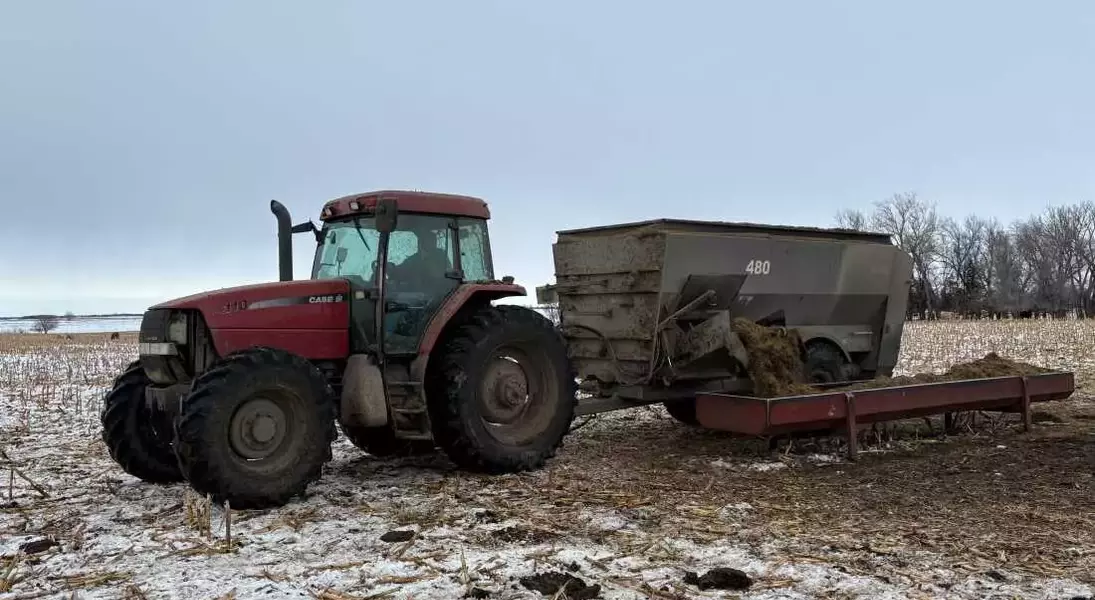
Amidst the widespread challenges, the livestock sector offers a brighter outlook. Kory Bierle, a rancher with a century-old family heritage, shares a cautiously optimistic perspective. Thanks to favorable beef prices, ranchers are experiencing a period of recovery after enduring years of drought and market fluctuations. While not yet celebrating, Bierle acknowledges the shared struggles with crop farmers and plans to maintain a conservative approach to his operations, ever mindful of unforeseen future disruptions.
