






The year 2025 will be remembered by those serving the impoverished as a period of profound upheaval. Despite escalating needs driven by rising living costs and increasing unemployment, federal funding reductions and administrative inconsistencies severely strained critical social safety net programs. This article delves into the repercussions of these challenges, focusing on how anti-poverty organizations adapted to the turbulent landscape and the enduring uncertainties they faced.
Humanitarian Efforts Under Duress: A Year of Unprecedented Challenges
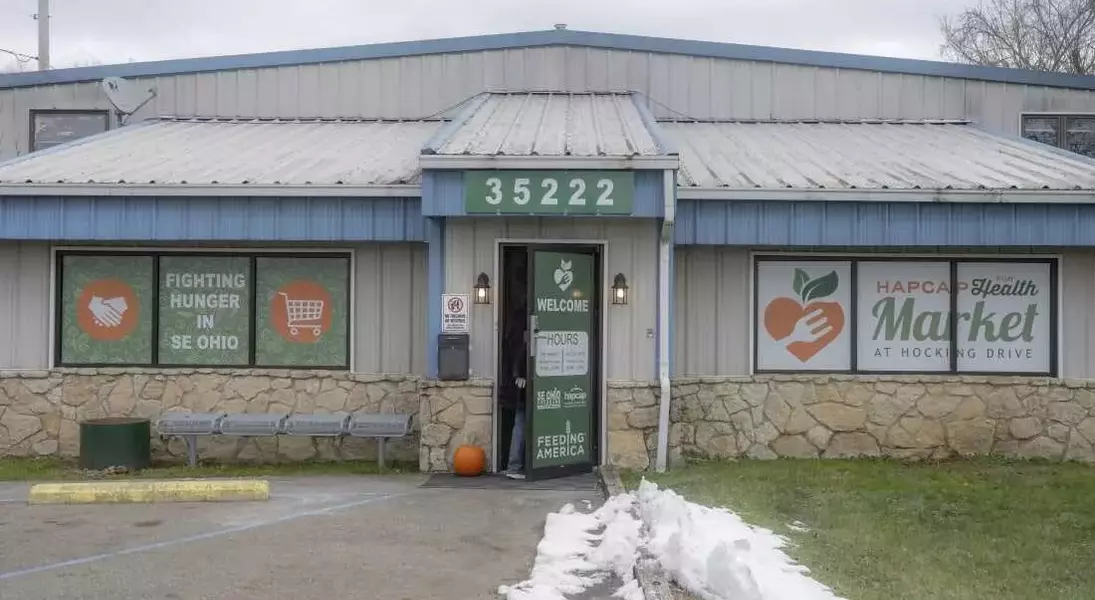
In the chilly pre-dawn hours of December 9th, in the quiet town of Logan, Ohio, a line of hopeful individuals huddled outside 'The Market,' a facility renowned for its food pantry. Among them was Scott Skinner, battling a broken car heater, seeking crucial heating assistance. He, like many others, had been repeatedly trying to secure an appointment for a month, only to resort to joining the walk-in queue. This scene underscored a broader crisis: the suspension of heating aid due to a government shutdown and weeks-long disruption of SNAP food benefits, leaving many, including 61-year-old disabled recipient Lisa Murphy, struggling to manage essential expenses like her $298 gas bill while trying to afford food.
Hocking Athens Perry Community Action (HAPCAP), the organization operating 'The Market' and offering a wide array of services from Meals on Wheels to Head Start across ten Appalachian Ohio counties, found itself under immense pressure. Executive Director Kelly Hatas recounted January 2025 as the "worst day" of her career, when a federal funding freeze by the Trump administration threatened to halt operations and lay off staff for programs like Head Start. While some programs eventually received funding after bipartisan support in Congress, the unpredictable actions of the Office of Management and Budget (OMB) — including delaying the release of $770 million in Community Services Block Grant funds labeled as 'woke programs' — created a constant state of emergency. David Bradley from the National Community Action Foundation emphasized the consistent bipartisan backing these programs typically receive, highlighting the administration's contentious approach.
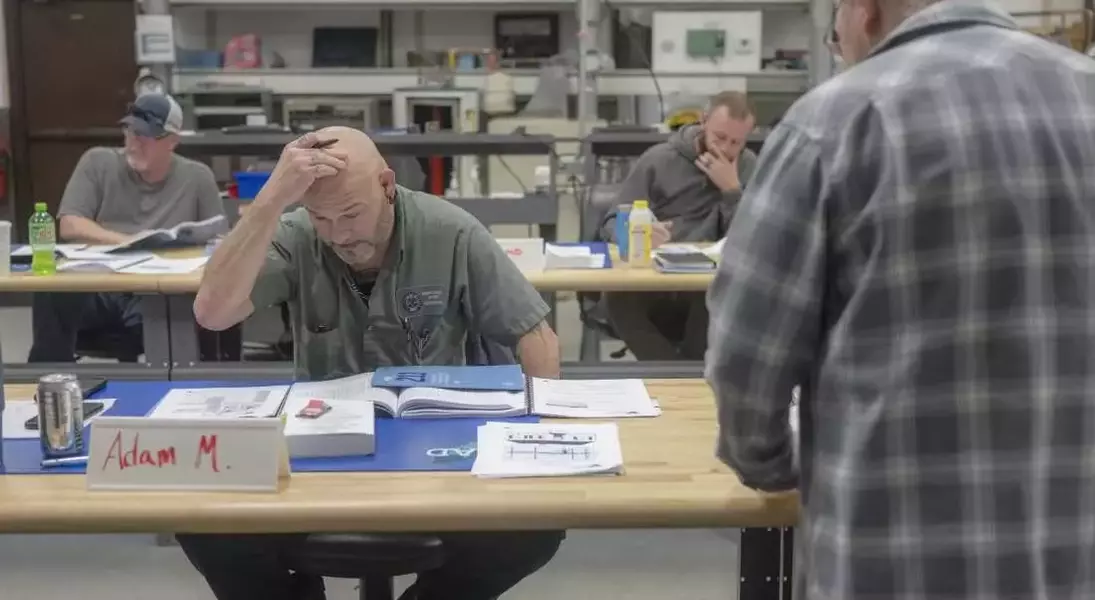
The chronic instability forced HAPCAP to scale back vital projects, such as a new Head Start facility and a much-needed homeless shelter. Staff morale suffered, with employees like Kelsey Sexton, whose hours were halved, grappling with financial insecurity. Megan Riddlebarger, leading the Corporation for Ohio Appalachian Development (COAD) in Athens, stressed the economic importance of these anti-poverty agencies in rural areas, noting they are often major local employers and purchasers. COAD's weatherization program, designed to make homes energy-efficient and save residents money, faced significant delays in funding, threatening staff retention. Despite these challenges, local philanthropic efforts and successful legal challenges, such as the restoration of AmeriCorps grants, offered some reprieve. Diana Eads, a 74-year-old AmeriCorps Seniors volunteer, exemplified dedication by reassuring an 88-year-old companion she would continue her visits regardless of her stipend's fate, underlining the profound human connections at the heart of these services.
Reflecting on Resilience and Policy Impact in Social Welfare
The events of 2025 serve as a stark reminder of the delicate balance governing social welfare programs and the immense impact of policy decisions on vulnerable populations. The relentless cycle of funding cuts, suspensions, and political rhetoric targeting aid initiatives creates an environment of profound insecurity for both service providers and recipients. It underscores the critical need for stable, predictable funding mechanisms and bipartisan cooperation to ensure that essential support systems remain intact, particularly during times of increased economic hardship. The narrative of 2025 illuminates the unwavering commitment of individuals and organizations to humanitarian causes, even in the face of systemic adversity, and calls for a renewed focus on the long-term sustainability and effectiveness of poverty alleviation strategies.
