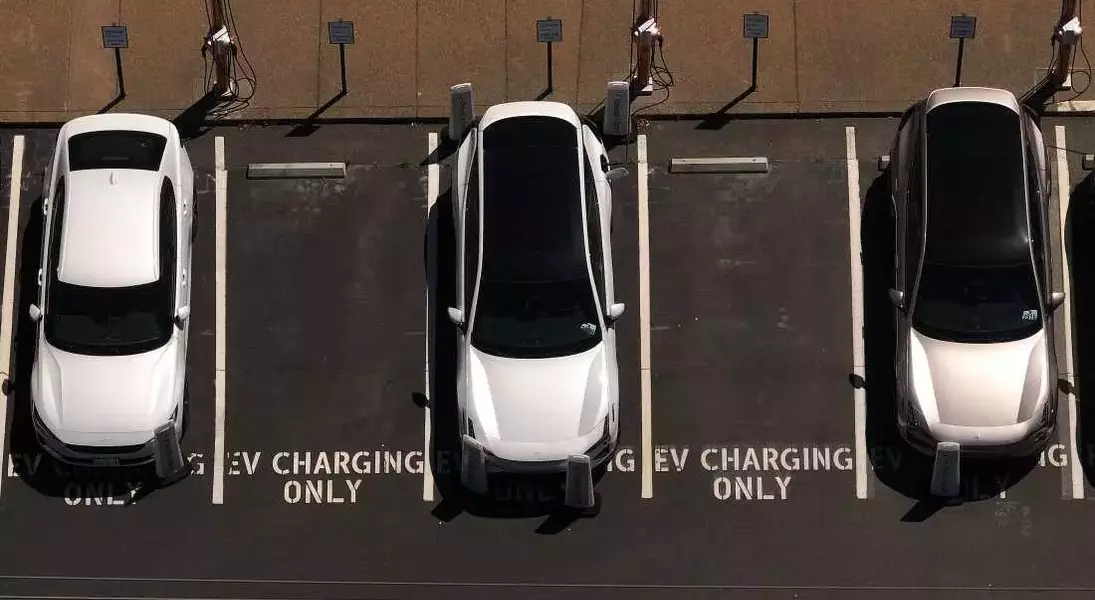
The year 2025 presented a tumultuous period for the electric vehicle industry, marked by significant policy reversals and strategic shifts from major automotive manufacturers. Despite these considerable challenges, a surprising steadfastness in consumer demand for electric vehicles was observed, suggesting a resilient underlying market. The global landscape, particularly the burgeoning EV market in China, continues to underscore the long-term trajectory toward electrification, even as the American sector navigates its own complex path.
Electric Vehicle Market Navigates Policy Headwinds and Production Cuts
In 2025, the electric vehicle market experienced a challenging year, primarily driven by dramatic shifts in federal policy within the United States. The administration rolled back numerous initiatives that had previously supported EV adoption, including the elimination of the $7,500 federal tax credit for purchases. This policy reversal also impacted California's authority to mandate EV sales and led to the rewriting of federal emissions and fuel economy standards. Consequently, major automakers, including Ram, Ford, Volkswagen, and GM, either canceled or delayed several electric vehicle projects, such as the Ram 1500 REV and the all-electric Ford Lightning, opting in some cases for hybrid alternatives.
Sales figures reflected this volatility. After a significant surge in August and September as consumers rushed to utilize the expiring federal tax credit, October saw a sharp 50% decline. However, amidst this flux, market analysts noted a surprising trend: consumer interest in EVs actually slightly increased after the tax credit ended. Brent Gruber of J.D. Power reported that approximately 25% of new car shoppers expressed keen interest in EVs, a figure that remained remarkably consistent despite the industry's turbulence. Furthermore, EV owners demonstrated high satisfaction rates, with 94% indicating a willingness to purchase another electric vehicle for their next car.
Challenges beyond policy also contributed to the slower-than-anticipated growth in the American EV market. Issues such as the difficulty of home charging for apartment residents and the higher upfront cost of EVs, despite lower fuel and maintenance expenses, remained significant barriers. These factors have led to a ripple effect throughout the supply chain, impacting automotive suppliers and potentially resulting in job reassignments or layoffs as production timelines were adjusted.
Despite the domestic slowdown, the global trend towards electric vehicles remains undeniable. Huiling Zhou, a U.S. EV analyst at BloombergNEF, highlighted that internal combustion engine car sales peaked nearly a decade ago globally. With about one in four cars sold worldwide being electric, largely driven by China's rapid adoption and increasing exports, global automakers recognize the imperative to remain competitive in the electric vehicle sector. This global momentum ensures that, despite short-term setbacks, the long-term commitment to electrification by automotive manufacturers persists.
The journey of electric vehicles in 2025 serves as a potent reminder of the intricate interplay between policy, market dynamics, and consumer behavior. While political shifts can introduce immediate instability and redirect industry efforts, the underlying enthusiasm for sustainable transportation solutions appears to endure. This resilience, coupled with a robust global push towards electrification, underscores that the transition to electric vehicles, though potentially bumpy, is ultimately an unstoppable force. It compels us to consider how regulatory frameworks and infrastructure development can be better aligned to support, rather than hinder, this crucial evolution in personal mobility.
