The American automotive market presents a fascinating study in diversity, with vehicle preferences varying significantly from one state to another. While the Ford F-150 consistently holds its position as the top-selling vehicle nationwide, a detailed examination of state-level sales data uncovers a rich tapestry of consumer choices. This comprehensive report, drawing insights from industry analysis, sheds light on the factors shaping these regional distinctions, from the open roads of the Midwest to the bustling urban centers and environmentally conscious communities.
Unveiling America's Driving Preferences: A State-by-State Deep Dive
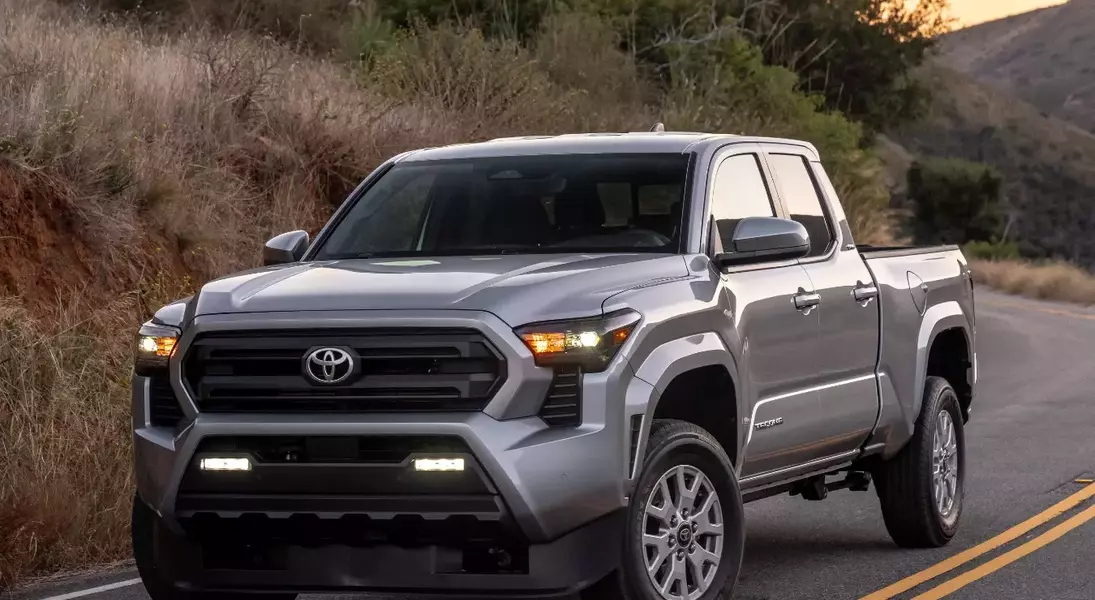
A recent analysis, encompassing sales figures from every U.S. state, paints a vivid picture of America's vehicle landscape. While the Ford F-150 maintains its dominance in several states, particularly those known for their expansive rural areas and industries requiring robust utility, other regions demonstrate clear leanings towards different types of automobiles. For instance, the Ford F-150 remains the undisputed champion in states such as Oklahoma and Texas, where its capabilities for heavy-duty tasks are highly valued. Conversely, the Toyota RAV4, a popular crossover, finds its stronghold in populous states like Florida and Georgia, aligning with the needs of urban and suburban drivers. Meanwhile, the Toyota Tacoma holds a unique position as the perennial favorite in Hawaii, reflecting specific local demands.
The data further reveals distinct patterns:
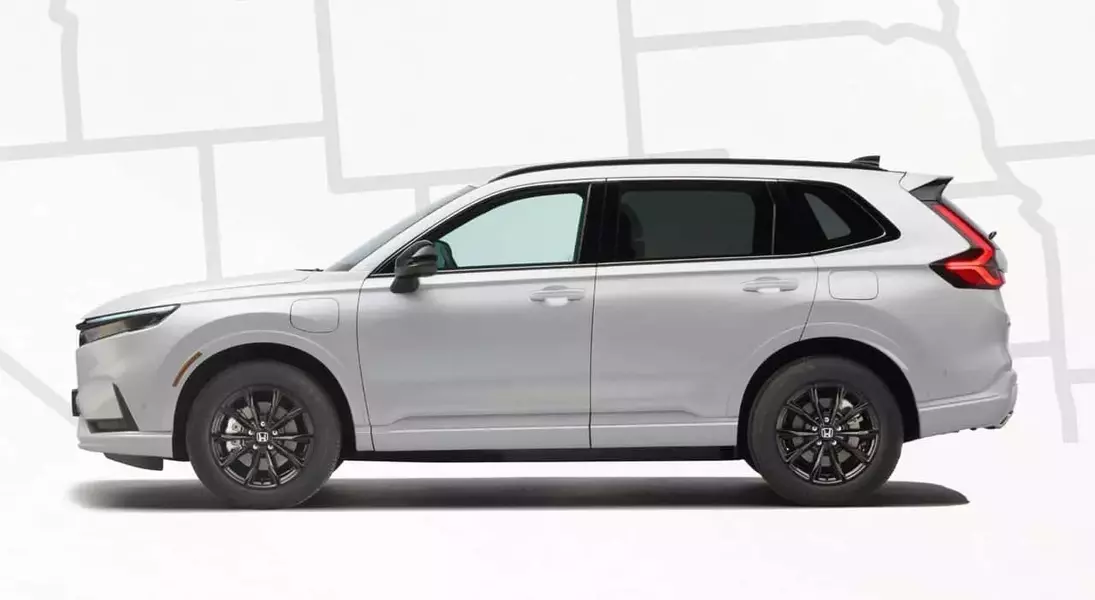
- The Honda CR-V is a leading choice in a significant number of states, including Connecticut, Delaware, Illinois, Indiana, Maryland, Minnesota, New York, North Carolina, Ohio, Pennsylvania, South Carolina, Virginia, and Wisconsin, often thriving in areas with denser populations and urban commutes.
- The Chevrolet Silverado 1500 commands significant loyalty in Alaska, Iowa, Kentucky, and West Virginia, emphasizing the continued importance of full-size trucks in these regions.
- The Tesla Model Y shines in seven states, including the innovation-driven economies of Arizona, California, Colorado, Nevada, New Jersey, Utah, and Washington, underscoring the growing adoption of electric vehicles in areas with developed charging infrastructure and environmental awareness.
A few vehicles carved out their niche in single states: the Nissan Rogue is the top seller in Tennessee, home to Nissan's U.S. operations; the Toyota Camry leads in Alabama, a state with strong automotive manufacturing ties; the GMC Sierra 1500 is the preferred truck in Arkansas; and the Toyota Tacoma maintains its unique popularity in Hawaii.
The continued success of the F-150, which sold over 765,000 units last year, highlights the enduring appeal of pickup trucks. However, this nationwide triumph masks the intricate local variations. In regions like Michigan, Montana, and North Dakota, buyers prioritize features such as towing capacity, payload, and off-road prowess, areas where the F-150 consistently excels. In contrast, the Toyota RAV4's popularity in states with extensive highway networks and daily traffic, such as Florida and Georgia, points to a preference for fuel efficiency and comfortable commuting.
Ultimately, this state-by-state breakdown underscores that vehicle choice is a multifaceted decision, influenced by an array of factors including geographical location, population density, the prevalent lifestyle, and the availability of supporting infrastructure. Despite national sales leaders, the American automotive landscape remains a vibrant mosaic of localized tastes and practical requirements.
This comprehensive study offers valuable insights into the diverse purchasing habits of American consumers. It underscores that while national sales figures provide a broad overview, a deeper, state-level analysis is crucial for understanding the intricate interplay of culture, economics, and environment in shaping automotive preferences. As a journalist, I find this data compelling, revealing how vehicle choices are not merely about personal preference but are deeply embedded in the fabric of regional identity and daily life. It challenges the notion of a monolithic American driver, instead presenting a nuanced picture of a nation on wheels, each state with its unique automotive heartbeat.
