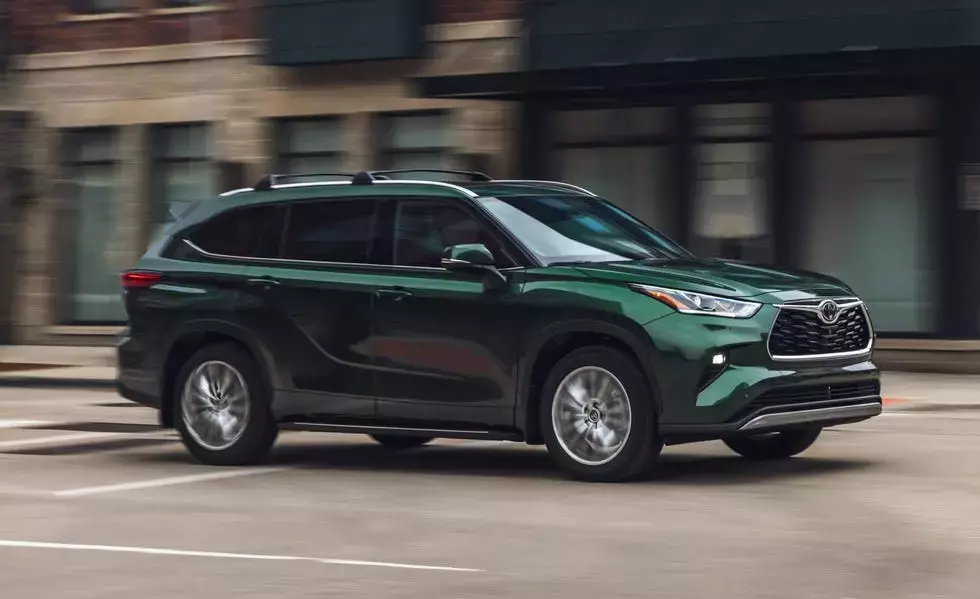
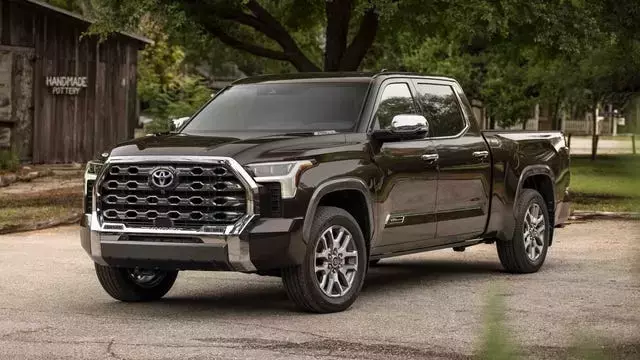
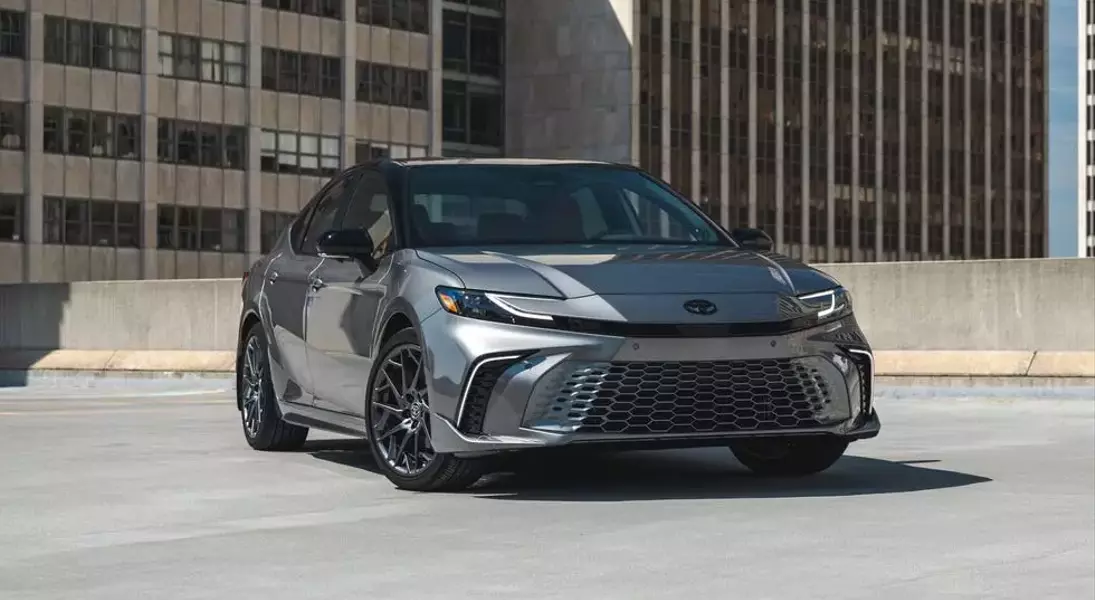
Toyota is set to introduce three of its prominent U.S.-produced vehicles—the Camry, Highlander, and Tundra—to the Japanese market, commencing in 2026. This initiative not only diversifies Toyota's domestic product offerings but also strategically aims to bolster trade ties between the United States and Japan. The reintroduction of the Camry and Highlander, alongside the debut of the Tundra, signifies a notable shift in the automaker's international sales approach, leveraging its North American manufacturing capabilities for global market expansion.
This move is particularly significant given the historical context of automotive trade and manufacturing. While it's common for car manufacturers to export vehicles across borders, Toyota's decision to export from the U.S. to Japan, especially for models like the Tundra which has never been sold in Japan, highlights an evolving global automotive landscape. It also underscores the impact of recent trade policies that sought to increase U.S. automotive exports, positioning this as a multifaceted strategy addressing both market demand and international trade dynamics.
Expanding Toyota's Japanese Portfolio with American Craftsmanship
Toyota has unveiled plans to begin selling three U.S.-made vehicles—the Camry sedan, Highlander SUV, and Tundra pickup—in Japan, with preparations underway for imports to commence in 2026. This strategic decision is driven by a dual objective: to enrich Toyota's vehicle lineup within its home country and to foster stronger trade relationships between the United States and Japan. The Camry and Highlander are returning to the Japanese market after previous stints, while the Tundra will mark its first official appearance, showcasing the diversity of American manufacturing.
The automaker's decision to export these specific models, particularly the Tundra, underscores a notable shift in its global marketing strategy. The Camry, a popular sedan, and the Highlander, a family-friendly SUV, have a history in Japan, with their prior discontinuations creating a gap that Toyota now seeks to fill with U.S.-produced versions. The introduction of the full-size Tundra pickup is particularly noteworthy, as it signifies Toyota's intent to test and potentially expand the utility vehicle segment in a market traditionally dominated by smaller cars. This initiative is not merely about product availability; it also reflects a broader economic and diplomatic effort to enhance trade balances and demonstrate the value of U.S.-based automotive production on an international stage.
Strategic Implications for International Trade and Market Diversification
Toyota's announcement to export U.S.-manufactured vehicles to Japan, starting in 2026, extends beyond simple market expansion; it carries significant strategic implications for international trade relations. By committing to sell the Camry sedan, Highlander SUV, and Tundra pickup in its home market, Toyota aims to not only diversify its product offerings in Japan but also to actively contribute to the improvement of trade relations between the United States and Japan. This action could be seen as a direct response to, or a beneficial outcome of, ongoing efforts to balance trade and foster economic cooperation between the two nations.
The rationale behind this move is multifaceted. On one hand, it allows Toyota to strengthen its product portfolio in Japan by introducing models that have proven successful in other markets, particularly North America. On the other hand, it represents a conscious effort by a major global automaker to navigate and positively influence the complex landscape of international trade. Exporting vehicles built in the U.S. to Japan creates a tangible link in the economic chain, potentially easing trade tensions and showcasing the benefits of integrated global manufacturing. This approach challenges the traditional model where most U.S.-produced vehicles remain within North America, suggesting a future where manufacturing hubs like the U.S. play a more prominent role in supplying diverse global markets.
