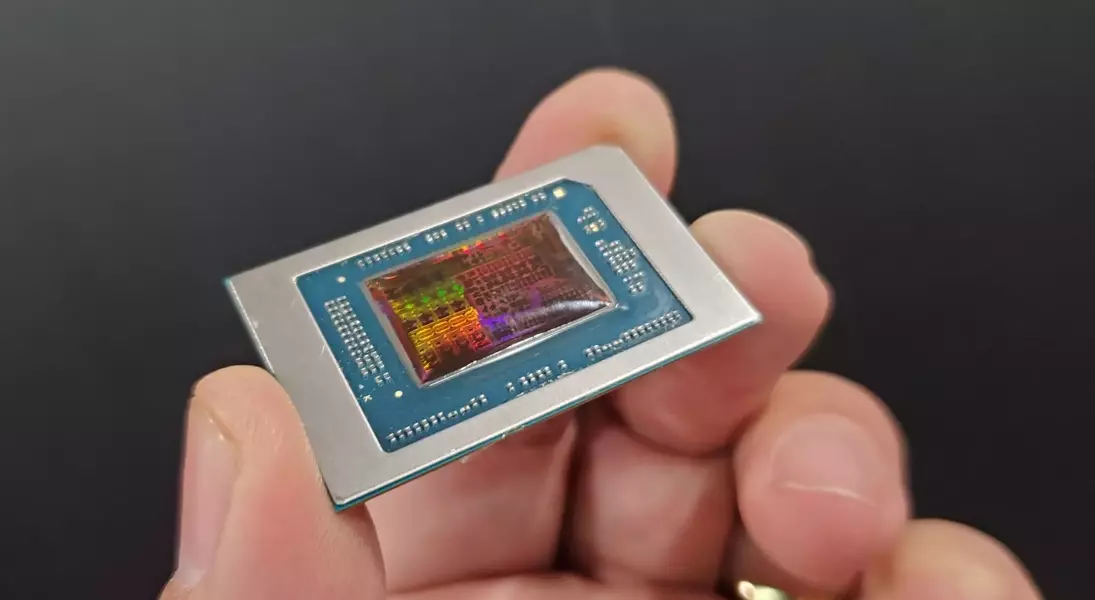
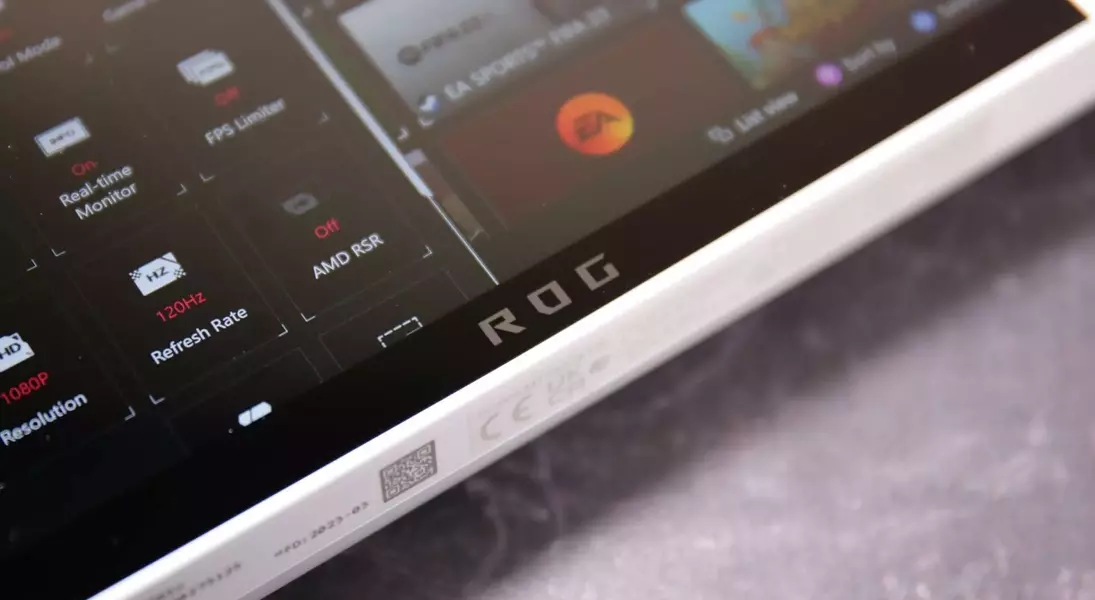
A notable performance gap between the Asus ROG Ally and the Steam Deck when playing 'Resident Evil Requiem' has brought to light concerns regarding driver support for AMD's Ryzen Z1 and Z1 Extreme processors. This situation fuels speculation that AMD may be neglecting driver updates for its custom APUs in handheld gaming devices. While a recent driver update for the ROG Ally was released, it did not address the performance issues in 'Resident Evil Requiem', suggesting a deeper problem. This discrepancy is particularly perplexing given that the Ryzen Z1 Extreme is inherently more powerful than the Steam Deck's custom AMD chip, and desktop counterparts like the Ryzen 7 7840U, which share similar integrated graphics, continue to receive regular driver updates.
Disparity in Handheld Gaming Performance Fuels Debate on AMD's Driver Strategy
In February, a significant divergence in gaming performance was observed on handheld devices. Specifically, when running 'Resident Evil Requiem', the Asus ROG Ally, powered by an AMD Ryzen Z1 Extreme processor, struggled to achieve double-digit frame rates even at 720p with the lowest settings and upscaling enabled. In stark contrast, the Steam Deck, equipped with a less powerful custom AMD chip, effortlessly delivered an average of 40 frames per second. This considerable difference prompted an investigation into the underlying causes, leading many to suspect a lack of consistent driver updates for the Z1 series. Despite the release of a new GPU driver for the ROG Ally and ROG Ally X on February 27th, manual installation is currently required as it's not available through Asus Armoury Crate, and critically, it offers no performance improvements for 'Resident Evil Requiem'.
This issue extends beyond Asus devices, as the Lenovo Legion Go, another handheld featuring the Z1 Extreme, has not received a new GPU driver since September of the previous year. Meanwhile, Valve consistently updates its Steam Deck software, incorporating the latest advancements from the Mesa driver set. The situation is further complicated by the fact that AMD continues to support the integrated GPUs in its Ryzen 7000-series APUs, which are technically similar to the Z1 Extreme. However, the latest Adrenalin Edition drivers do not recognize the Z1 chips, rendering them incompatible. This forces users of Ryzen Z1-based devices, like the version of the Lenovo Legion Go S running Windows, to depend solely on AMD for driver updates, a reliance that appears increasingly precarious. Conversely, the SteamOS version of the Legion Go S benefits from Valve's robust and regular driver support. The core problem lies in the fact that the Ryzen Z1 is not a fundamentally unique chip but rather an off-the-shelf component with minor modifications, making AMD's apparent abandonment of its driver support particularly frustrating for consumers. This raises critical questions about the future of driver support for AMD's custom processors in handheld gaming and prompts a reevaluation of purchasing decisions for upcoming Ryzen Z2 devices.
The current state of driver support for AMD's Ryzen Z1 processors in handheld gaming devices serves as a crucial reminder for consumers to consider long-term software support when investing in new technology. The stark performance contrast observed with 'Resident Evil Requiem' highlights that raw hardware power alone is insufficient without consistent and optimized driver updates. This situation also underscores the advantage of platforms like SteamOS, where a dedicated ecosystem ensures timely software enhancements, reducing reliance on third-party manufacturers. For future handheld gaming PC purchases, prioritizing devices with proven and continuous software support, rather than solely focusing on hardware specifications, seems to be a more prudent approach to ensure a sustained and enjoyable gaming experience.
