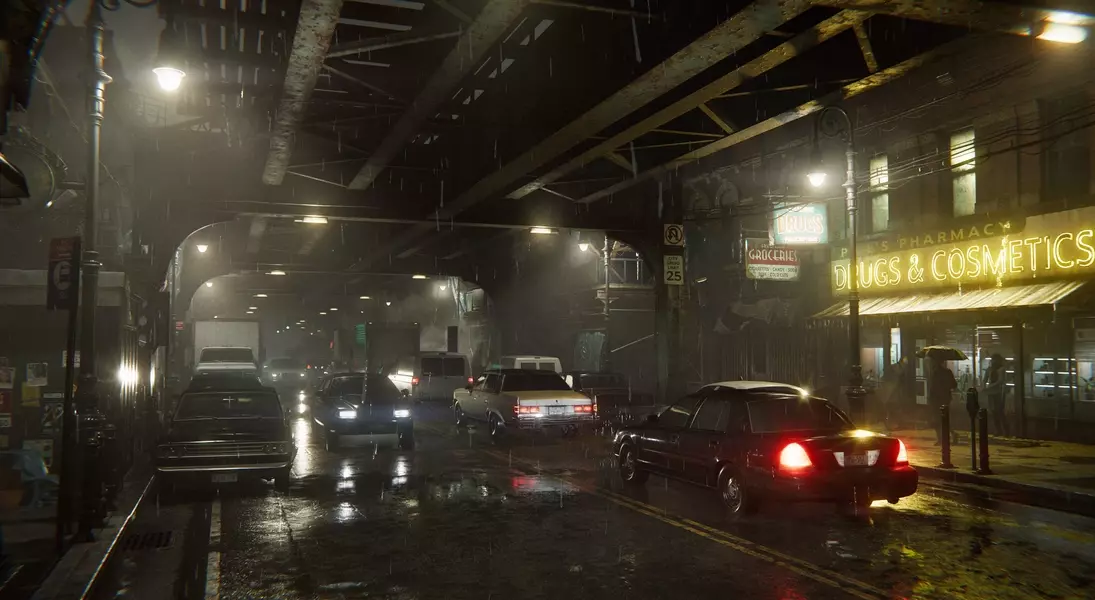
With the recent release of 'Resident Evil Requiem' by Capcom, PC gamers now have another title pushing the boundaries of graphics with path tracing, often referred to by Nvidia as full ray tracing. This advanced rendering technique delivers unparalleled visual fidelity, including precise lighting, shadows, and reflections. However, achieving this stunning visual quality comes at a considerable hardware cost, both financially and in terms of computational demand, often leading to significantly reduced frame rates even on powerful systems.
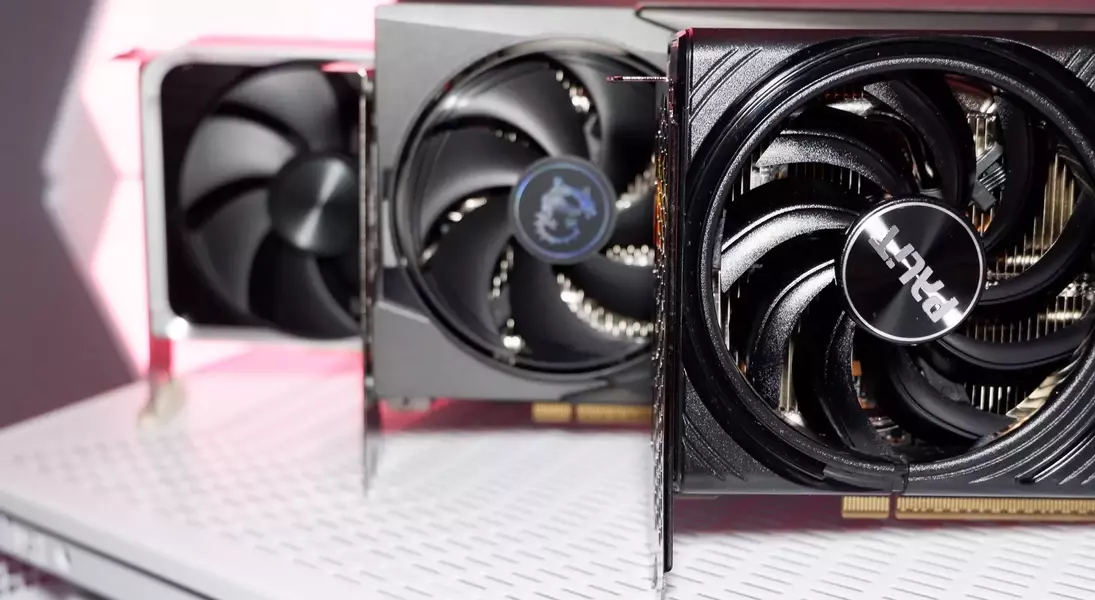
The current state of path tracing presents a significant challenge for graphics cards. For instance, while an RTX 3060 Ti can technically run 'Resident Evil Requiem' with path tracing enabled, the performance plummets to unplayable single-digit frame rates, far below the game's other ray tracing options. Even more recent and powerful cards like the RTX 4070 experience substantial frame rate drops when path tracing is activated, despite boasting superior computational power, cache, and VRAM. Although technologies like DLSS and frame generation can improve playability, the performance still lags behind standard ray tracing, indicating the immense workload path tracing places on GPUs.
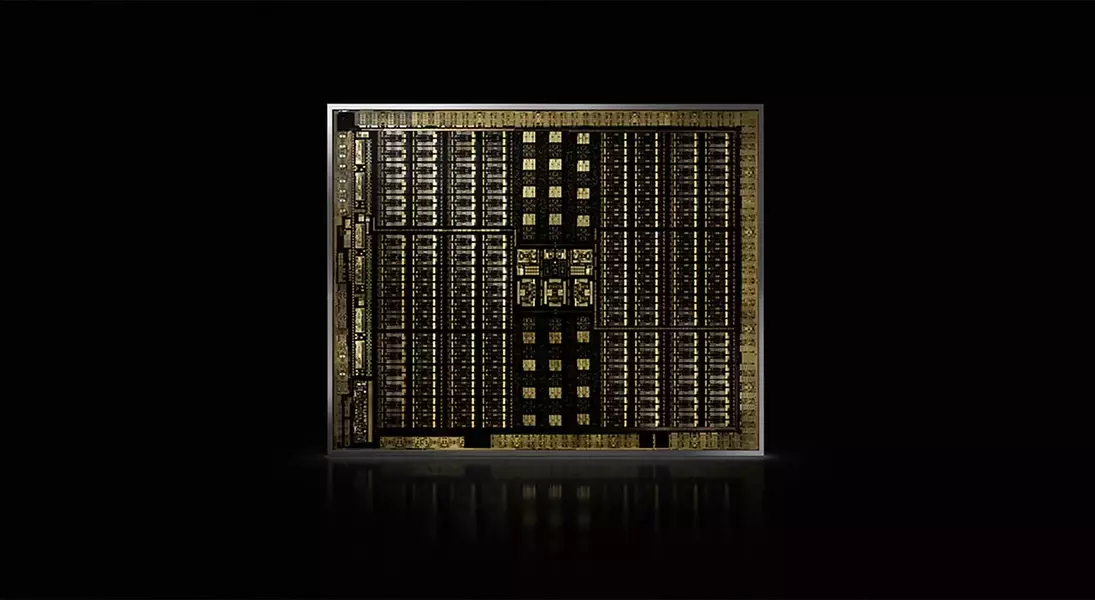
Looking back at the evolution of graphics technology, it took nearly eight years for ray tracing, first introduced with Nvidia's RTX 20-series in 2018/2019, to become a mainstream and performant feature in games. Path tracing, a significantly more complex method involving multiple light paths and extensive calculations, faces similar adoption hurdles. However, with continuous advancements in GPU architecture from Nvidia, AMD, and Intel, along with the increasing integration of AI-powered algorithms like neural shading and neural texture compression, the future looks promising. These innovations are expected to considerably alleviate the computational burden of path tracing, making it more accessible and widely adopted in games much sooner than ray tracing did.
The journey towards widespread adoption of path tracing in gaming is a testament to the relentless pursuit of visual perfection and technological innovation. While the current demands are high, the rapid pace of development in GPU technology and AI-driven rendering solutions suggests that the era of truly photorealistic gaming, powered by path tracing, is not a distant dream but an impending reality, promising gamers an even more immersive and visually stunning experience.
