
Amazon is set to transform its innovative Alexa Plus voice assistant into a significant revenue generator, with plans for embedded advertising and the potential introduction of premium subscription tiers. This strategic move aims to bolster profitability for Amazon's Devices & Services division, which has traditionally faced financial challenges. While a free version remains accessible to Prime subscribers, a $19.99 monthly fee is envisioned for non-Prime users. The company's vision is to establish Alexa Plus as the leading personal AI assistant globally, but this ambition comes with the challenge of seamlessly integrating monetization without compromising the user experience.
The integration of advertising into conversational AI is a primary focus for Amazon. The company anticipates that increased user engagement with Alexa Plus will create abundant opportunities for ad placements, thereby driving both discovery for consumers and substantial revenue for Amazon. Additionally, the possibility of introducing more exclusive, paid features beyond the current offering for Prime members suggests a tiered service model, where users might opt for an ad-free experience or enhanced functionalities at a higher cost. This approach mirrors Amazon's strategy with Prime Video, where an ad-free option is available at a premium. The core dilemma lies in whether users will embrace a personal assistant that actively promotes products, potentially sacrificing convenience for commercial interests.
Monetization Strategies for AI Assistants
Amazon's forward-thinking approach for Alexa Plus involves a dual monetization strategy: pervasive advertising and potential premium subscriptions. The company is actively exploring how to weave advertisements into the fabric of daily interactions with the AI assistant, leveraging multi-turn conversations to present relevant promotional content. This strategy is driven by the need to offset previous financial losses in the Devices & Services sector. The existing ad model on Echo devices, which includes full-screen display ads and the "By the way" feature suggesting purchases, provides a blueprint. The key challenge is to integrate these commercial elements seamlessly, ensuring they enhance rather than detract from the user experience, particularly for a service aspiring to be the 'world's best personal assistant.'
The expansion of Alexa Plus’s capabilities, particularly its generative AI features, positions it as a powerful platform for targeted advertising. For instance, the previously tested "Customers Ask Alexa" feature, which allowed brands to provide answers to common user queries, could be significantly enhanced. This would enable Alexa Plus to deliver sponsored results directly within its responses, presenting a direct pathway for brands to connect with consumers through the AI. However, this raises questions about user acceptance and trust. Would users be willing to pay for an AI assistant that, despite its advanced capabilities, is influenced by commercial incentives? Amazon's strategy suggests a potential tiered model, offering an ad-free version for a higher subscription fee, akin to its Prime Video service. The success of this model hinges on the perceived value of Alexa Plus's advanced features outweighing the discomfort of advertising, or the willingness of users to pay for an uninterrupted, ad-free experience.
The Evolution of Personal AI Assistants
The advent of generative AI is fundamentally reshaping the landscape of digital voice assistants, with Amazon's Alexa Plus leading the charge. Unlike its predecessors, this revamped assistant boasts enhanced conversational abilities and the capacity to execute real-world actions, distinguishing it from competitors that are yet to launch similar advanced features. This early lead provides Amazon with a unique opportunity to define the future of AI-powered personal assistance. The key to widespread adoption and success lies in demonstrating clear, tangible value to users, convincing them that the advanced functionalities justify any associated costs or the presence of advertisements.
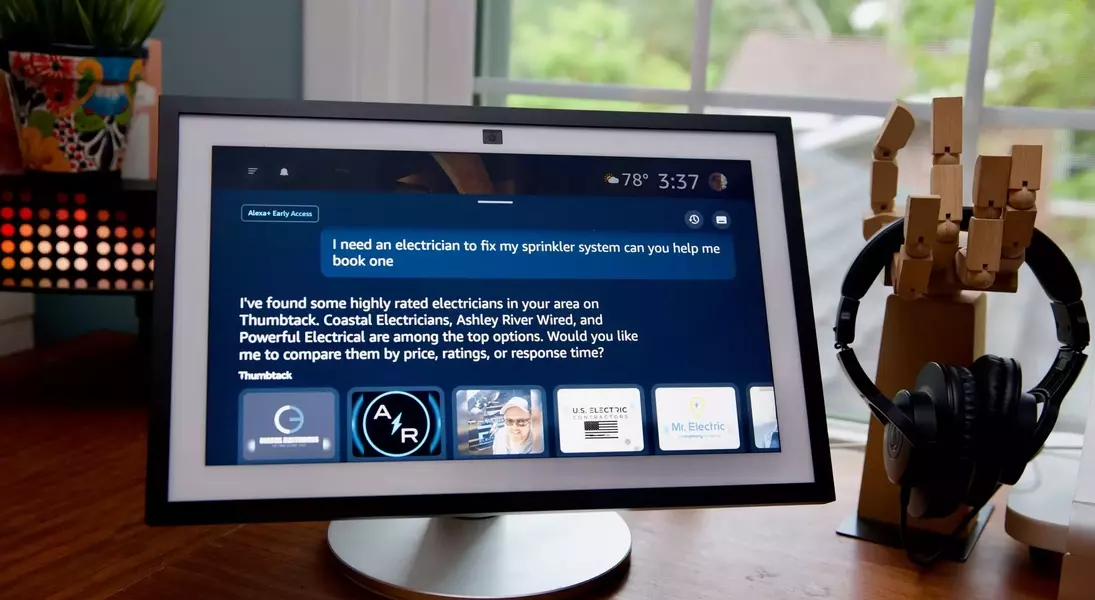
As AI assistants evolve, their ability to perform complex tasks and engage in more natural, multi-turn conversations becomes paramount. Alexa Plus's emerging agentic capabilities, such as navigating external websites to find services or information, highlight its potential to become an indispensable tool for daily life. However, user willingness to invest in these advanced AI features is still being evaluated across the industry. While other major AI players like OpenAI and Google offer various paid tiers for their sophisticated AI tools, Amazon faces the specific challenge of its Alexa ecosystem having traditionally been perceived as a free or low-cost service. Ultimately, the success of Alexa Plus will depend on whether its advanced features truly elevate the user experience, making it a compelling service worth paying for, especially in a market where users are increasingly wary of intrusive advertising within their personal technology.
