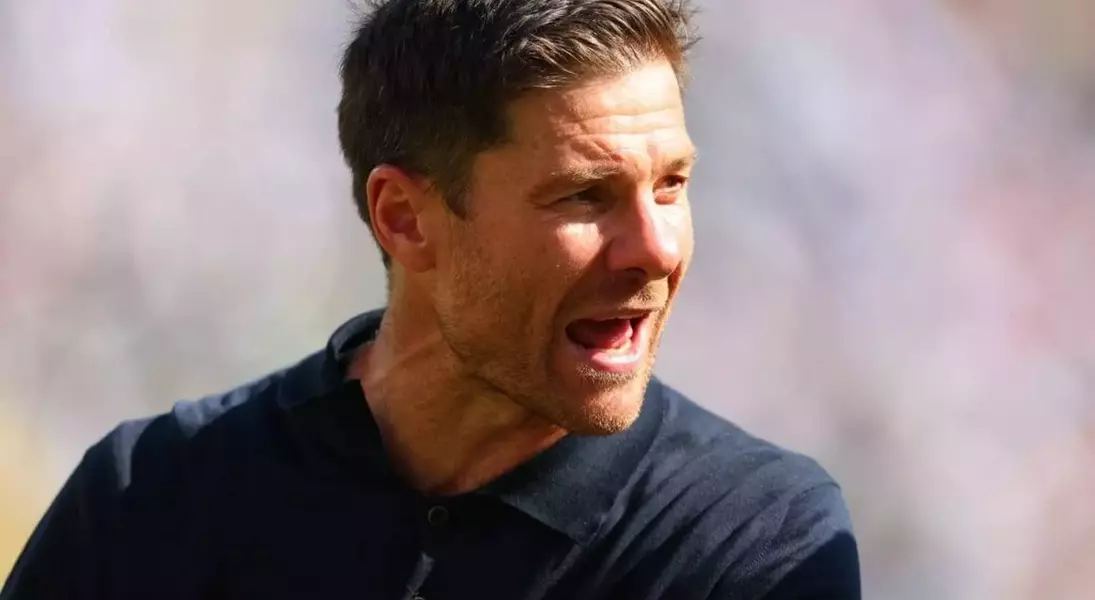
Real Madrid, a club where patience is a rare commodity and winning is the only option, stands at the cusp of a transformative era. The highly anticipated arrival of Xabi Alonso in June has heralded a new dawn in the Spanish capital, promising a departure from past strategies. His tenure, though in its infancy, has already showcased a meticulous approach to coaching, focused on forging a cohesive unit rather than relying solely on individual genius. This fundamental shift aims to infuse the squad with a tactical discipline previously unseen, setting the stage for a compelling evolution in their play style.
Alonso's Strategic Blueprint for Real Madrid
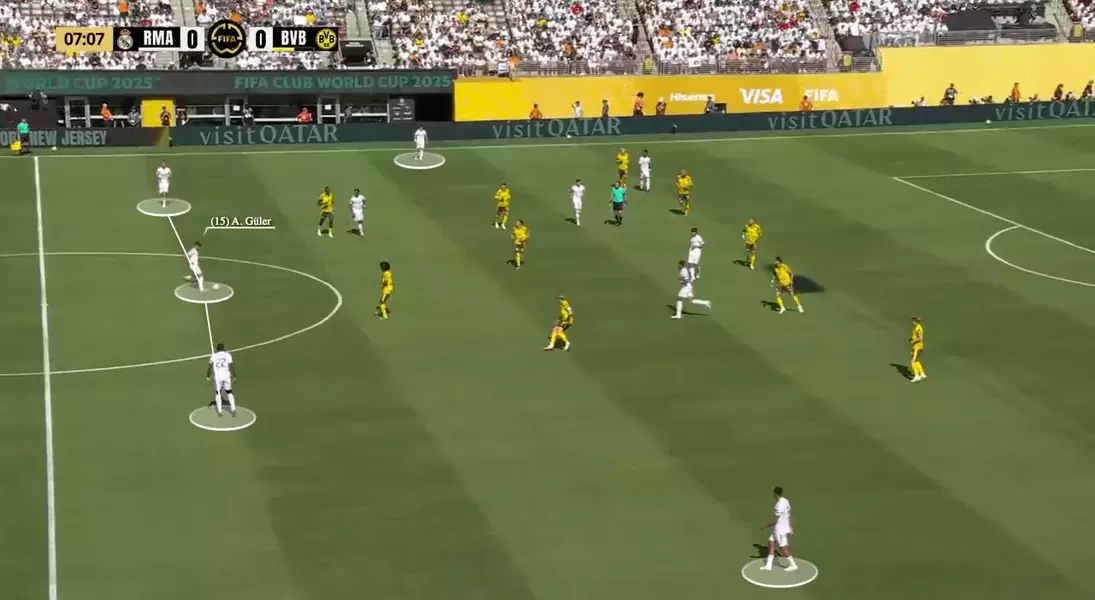
On July 5, 2025, during the FIFA Club World Cup Quarter-Final against Borussia Dortmund at MetLife Stadium in East Rutherford, New Jersey, the seeds of Xabi Alonso's tactical revolution began to sprout. Despite the daunting task of integrating new ideas under the intense pressure of a global tournament in the sweltering heat of the United States, Alonso leveraged these competitive matches as crucial experimental grounds. His training sessions, characterized by their intensity and the innovative use of drone footage for analysis, underscore a commitment to precision. Alonso himself acknowledged the invaluable insights gained from the tournament, stating, "This tournament has taught me many things about what we are and what we have to improve. I’m leaving with a perspective for next season, when we will recover players, and there will be changes. Next season will be different, but I leave with clear certainties. I take all the information that this tournament has given me." This proactive stance suggests an upcoming season where Madrid will increasingly embody Alonso's strategic vision.
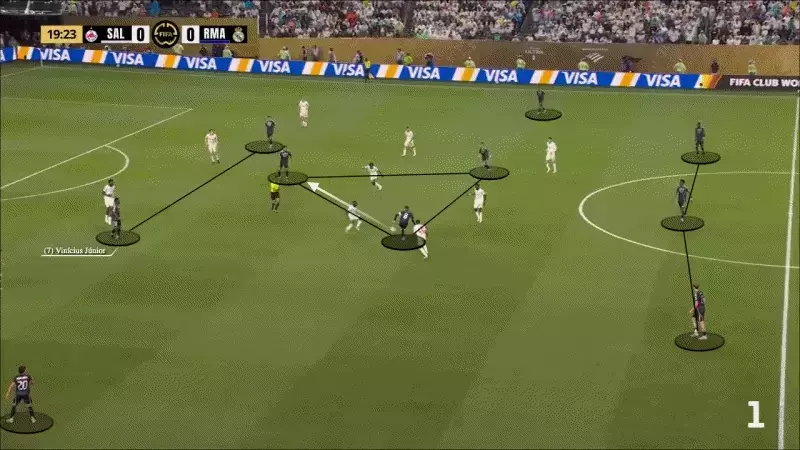
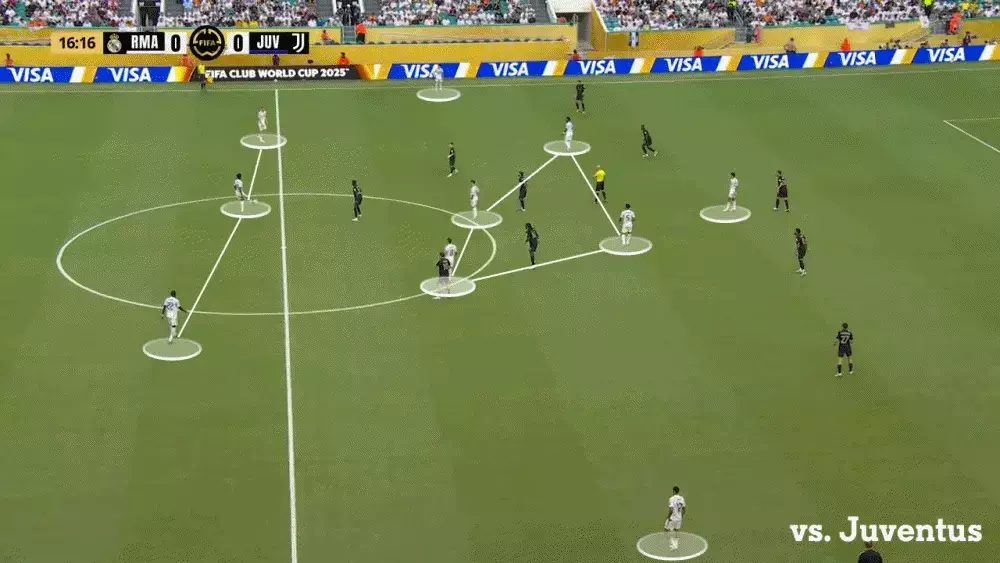
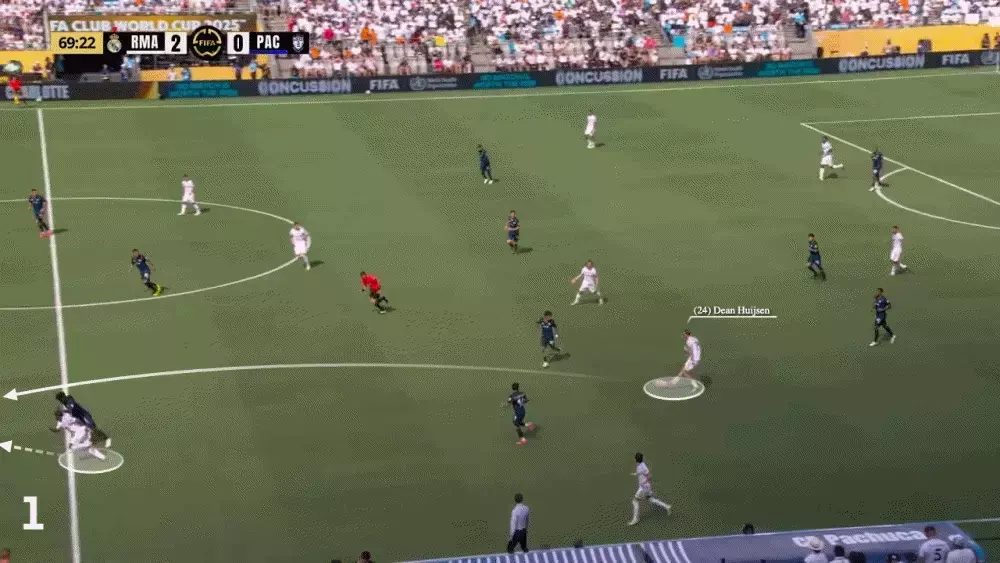
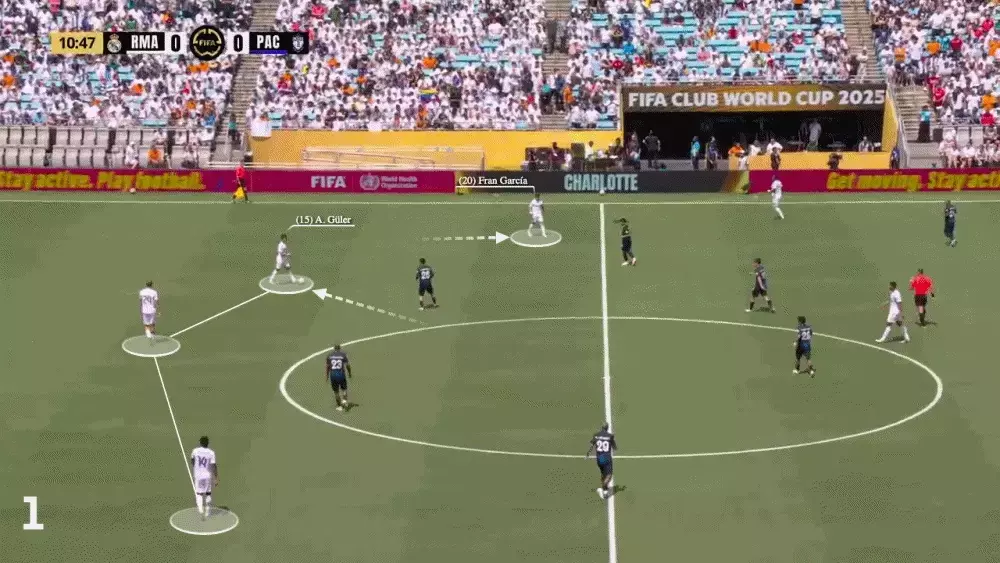
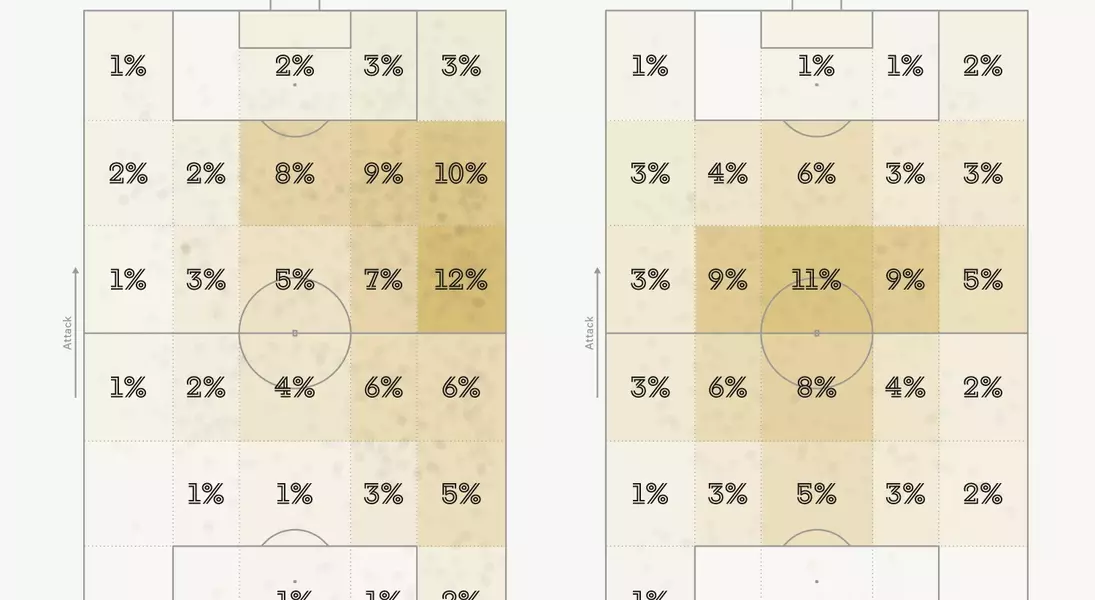
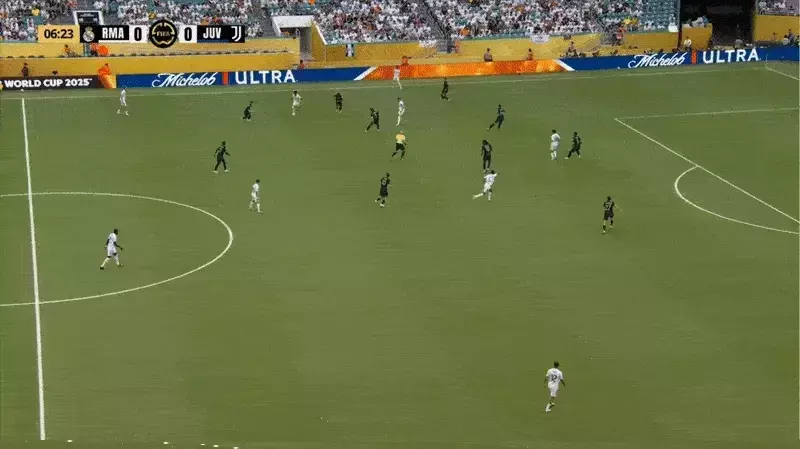
A key aspect of Alonso’s tactical philosophy is his exploration of formation flexibility. While the 4-3-3 remained a nominal setup during much of the Club World Cup, the former Leverkusen coach experimented with a back-three system. This saw midfielder Aurelien Tchouameni often dropping into a central defensive role, allowing wing-backs to push higher and midfielders to form a box. The fluidity of positions, particularly for players like Arda Guler and Federico Valverde, is a recurring theme. Guler, in particular, has excelled in a deeper, more central playmaking role, underscoring Alonso's desire for players to adapt to various game situations. Defensively, Alonso demands a collective effort, emphasizing that all eleven players must engage in pressing and maintain tight distances to prevent opponents from exploiting gaps. The early challenges, particularly during the semi-final clash against European champions Paris Saint-Germain, highlighted the work still needed to refine this aggressive pressing structure, especially concerning the defensive contributions of star forwards like Vinicius Jr and Kylian Mbappe. The strategic acquisitions of Dean Huijsen, whose progressive passing from the left side of defense has been a revelation, and Alvaro Carreras, a versatile left-back, further enhance Alonso's tactical options for ball progression. Additionally, the arrival of Trent Alexander-Arnold presents both opportunities and challenges for balancing the attack, as Alonso seeks to maximize his strengths while addressing the team's current lack of established right-sided attackers. The signing of Franco Mastantuono offers a new dimension, potentially filling this void. Despite the initial hurdles, Alonso's willingness to adapt and refine his strategies suggests a promising path forward for Real Madrid, as they prepare to contend for domestic and European honors against formidable adversaries.
From a journalistic perspective, witnessing Xabi Alonso's tactical overhaul at Real Madrid is nothing short of fascinating. It’s a bold declaration in a club often associated with individual flair, signaling a shift towards a more structured and cohesive identity. The challenges he faces are immense, from integrating new philosophies amidst high expectations to optimizing the roles of established superstars. Yet, this period of transition, marked by experimentation and meticulous planning, could lay the groundwork for a new golden age at the Bernabéu. It's a reminder that even in the most star-studded environments, the collective spirit and tactical ingenuity of a visionary coach can redefine a team's destiny. The upcoming season promises to be a captivating spectacle, as Alonso endeavors to sculpt his winning machine in the heart of Madrid.
