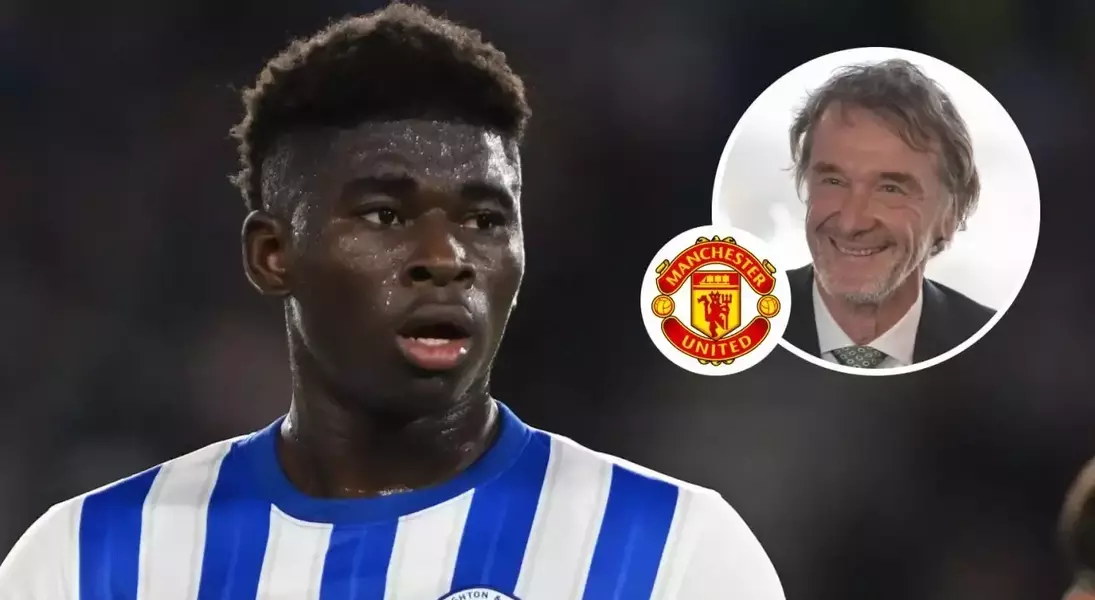
Manchester United's pursuit of Brighton & Hove Albion's talented midfielder, Carlos Baleba, continues to be a focal point in the summer transfer window. Despite earlier suggestions that United had withdrawn from negotiations due to Brighton's valuation exceeding £100 million, recent insights from financial experts indicate that the Manchester club possesses the necessary resources to complete the transfer if they choose to proceed. This ongoing saga highlights the intricate balance between player ambition, club valuation, and financial capability in the high-stakes world of professional football.
Manchester United's Bid for Carlos Baleba: Financial Feasibility and Future Prospects
In the vibrant summer of 2025, a compelling transfer narrative has captivated the football world, revolving around Manchester United's keen interest in acquiring the promising midfield sensation, Carlos Baleba, from Brighton & Hove Albion. Initial discussions between the clubs, facilitated by intermediaries, hit a significant roadblock when Brighton indicated a formidable asking price north of £100 million for the Cameroonian international. This valuation led to reports, particularly from David Ornstein of The Athletic on a recent Friday, suggesting that United had decided against pushing forward with the deal, perceiving the cost as prohibitive.
However, the plot thickened with a contradictory report from The Standard, which hinted at the potential revival of a deal for the 21-year-old. Adding weight to this perspective, football finance expert Dan Plumley, in an interview with Football Insider, asserted that Manchester United's financial might makes the transfer entirely affordable, should the club genuinely commit to it. Plumley highlighted United's available financial options, including credit facilities and a demonstrated history of staggering installment payments for other player acquisitions, underpinning their capacity to manage such a substantial outlay.
Despite the financial feasibility, Plumley cautioned that a £100 million-plus transfer fee might deter United from sealing the deal within the current transfer window, given their existing summer expenditure. He suggested that while the club could technically afford the move, such a significant investment might be more strategically aligned for a future transfer window. Interestingly, Baleba himself has expressed a strong desire to join the ranks at Old Trafford, implying that personal terms would pose no obstacle, even if it means deferring his dream move to a later date. This mutual interest, coupled with United's respectful dialogue with Brighton, underscores a dynamic where patience might be the ultimate play in securing this coveted talent.
The intricate dance of transfer negotiations often involves a delicate interplay of financial strategy, club ambitions, and player aspirations. The saga of Carlos Baleba and Manchester United is a prime example, reminding us that even with substantial financial backing, the timing and perceived value of an investment can significantly influence the outcome. It prompts reflection on whether immediate gratification or a long-term strategic approach yields the best results in the competitive landscape of football transfers.
