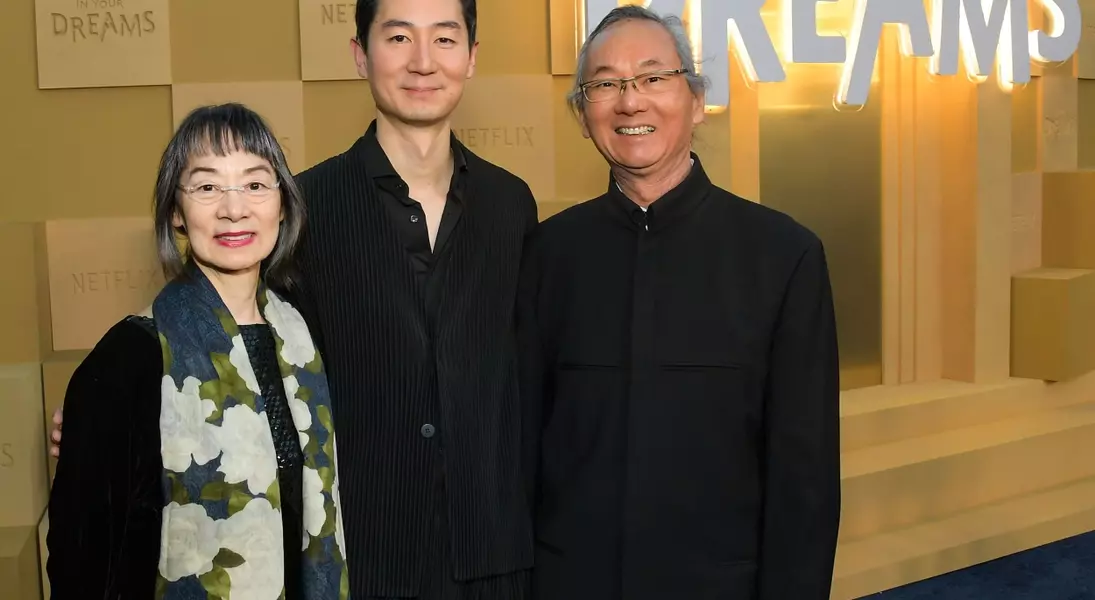
Filmmaker Alex Woo's inaugural feature, "In Your Dreams," reflects a deeply personal journey, drawing inspiration from his childhood experiences with family dynamics. As a former Pixar artist, Woo channeled his extensive animation background into creating a narrative that explores the complexities of familial relationships, particularly through the lens of a child's yearning for stability. The film, a product of years of dedication, showcases his commitment to crafting emotionally resonant stories that blend fantastical elements with relatable human struggles, underscoring the enduring nature of love and connection amidst life's inevitable challenges.
The creative process behind "In Your Dreams" highlights the director's philosophy that compelling storytelling hinges on authentic characters and profound emotional stakes. Woo's narrative approach, refined during his tenure at Pixar, is evident in the film's ability to tackle sensitive themes with both spectacle and sincerity. His personal journey, which saw his own family navigating similar challenges to those depicted in the movie, ultimately shaped the film's nuanced ending, offering a portrayal of family that is both realistic and hopeful.
The Genesis of 'In Your Dreams': A Personal Voyage
Director Alex Woo's animated feature, 'In Your Dreams,' delves into the intricate dynamics of family through a profoundly personal lens, reflecting his own childhood experiences. Woo recounts how the protagonist, Stevie, a 12-year-old girl, embarks on a quest in a dream realm to mend her fracturing family, a narrative directly inspired by his own deep-seated memories of his parents' marital difficulties. This core desire for family reunification, often dismissed in grand adventures, becomes Stevie's powerful and relatable motivation. Woo's journey from acclaimed short films to a decade at Pixar, where he contributed to classics like 'Ratatouille' and 'Wall-E,' honed his storytelling craft, preparing him to tackle such a heartfelt and ambitious project. His commitment to creating a film that resonates emotionally, built upon a foundation of genuine human experience, underscores the essence of 'In Your Dreams' and its universal appeal.
Woo's career, marked by projects that demand significant time and dedication, found its ultimate expression in 'In Your Dreams.' After leaving Pixar to co-found Kuku Studios, he embarked on crafting a story that could translate his personal recollections into a compelling cinematic experience. The film introduces 12-year-old Stevie and her 8-year-old brother, Elliot, who discover a magical book promising that a journey to the Sandman in the dream world can fulfill their deepest desires. For Stevie, this means repairing her parents' strained relationship, mirroring Woo's own childhood longing for familial stability. He recalls the profound fear and uncertainty he felt as a child when his mother temporarily left, a memory that instilled in him the understanding of a child's desperate wish for things to return to normal. This powerful, relatable desire became the emotional bedrock for Stevie's character, ensuring the fantastical premise was grounded in authentic, human stakes.
Navigating Life's Messiness: Art Imitating Life
Alex Woo's 'In Your Dreams' is a testament to the intricate relationship between personal life and artistic creation, as the film's development eerily paralleled his own family's struggles. During the production, Woo found himself mediating his parents' marital issues, a situation that provided profound insights into the film's ending and the messy realities of family life. This convergence of his personal narrative with the fictional story allowed him to craft a nuanced conclusion for Stevie's journey, one that acknowledges that love and stability can coexist with imperfection. The film's ultimate message, that families come together to clean up life's inevitable messes, reflects Woo's own understanding that certainty in relationships is elusive, yet the bonds of family remain strong. His Pixar background, emphasizing story and character, ensured that this emotional depth was communicated through inventive animation and compelling narrative, making 'In Your Dreams' a powerful exploration of family resilience.
The surreal timing of his parents' potential divorce, occurring while he was deeply immersed in crafting a story about a child's fear of losing her family, significantly influenced Woo's artistic direction. He flew to Hong Kong to assist his parents, uncertain if the fictional drama he was creating was about to unfold in his own life. While his parents ultimately remained together, this experience profoundly reshaped his understanding of their relationship and the concluding moments of his film. Earlier versions of the ending, which either depicted a forced reconciliation or a bleak separation, felt inauthentic. Through his personal ordeal, Woo realized that true honesty lay in ambiguity. The final cut of 'In Your Dreams' reflects this epiphany, with Stevie's closing narration acknowledging that her parents are 'still figuring things out,' and a scene where the family collaboratively tidies up a minor mishap, symbolizing life's ongoing challenges and the collective effort to overcome them. This profound understanding of life's inherent messiness, coupled with the enduring strength of family bonds, became a cornerstone of the film's message, a testament to Woo's proudest artistic achievement.
