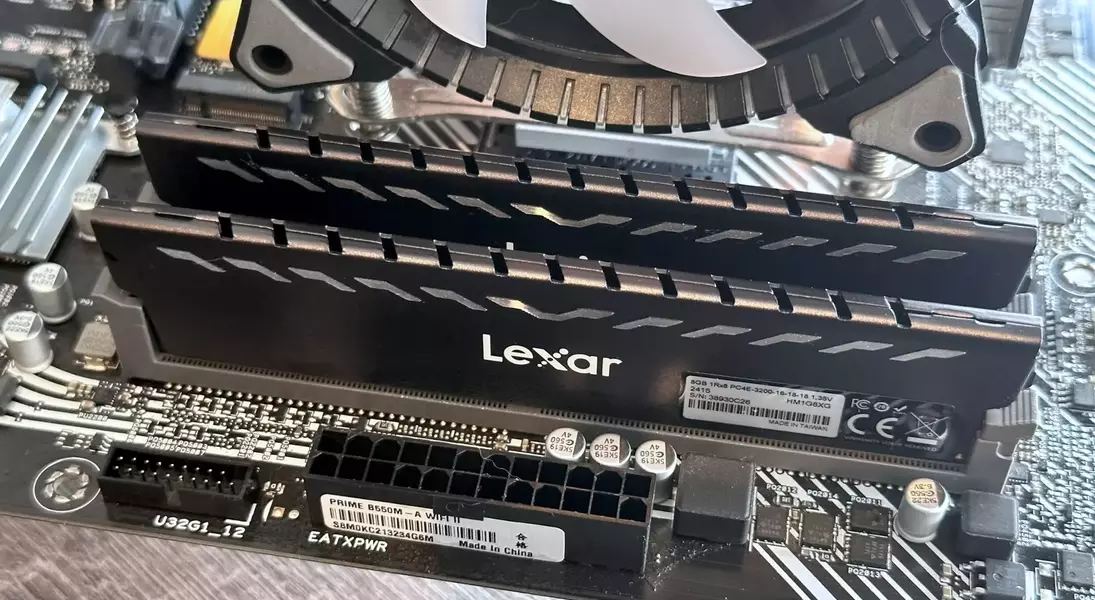


In today's dynamic technology landscape, personal computer enthusiasts and gamers frequently contend with market fluctuations impacting component availability and pricing. A significant concern revolves around the cost and scarcity of random access memory (RAM), a critical element for system performance. Industry leaders suggest that the current escalation in memory prices is not a temporary anomaly but an indicator of a more sustained trend, potentially influencing consumer purchasing decisions for the foreseeable future. This situation prompts an urgent call for prospective buyers to act decisively to mitigate the impact of anticipated market changes.
Wallace Santos, the chief executive of Maingear, a prominent system builder, recently shared insights that reinforce the gravity of the situation. According to Santos, the elevated prices observed for memory modules, which have seen considerable increases—for instance, a 64 GB DDR5 kit rising from approximately $170 to at least $600 within a few months—are a precursor to continued upward trends. He emphasizes that waiting for prices to drop might be a misguided strategy, as the market is unlikely to improve in the near term. Instead, he strongly recommends that individuals planning to enhance their systems, be it with new PCs or upgraded graphics cards, solid-state drives, or RAM, should explore current offerings before further price adjustments take hold.
Santos's statements underscore a broader challenge facing the PC hardware industry, where memory shortages are expected to deepen, possibly extending their effects until 2027. This long-term outlook suggests that the current difficulties are deeply rooted in supply chain dynamics and increasing demand, potentially fueled by emerging technologies such as artificial intelligence. While Maingear has, to date, absorbed some of these cost increases, the pressure on manufacturers and system builders is immense, indicating that these costs will eventually transfer to consumers in the form of higher retail prices.
The impact of these market conditions extends beyond just RAM. Other crucial components like graphics processing units (GPUs) and solid-state drives (SSDs) are also susceptible to similar pricing pressures and supply constraints. For example, recent shifts in how major GPU manufacturers like Nvidia distribute components—now providing only the GPU die and requiring partners to source VRAM independently—could lead to increased production costs and, consequently, higher retail prices for graphics cards. This interconnectedness of components means that a shortage in one area can ripple through the entire hardware ecosystem, affecting the overall cost and accessibility of PC builds and upgrades.
In light of these projections, the advice to purchase necessary hardware sooner rather than later gains significant weight. Consumers are encouraged to leverage current sales events, such as Black Friday deals, where some price offsets might still be available. Such proactive measures are presented as a prudent approach to navigate an increasingly challenging hardware market, ensuring that gamers and PC users can secure their desired upgrades before prices climb even higher and stock levels become severely limited. The current environment necessitates a strategic approach to PC component acquisition, favoring early action over a prolonged wait.
