
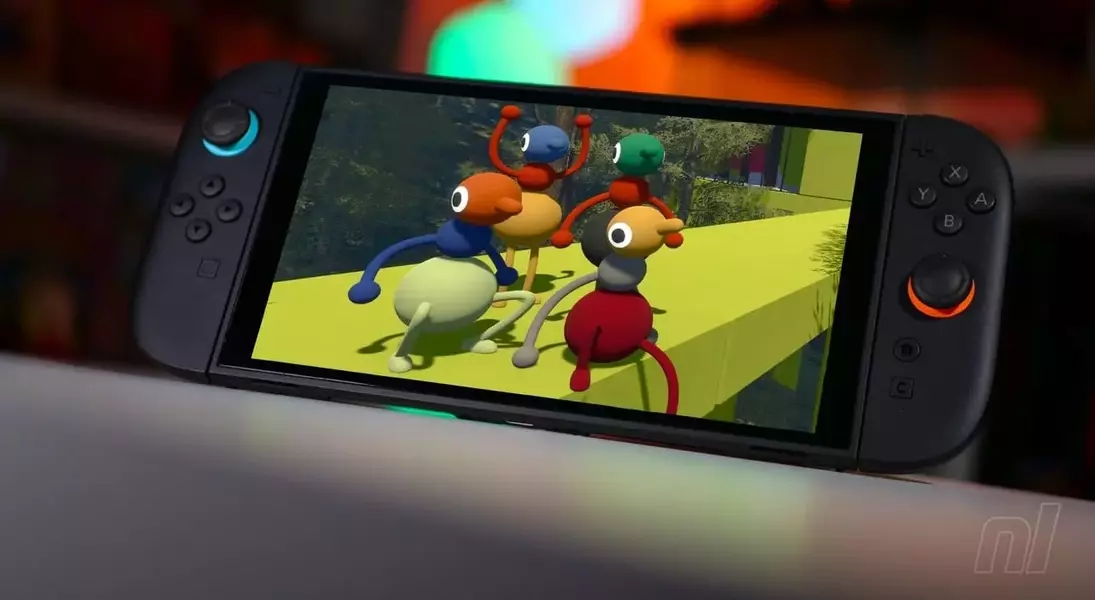
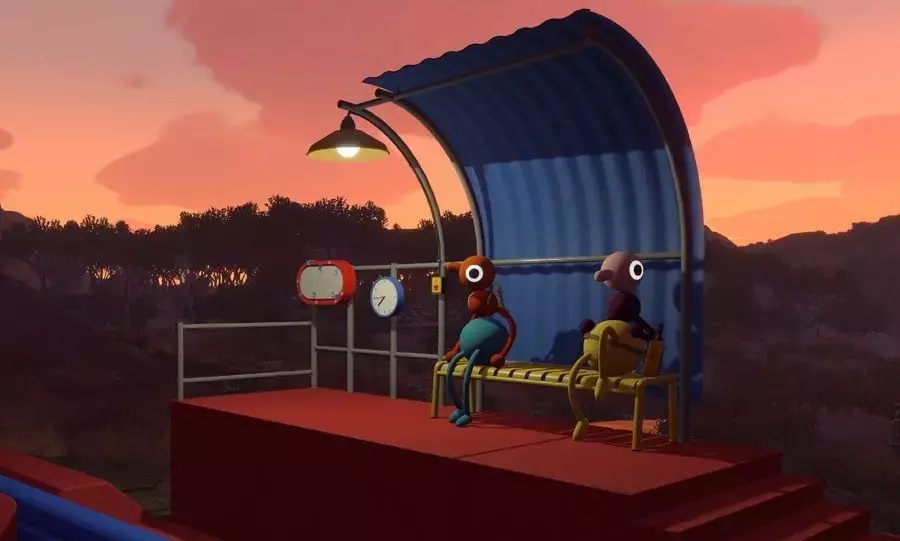
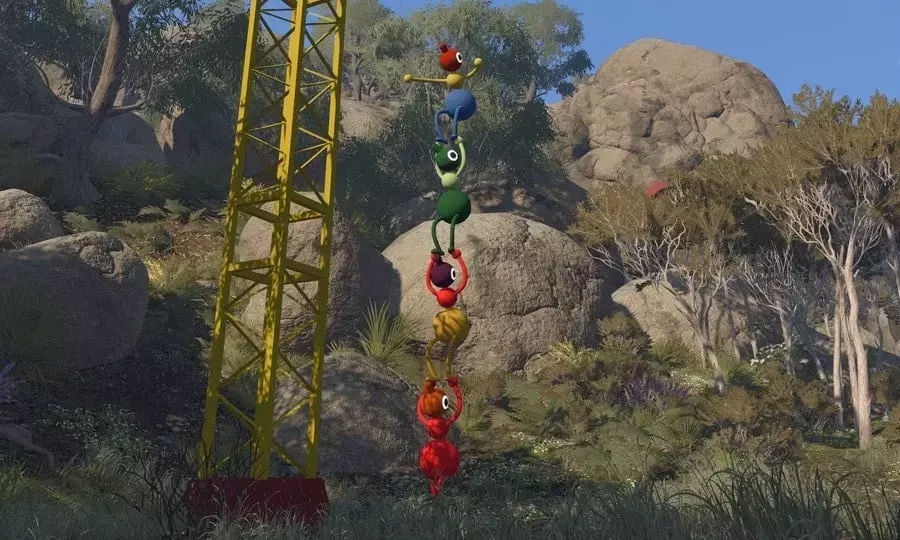
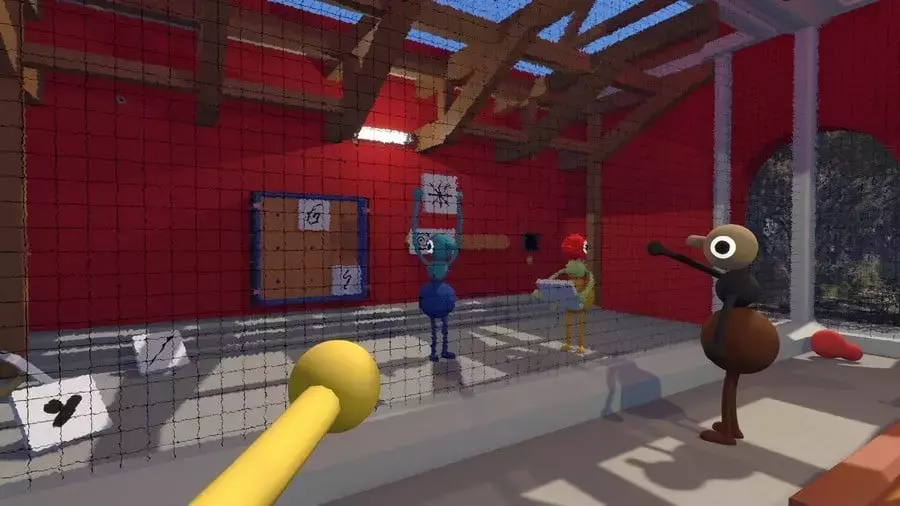
The recent disclosure by House House, the developers behind the acclaimed indie game 'Big Walk,' regarding their use of Large Language Models (LLMs) in development has reignited a passionate debate within the gaming industry. This incident sheds light on the complex ethical landscape surrounding artificial intelligence in creative fields, particularly discerning between AI's role in generating visible assets and its more concealed application in coding or bug fixing. The gaming community and industry leaders are grappling with how to define acceptable AI use, especially as these advanced tools become more widespread, challenging established norms and forcing a re-evaluation of what constitutes 'human-made' in game design.
Developer's AI Use in 'Big Walk' Ignites Industry-Wide Debate on Ethical Boundaries
In a significant development that has sent ripples through the gaming world, House House, the creators of the highly praised indie title 'Big Walk,' recently confirmed their use of Large Language Models (LLMs) during the game's development process. This revelation has intensified an ongoing, fervent debate within the video game community and among developers concerning the appropriate and ethical integration of artificial intelligence. The core of the discussion revolves around the nuanced distinctions between generative AI utilized for creating audio-visual elements and written content that players directly experience, versus its less apparent applications in back-end functions such as coding and debugging.
The controversy surrounding 'Big Walk' follows previous instances where AI integration in games like 'Clair Obscur: Expedition 33' led to disqualifications from prestigious awards, including the Indie Game Awards. These events underscore a growing sentiment among a subset of industry jurors and critics who advocate for a strict anti-AI stance, particularly against games incorporating any form of generative AI. However, the 'Big Walk' scenario presents a more intricate challenge: the developers claim their AI use was minimal, primarily involving a chatbot to resolve a specific coding issue within the Unity engine, affecting less than 0.1% of the game's code. This explanation prompts critical questions about where the line should be drawn between using AI as a problem-solving tool and relying on it for core creative or developmental tasks.
The situation is further complicated by figures like former Nintendo of America president Doug Bowser, who has publicly advocated for indie teams to leverage AI for workflow enhancements. This encouragement highlights the pressure developers face to adopt new technologies for efficiency, even as the ethical implications remain undefined and contentious. The gaming community is now confronted with reconciling their appreciation for critically acclaimed games like 'Big Walk'—which boasts an impressive 91 Metascore and has been praised by critics and players alike—with the discomfort some feel about AI's presence in their beloved titles. The debate is evolving, forcing players, developers, and critics to personally define their boundaries regarding AI in game development, especially when the line between a helpful tool and an ethical compromise becomes increasingly blurred and difficult to detect without explicit disclosure.
This evolving discourse surrounding AI in game development compels us to ponder the future of creative industries. As AI tools become more sophisticated and accessible, the distinction between human creativity and machine assistance blurs. The 'Big Walk' case serves as a poignant reminder that while technology can offer unprecedented efficiency, it also necessitates a constant re-evaluation of ethical standards and transparency. It challenges us to consider not just the final product, but the integrity of the creative process itself, and how we, as consumers and creators, choose to define and uphold these values in an increasingly AI-driven world.
