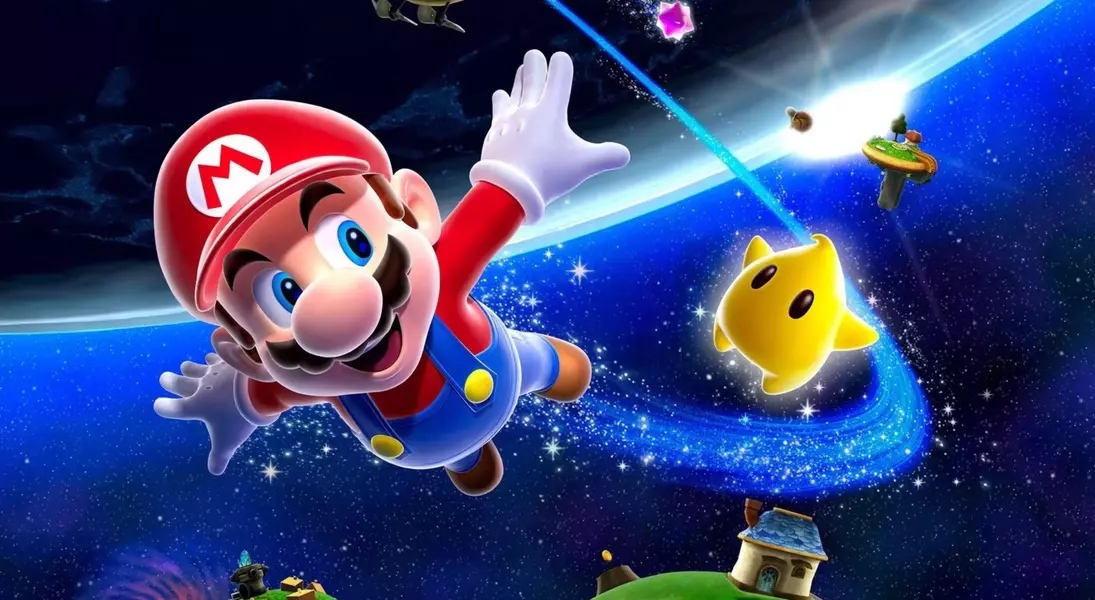
The preservation of video games has long been a significant challenge for the industry, with a substantial number of classic titles facing the risk of being lost. This scarcity has often driven enthusiasts to resort to unofficial means to access and maintain gaming history. In a notable shift, one of the leading names in gaming is now formally engaging in preservation initiatives.
Nintendo Takes Steps Towards Digital Preservation with Archivist Hiring
Nintendo of America has recently posted a job opening for a digital archivist, a role designed to develop and implement a structured system for organizing the company's technical records, engineering documentation, source materials, and institutional knowledge related to its older platforms and systems. This 12-month contractual position aims to safeguard Nintendo's historical assets for future generations. This development comes after the company faced criticism from the preservation community in 2022, particularly from the Video Game History Foundation, which expressed strong disapproval over Nintendo's decision to close the Wii U and 3DS eShops, deeming it detrimental to video game history.
While industry organizations like the Video Game History Foundation have made considerable progress in archiving gaming artifacts, direct involvement from major corporations owning intellectual property and hardware is crucial. Other prominent companies such as Sony and Blizzard have already established their own archives. Nintendo's decision to actively participate in this trend is seen as a positive step, especially given its extensive influence on the history of the medium. Although these corporate archives are typically private and for internal use, meaning direct access for the average gamer remains limited, any effort towards preservation is a welcome development in ensuring the legacy of video games endures.
A Crucial Step Towards Securing Gaming's Legacy
This initiative by Nintendo highlights a growing recognition within the video game industry of the critical importance of preserving its rich history. From a journalistic perspective, it's heartening to see a company with such a profound impact on gaming culture acknowledge its responsibility in safeguarding its past. While the privacy of these archives might limit immediate public access, the very act of systematically cataloging and preserving these assets lays a vital foundation. This move could inspire other major developers and publishers to intensify their preservation efforts, ensuring that the stories, innovations, and experiences embedded in classic games are not lost to time, but instead available for future study and appreciation. It's a reminder that cultural heritage, even digital, demands proactive stewardship.
