

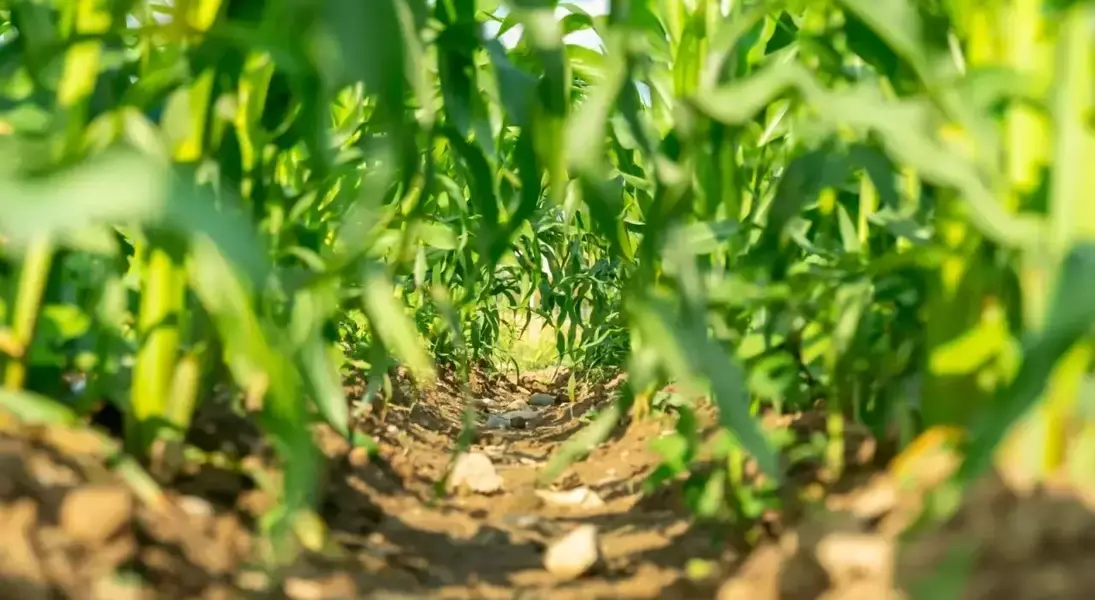
A new era in agriculture is dawning with the advent of compact corn varieties, a scientific breakthrough poised to redefine farming practices. These innovatively developed plants, a result of dedicated genetic research, promise enhanced resilience and increased productivity, even in challenging environmental conditions. Their smaller size offers a multitude of benefits, including improved pollination, robust structural integrity, simplified management, and the ability to optimize land use through denser cultivation. This shift towards more compact corn is not merely an incremental improvement; it signifies a fundamental change in how corn is grown, addressing contemporary agricultural challenges and paving the way for more efficient and sustainable food production systems.
For years, conventional corn cultivation has faced an uphill battle against unpredictable weather patterns and various environmental stresses, making consistent high yields a constant challenge. However, pioneering research has led to the development of genetically modified corn with a reduced stature, specifically engineered to withstand these pressures. This initiative gained significant traction after a severe windstorm in Idaho in 2020 decimated a substantial portion of the state's corn crop. Scientists from Bayer, in collaboration with university geneticists and Stine Seed, embarked on a mission to breed corn varieties that would be less susceptible to such damages. Their focus was on isolating and removing genes responsible for excessive height, while simultaneously preserving or enhancing those that contribute to vigorous growth, dense foliage, and prolific kernel formation. The outcome of these efforts is the compact corn currently undergoing trials on hundreds of farms, demonstrating remarkable potential for maintaining or even surpassing the yields of their taller counterparts across diverse growing environments.
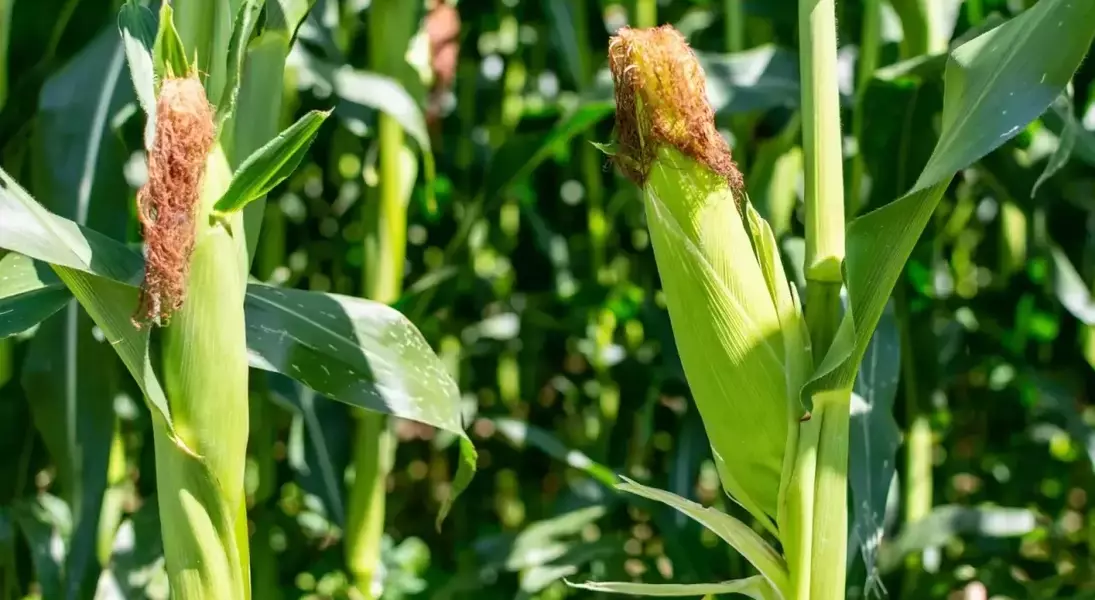
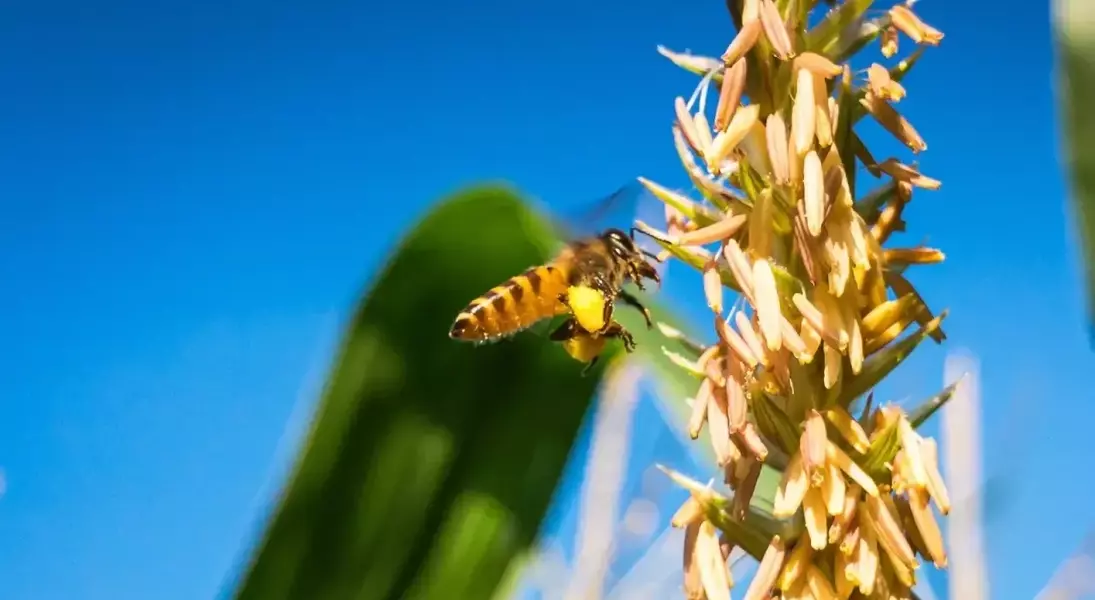
The inherent advantages of these shorter corn plants extend beyond just wind resistance. Their compact architecture facilitates superior growth and more effective pollination. With a reduced distance between leaf internodes, the silks are positioned more closely, making the transfer of pollen between plants significantly more efficient. Despite their diminished height, these varieties maintain a growth rate comparable to traditional corn, with their more accessible leaves maximizing sunlight absorption for optimal development. Furthermore, the stalks of these compact plants are notably denser and stronger, providing superior anchorage in the soil. This enhanced structural integrity allows them to remain upright, even when heavily laden with cobs or after heavy rainfall, thereby preventing lodging—a common issue in densely planted conventional cornfields. Standing stalks also inherently reduce the risk of disease, as fallen plants are prone to rot and harbor pathogens.
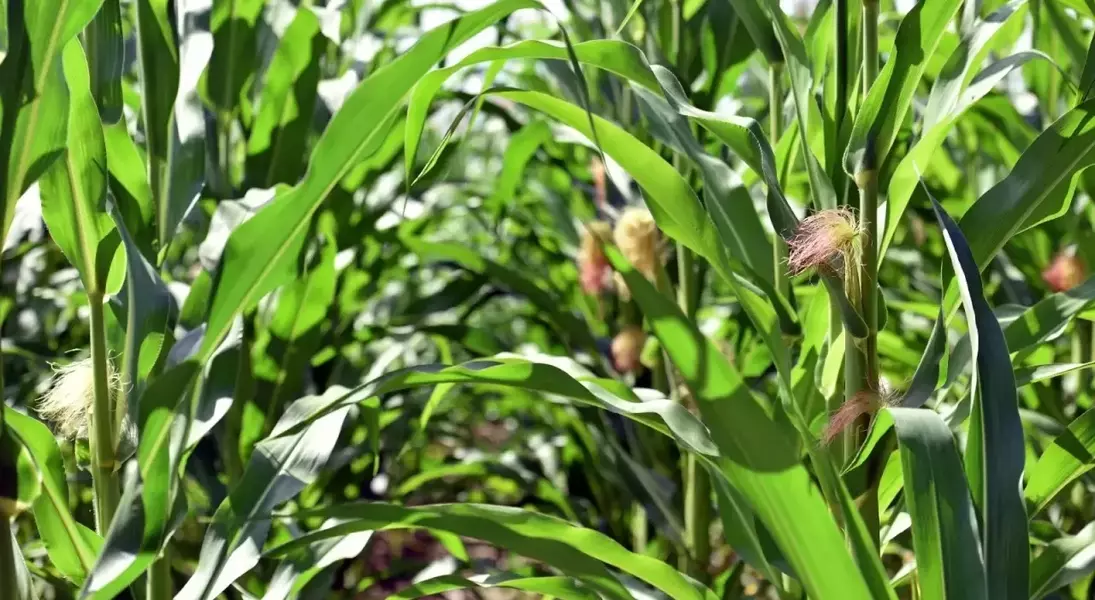
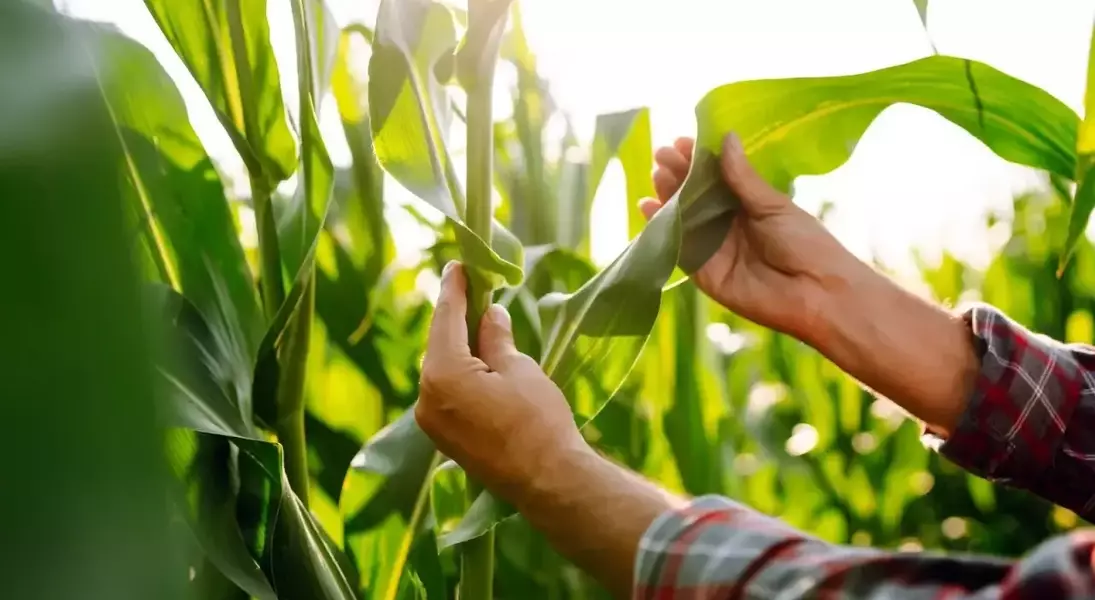
Operational benefits are also considerable. The reduced height of these plants simplifies many aspects of farm management. For instance, the need for aerial pesticide application, which carries risks to local wildlife and adjacent ecosystems, is eliminated. Farmers can instead utilize ground-based methods, such as walking through fields or employing tractors, for more targeted and controlled pest management. This not only enhances efficiency but also minimizes environmental impact. Moreover, the compact nature of these varieties opens up new possibilities for land utilization. Smaller farms, traditionally deterred from growing corn due to the extensive space required, can now consider cultivating this crop with intensive planting strategies. Existing corn farms can further increase their output by planting more plants per acre. This increased planting density, coupled with the plants' inherent robustness, contributes to greater disease resistance and improved silage quality, offering more biomass for livestock feed. Perhaps most crucially, these new varieties exhibit superior adaptability to a range of environmental conditions, including high winds, less fertile soils, and shorter growing seasons, providing farmers with a robust solution to modern agricultural challenges. While still in early stages of broad availability, these promising new corn types signify a transformative step forward for global food production.
The cultivation of these innovative, compact corn varieties represents a pivotal shift in agricultural paradigms. Their ability to deliver consistent and potentially increased yields under various environmental pressures highlights a significant stride towards more sustainable and efficient farming. As these new types become more widely accessible, they hold the promise of empowering farmers, regardless of farm size, to optimize their land and resources, ultimately bolstering food security and agricultural resilience worldwide.
