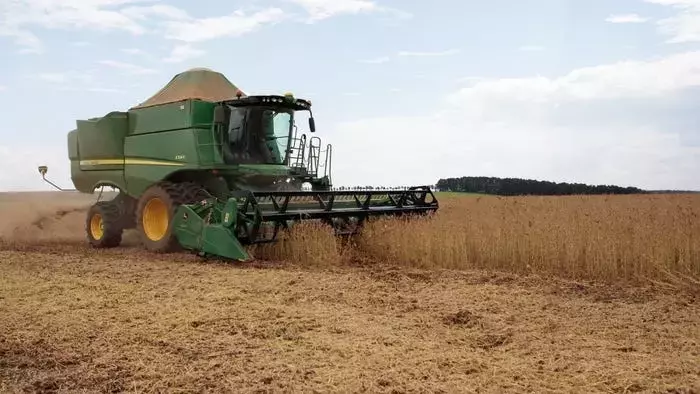
The agricultural machinery sector in the United States is currently navigating a period of significant contraction, as detailed by a recent report from the Association of Equipment Manufacturers (AEM). This analysis sheds light on the ongoing challenges facing farmers and equipment dealers, particularly concerning the sales performance of large-scale machinery. While there are glimmers of hope in certain segments, the overall picture suggests a cautious market influenced by various economic factors.
Detailed Report on Agricultural Equipment Market Trends
On a bright summer day in July 2025, Mike Pearson, a notable farm broadcaster, shared crucial insights into the current state of the U.S. agricultural equipment market. According to the June 2025 AEM report, the industry is experiencing a mixed bag of fortunes. Sales figures indicate a continued slowdown in the high-horsepower equipment categories, impacting the acquisition of crucial machinery like combines and large tractors.
Specifically, the data reveals a year-over-year decline in total tractor sales by 4.5%. However, a closer look uncovers a nuanced trend: tractors under 40 horsepower saw a minimal 1% decrease, and those between 40 to 100 horsepower experienced only a 2% dip. This suggests a potential rebound or stabilization in the utility and subcompact tractor markets, offering a ray of hope for manufacturers and dealers focusing on these segments.
Conversely, the heavier machinery segments continue to struggle. Tractor sales exceeding 30 horsepower plummeted last month, with 4-wheel drive units experiencing a sharp 42% reduction. The numbers are stark: only 178 of these robust machines were sold, a significant drop from the 300 units sold during the same period in 2024. The combine market faced an even more challenging scenario, with a staggering 45% decline in June compared to the previous year, moving only 259 units. The year-to-date figures for combines are equally grim, with a 43% decrease, translating to merely 1,500 combines sold in the first half of the year, down from 2,600 in the first six months of 2024. Overall, total tractor sales year-to-date have seen an 11% reduction compared to 2024.
Market analysts attribute this downturn to several interlocking factors. Rising interest rates are making equipment financing more expensive, directly impacting farmers' purchasing power. Concurrently, a tight equipment financing landscape further constrains access to capital for new acquisitions. Furthermore, farmers are adopting a more conservative investment strategy, opting to defer large capital expenditures amidst economic uncertainties. Despite these challenges, some experts suggest that the current environment could present a unique "buyer's market," especially for large-scale farm operations or fleet buyers looking to secure favorable deals on depreciated assets.
This ongoing market adjustment highlights the dynamic and often unpredictable nature of the agricultural industry, underscoring the importance of adaptability and strategic planning for all stakeholders involved.
From a journalist's perspective, this report highlights the profound connection between macroeconomic policies and the ground-level realities of the agricultural sector. The fluctuating sales of farm machinery serve as a sensitive barometer for the financial health and confidence of the farming community. The current slump in large equipment sales isn't just about numbers; it reflects farmers' cautious approach to investment in an era marked by economic headwinds. It prompts us to consider the ripple effects of rising interest rates and tighter credit on food production, supply chains, and ultimately, consumer prices. As observers, we are reminded that the resilience of agriculture relies not only on good harvests but also on the economic stability that enables farmers to invest in the tools necessary for their crucial work. Perhaps, this period of adjustment will also spur innovation in financing models and equipment utilization, encouraging more sustainable and cost-effective practices within the industry.
