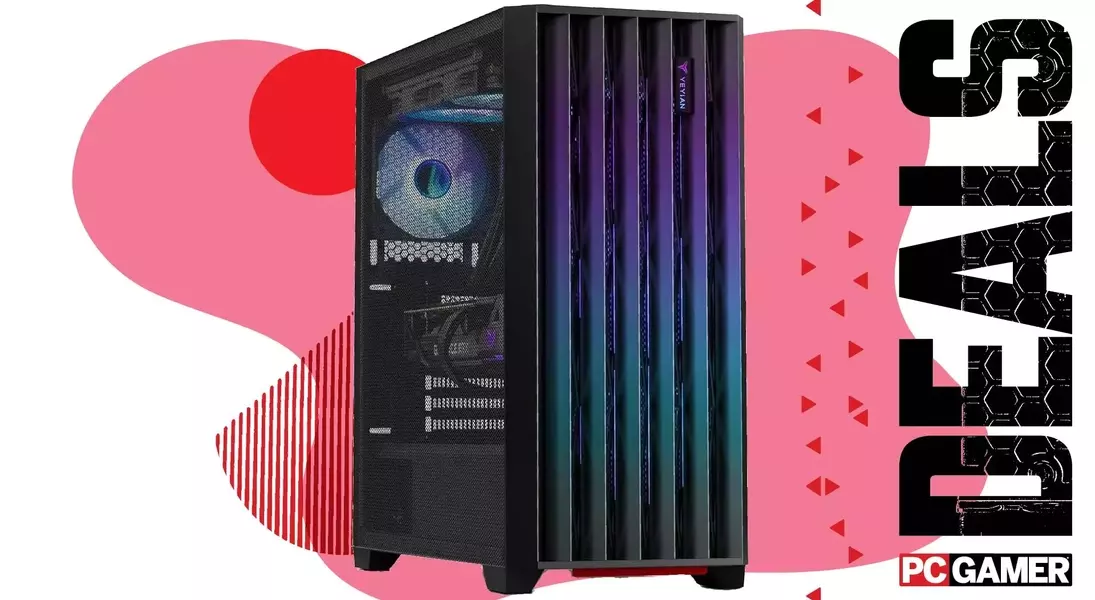
In the current gaming hardware landscape, where component costs are often prohibitive, AMD-based gaming PCs are carving out a significant niche by offering remarkable value. This analysis highlights how systems equipped with AMD's RX 9070 XT graphics card and Ryzen 7 7800X3D processors are providing superior performance per dollar, especially when compared to their Nvidia counterparts, particularly in the competitive mid-to-high-end segment.
Unbeatable Performance Meets Unbeatable Price: The AMD Gaming PC Advantage
The Shifting Value Landscape of Gaming PCs: Why AMD is Gaining Ground
The market for gaming computers has been characterized by considerable price volatility, especially with recent global supply chain disruptions impacting RAM and other critical components. Despite these challenges, AMD-driven configurations continue to deliver compelling value, particularly for systems priced between $1,500 and $2,200, a segment where many gamers seek optimal performance without breaking the bank.
Examining a Prime Example: The iBuyPower RX 9070 XT System
A notable example of this trend is an iBuyPower PC, retailing for approximately $1,800. This machine stands out by featuring a robust RX 9070 XT graphics card alongside a Ryzen 7 7800X3D processor. Even though the CPU might be a previous generation model, its gaming performance remains stellar, making it a top choice for both mid-range and high-end gaming setups. This system also includes a generous 32GB of DDR5 RAM, a significant advantage given the rising costs of memory, and a 1TB SSD for ample storage.
Comparing AMD's Value Proposition to Nvidia's RTX 5070 Ti
In contrast, a comparable Nvidia RTX 5070 Ti gaming PC, such as the Yeyian Phoenix Mesh, typically commands a higher price of around $2,000. While equipped with an Intel Core Ultra 7 265F, a competent processor, it doesn't match the gaming prowess of AMD's 7800X3D. Although the Nvidia system offers more storage, the overall performance-to-price ratio often favors the AMD build.
The Evolving Feature Set: FSR's Impact on the Competitive Edge
Both the RX 9070 XT and RTX 5070 Ti graphics cards offer similar performance levels. Historically, Nvidia has held an edge in features like ray tracing and upscaling technologies. However, with the introduction of AI-powered frame generation in AMD's FSR (FidelityFX Super Resolution) and significant improvements in its upscaling capabilities, the gap in feature sets has narrowed considerably. This development means that the choice between the two often comes down to raw performance and price.
The Holistic Advantage of Choosing AMD for Gaming
Considering all factors—performance, price, and evolving features—the RX 9070 XT powered by the Ryzen 7 7800X3D emerges as the more advantageous option for high-value, entry-high-end gaming. This configuration is perfectly capable of delivering smooth gameplay at 1440p and even handling many titles at 4K, possibly with minor setting adjustments or upscaling. Additionally, AMD GPUs traditionally offer better compatibility with Linux, providing an added benefit for users considering alternative operating systems, though the reliability differences between AMD and Nvidia on Linux have become less pronounced over time.
The Ultimate Deciding Factor: Performance per Dollar
Ultimately, when prioritizing raw performance relative to cost, the RX 9070 XT system paired with the Ryzen 7 7800X3D processor presents a significantly more appealing package, solidifying AMD's position as a leader in delivering high-value gaming experiences.
