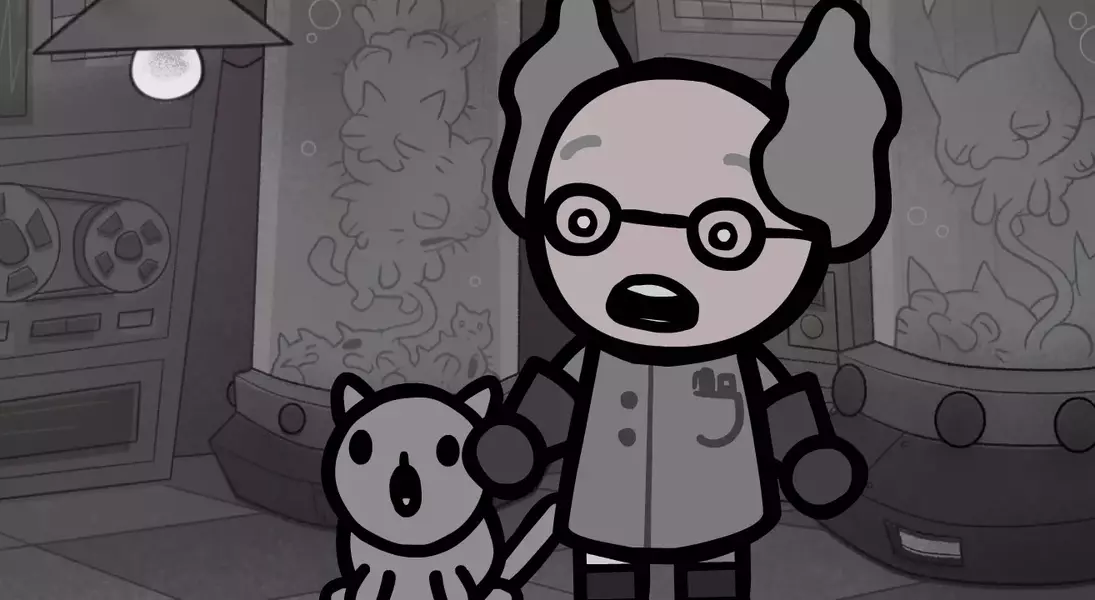
Adobe is set to discontinue its animation software, Adobe Animate, a tool with deep roots in the Flash animation era that helped shape the visual identity of early web games and continues to be used in modern productions like 'Star Trek: Lower Decks.' This move has sparked considerable frustration among animators and game developers, who are now left contemplating the future of their creative workflows.
Adobe Animate's End of an Era: A Detailed Look at the Discontinuation
Adobe has announced the impending discontinuation of its long-standing animation software, Adobe Animate. Starting March 1, the software will no longer be available for new purchases. For existing enterprise clients, access and technical support will extend until March 1, 2029, while individual licensees will have until March 1, 2027, to utilize the program. This decision marks the end of an era for a tool that, under its previous incarnation as Flash, was a foundational element in web animation and interactive media throughout the late 1990s and 2000s.
The announcement has elicited a strong response from the creative community. Tyler Glaiel, a prominent figure in Flash game design and one of the animators behind the upcoming game 'Mewgenics'—a project heavily reliant on Adobe Animate for its distinctive visual style—expressed his discontent, urging Adobe to consider open-sourcing the software instead of simply phasing it out. Adobe, in its official FAQ, attributed the discontinuation to the evolution of technology and the emergence of new platforms that better cater to user needs, recommending transitions to other Adobe applications like After Effects for specific functionalities. However, the future of continued access for users beyond the stated support periods remains ambiguous, particularly given Animate's subscription-based model of $34.49 per month.
This situation underscores a broader challenge faced by creators when proprietary tools, especially those deeply embedded in historical creative workflows, are retired. The move forces a reevaluation of production pipelines and potentially impacts the artistic styles that were once uniquely enabled by these tools. The call for open-sourcing highlights a desire within the community to preserve and evolve these technologies independently, ensuring their legacy and utility beyond corporate support cycles.
