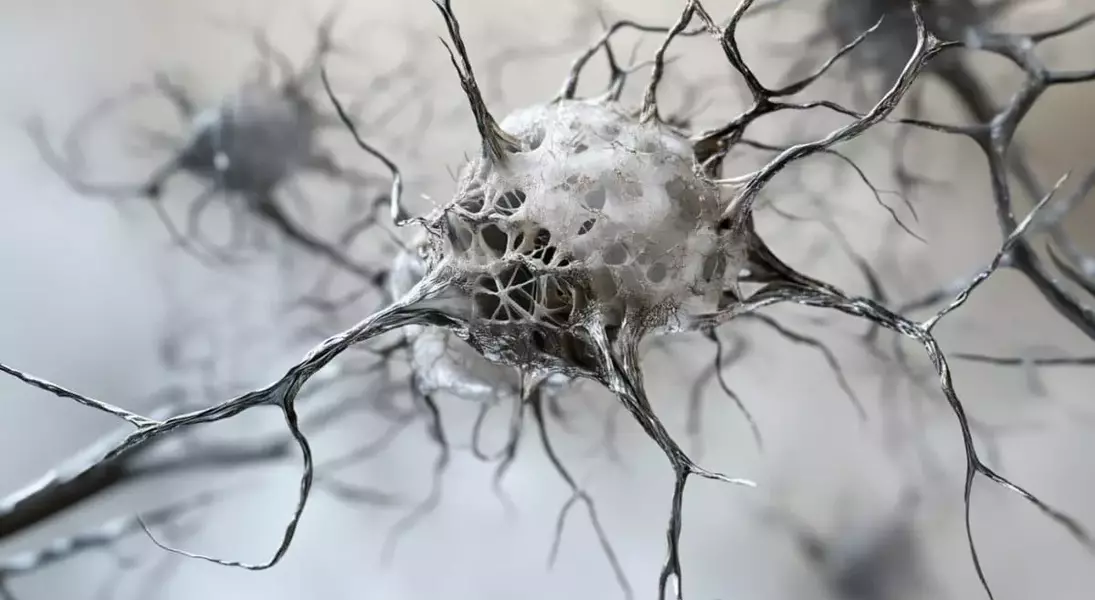
Recent scientific advancements have unveiled the fascinating ability of neurons to adapt their migration strategies based on environmental conditions. This groundbreaking discovery centers around a mechanosensitive protein channel known as PIEZO1, which enables neurons to modify their movement patterns when navigating through confined spaces versus open surfaces. The implications of this research extend beyond neurodevelopment, potentially influencing treatments for brain injuries and cancer metastasis.
The study highlights that neurons employ distinct mechanisms depending on the terrain they encounter. While moving across flat surfaces, they utilize pulling forces, whereas in tight, three-dimensional environments, they switch to pushing forces. This shift is orchestrated by PIEZO1, which activates specific signaling pathways to facilitate neuron passage through narrow areas.
Understanding Mechanosensing in Neuronal Movement
Neurons exhibit remarkable adaptability in their migration processes, driven by the mechanosensitive protein PIEZO1. When encountering confined spaces, PIEZO1 triggers a calcium influx, prompting the nucleus to move forward and enabling neurons to squeeze through restricted areas. This mechanism challenges previous assumptions about fixed migration types and opens new avenues for understanding neuronal behavior.
In-depth analysis reveals that during migration, neurons rely on different motor proteins depending on the environment. In two-dimensional settings, actomyosin concentrates at the front, generating traction force. However, in three-dimensional confinement, this machinery shifts to the rear, creating contractile forces that propel the cell forward. Researchers confirmed the pivotal role of PIEZO1 by observing impaired migration in neurons lacking this protein when navigating confined spaces. These findings underscore the significance of PIEZO1 in facilitating neuronal movement through complex brain architecture.
Potential Implications for Medical Treatments
Beyond elucidating fundamental biological processes, this research holds promise for medical applications. By enhancing our understanding of how neurons navigate through confined spaces, scientists may develop therapeutic techniques to restore brain function following injury. Moreover, insights into cell migration could inform treatments for various conditions, including developmental disorders and metastatic cancer.
Given the parallels between neuronal and cancer cell migration, comprehending these adaptive strategies could revolutionize diagnostic and therapeutic approaches. Cancer cells, like neurons, must traverse diverse tissue environments during metastasis, potentially employing similar mechanisms. As such, unraveling the intricacies of mechanosensing in neuronal migration not only advances neurodevelopmental knowledge but also provides valuable insights into broader biological phenomena. Continued exploration in this field promises to deepen our understanding of how cells navigate within the human body, paving the way for innovative medical interventions.
