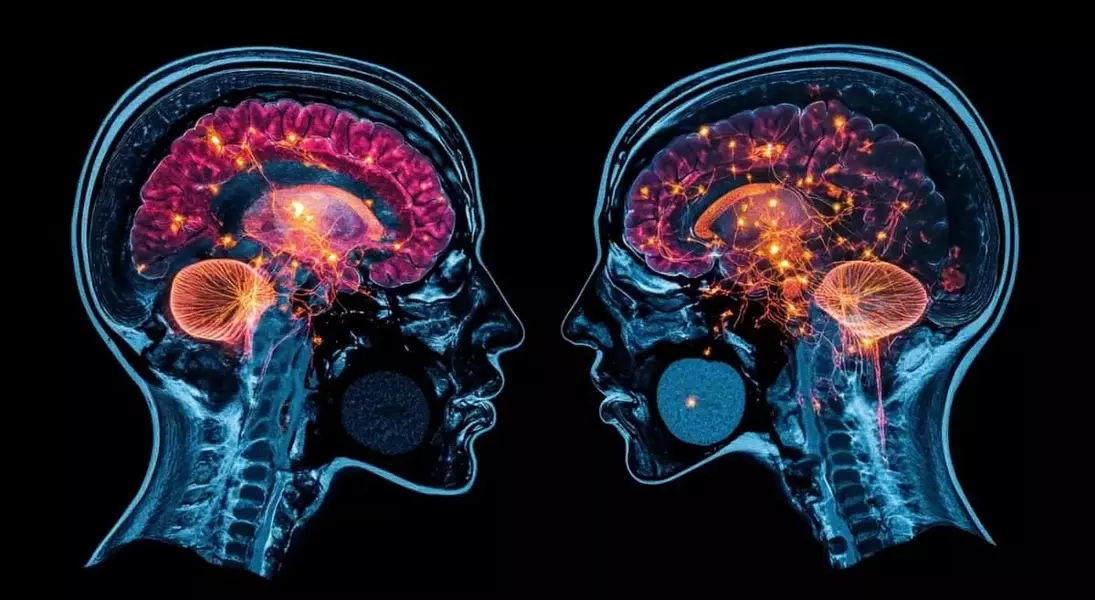
New evidence sheds light on how chemotherapy treatments can profoundly alter brain connectivity in breast cancer patients, leading to cognitive challenges often referred to as "chemo brain." This groundbreaking research not only identifies the regions affected but also reveals the progressive nature of these changes over time.
Understanding the Evolution of Chemo-Induced Cognitive Impairment
In a recent investigation published by Wiley, researchers have delved into the complex relationship between chemotherapy and its effects on brain functionality. The study's findings provide a clearer picture of why many breast cancer patients experience significant cognitive difficulties during and after treatment.
Breast Cancer Treatment and Neural Networks
The exploration of how chemotherapy influences neural networks is crucial for understanding patient experiences. Utilizing advanced imaging techniques, scientists observed distinct disruptions within critical areas of the brain responsible for executive functions and memory retention. These observations were made possible through longitudinal studies that tracked participants' brain activity at multiple stages throughout their treatment regimen.
One key discovery was the notable alteration in the frontal-limbic system, an area vital for decision-making processes. Additionally, changes were noted in the cerebellar cortex, which plays a pivotal role in maintaining memory capabilities. As chemotherapy progresses, these modifications become more pronounced, suggesting a cumulative effect that intensifies over time.
Progression of Functional Connectivity Alterations
As treatment advances, so too does the extent and severity of functional connectivity alterations within the brain. Researchers found that these changes are not static; instead, they evolve dynamically with each cycle of chemotherapy administered. This dynamic progression highlights the need for continuous monitoring and assessment of patients undergoing such treatments.
For instance, initial scans might show minor deviations from normal patterns, but subsequent evaluations reveal increasingly severe disruptions across various regions of the brain. Such findings underscore the importance of early intervention strategies aimed at mitigating potential long-term cognitive impairments associated with chemotherapy.
Clinical Implications and Future Directions
The implications of these findings extend beyond mere scientific curiosity; they carry significant weight in clinical practice. By identifying specific areas of the brain most susceptible to chemotherapy-induced changes, healthcare providers can develop targeted interventions designed to preserve or restore cognitive function in affected individuals.
Moreover, this research opens doors for future investigations into alternative therapies that may reduce the adverse effects of traditional chemotherapy methods on brain health. It also emphasizes the necessity of incorporating neurological assessments as part of standard care protocols for breast cancer patients receiving chemotherapy.
Patient-Centered Care Approaches
Ultimately, the goal remains centered around improving overall quality of life for those battling breast cancer while undergoing rigorous treatment plans. Understanding the mechanisms behind chemo-related cognitive issues allows for more personalized approaches tailored specifically to individual needs and responses.
This shift towards patient-centered care ensures that both physical and mental well-being receive equal attention throughout the healing journey. Furthermore, fostering open communication channels between medical teams and patients empowers them to actively participate in decisions regarding their own health management strategies.
