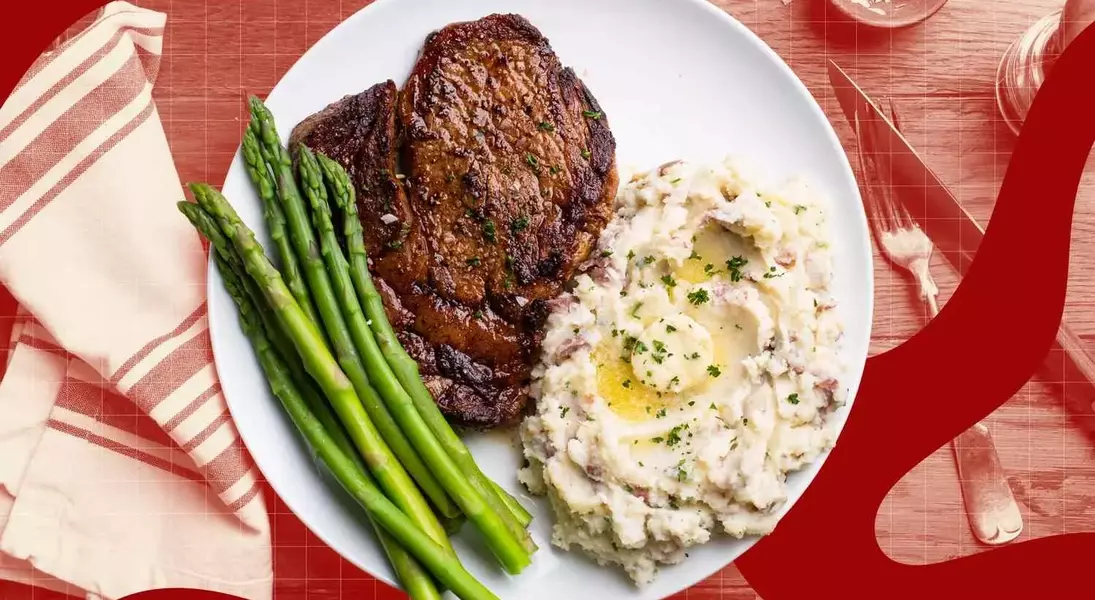
Ever wondered why restaurant mashed potatoes always seem to taste superior to your homemade versions? This comprehensive guide delves into the secrets of achieving that elusive restaurant-quality mashed potato, combining practical tips from professional chefs with a deep dive into the science behind perfect texture and flavor. From selecting the ideal potato variety to mastering the art of seasoning and incorporating rich dairy elements, this article breaks down each crucial step, ensuring your next batch of mashed potatoes is an unforgettable culinary delight.
The journey to perfect mashed potatoes begins with the right foundation: the potato itself. Culinary experts unanimously recommend Yukon Gold potatoes due to their balanced starch content, which allows for a creamy texture without becoming gluey. Unlike starchy Russets, which can turn gummy, or waxy red potatoes, which often result in a dry mouthfeel, Yukon Golds strike the ideal balance. Chef Matt Conroy, a Michelin-starred chef known for his work at Lutèce, emphasizes the importance of adequate seasoning. He suggests a generous application of salt—approximately one teaspoon per baseball-sized potato—to bring out the potato's natural flavors and ensure a well-seasoned final product.
Beyond the choice of potato, the method of preparation plays a pivotal role in achieving a smooth, luxurious consistency. Many professional kitchens employ a ricer or food mill, tools designed to break down cooked potatoes into fine, even particles while avoiding overmixing. Chef Mark Timms, an executive chef for Marriott International, highlights the ricer as essential for eliminating lumps and creating a smooth texture. This technique contrasts sharply with traditional mashers, which can often lead to an inconsistent, less refined result. While a ricer is highly recommended, Chef Michael Werneke notes that an electric hand mixer can also achieve excellent results if used judiciously to prevent overworking the potatoes, which can activate starches and produce a gummy consistency.
Proper moisture management is another critical, yet often overlooked, aspect. Werneke stresses the importance of thoroughly draining potatoes after boiling, recommending the use of paper towels to absorb excess surface moisture. He explains that potatoes should be fork-tender but not mushy, allowing them to dry out slightly as they cool. Conroy adds an ingenious tip: after draining, return the potatoes to the cooking pot and rice them while still warm. This process allows steam to escape, further reducing water content. The less water in the potatoes, the more room there is to incorporate flavorful liquids like cream and butter, resulting in a richer, more intensely flavored dish.
Finally, the generous addition of cream and butter is central to the restaurant-style richness that defines exceptional mashed potatoes. Timms advocates for a simple, yet opulent, mixture of cream, butter, salt, and white pepper, omitting black pepper to maintain a pristine white appearance. He believes in a visual approach to incorporating these ingredients, allowing the consistency to guide the additions. Conroy, embracing the French culinary tradition, liberally uses butter and cream. At home, he infuses his dairy with herbs like thyme and rosemary, along with crushed garlic cloves, straining them out before mixing to impart subtle background flavors. For those looking to reduce butter without sacrificing creaminess, Werneke suggests using buttermilk, as its acidity can cut through richness and add a delicate tang.
Ultimately, transforming ordinary potatoes into an extraordinary side dish requires attention to detail and a willingness to embrace certain culinary practices common in professional kitchens. By focusing on proper potato selection, employing specialized mashing techniques, meticulously managing moisture, and generously incorporating high-quality dairy and seasoning, home cooks can elevate their mashed potatoes to a level previously thought exclusive to fine dining establishments. These expert strategies promise a creamy, flavorful, and perfectly textured outcome, ideal for enhancing any meal.
