




Discover a 7-day Mediterranean eating plan tailored to enhance your digestive wellness and overall health. This flexible meal strategy is designed to offer approximately 1,500 calories daily, with adaptable options to reach 2,000 calories. Each day's menu is rich in fiber and protein, incorporating foods known for their anti-inflammatory, probiotic, and prebiotic benefits.
Nourish Your Gut, Transform Your Health
Day 1: A Fresh Start with Balanced Nutrition
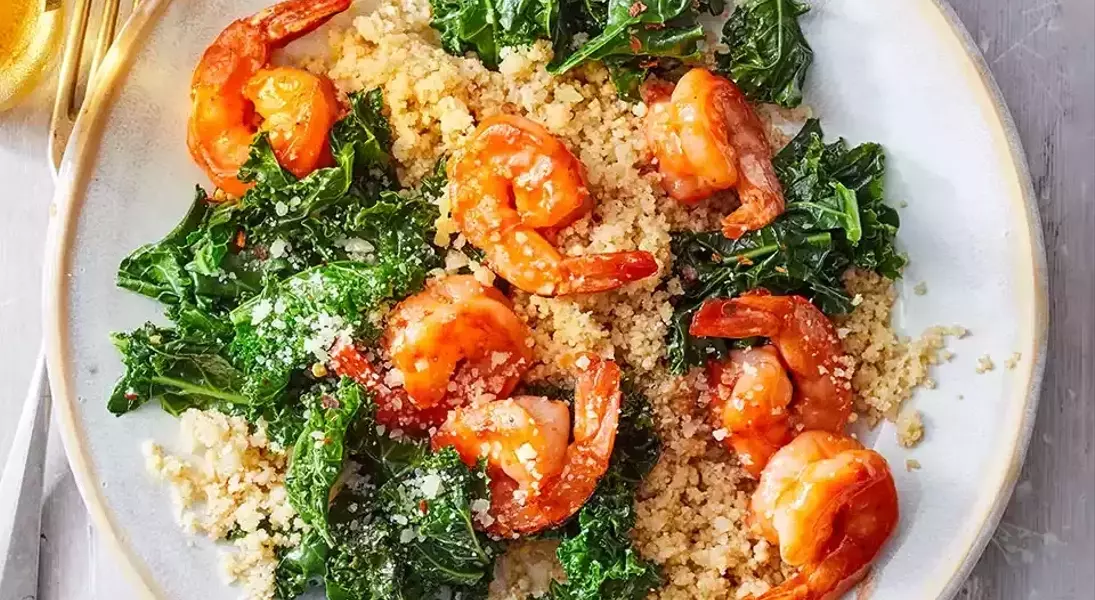
Begin your week with a delicious Raspberry-Kefir Power Smoothie for breakfast, providing 249 calories. For a mid-morning energy boost, enjoy a snack of blueberries and roasted cashews (211 calories). Lunch features a satisfying Tomato-and-Avocado Cheese Sandwich at 439 calories. In the afternoon, curb hunger with hummus, sliced cucumbers, and walnut halves, totaling 163 calories. Conclude your day with Charred Shrimp, Pesto & Quinoa Bowls for dinner, a flavorful 429-calorie meal. You can save a portion of the dinner for tomorrow's lunch to simplify meal prep. For those aiming for 2,000 calories, consider adding two hard-boiled eggs to breakfast, increasing blueberry and cashew portions, and incorporating a creamy dill yogurt sauce with dinner.
Day 2: Sustaining Energy and Digestive Harmony
Start your second day with a Banana Protein Muffin and an orange, a 254-calorie breakfast. A mid-morning snack includes a serving of Fig & Honey Yogurt, delivering 208 calories. For lunch, savor the leftover Charred Shrimp, Pesto & Quinoa Bowls from yesterday, offering 429 calories. A medium pear makes for a light afternoon snack at 101 calories. Dinner is a nutritious Sheet-Pan Salmon with Sweet Potatoes & Broccoli, providing 504 calories. To reach 2,000 calories, add two hard-boiled eggs to breakfast, include slivered almonds with your morning snack, and add low-fat Cheddar cheese to your afternoon snack.
Day 3: Boosting Wellness with Diverse Flavors
Day three begins with two Banana Protein Muffins, plain kefir, and clementines, a hearty 373-calorie breakfast. Your morning snack, rich in antioxidants, consists of raspberries, low-fat Cheddar cheese, and shelled pistachios, totaling 173 calories. Lunch is a refreshing Cucumber-Chicken Green Goddess Wrap at 353 calories. A satisfying afternoon snack of edamame in pods provides 200 calories. For dinner, enjoy a Kielbasa-&-Swiss Spaghetti Squash Casserole with a whole-wheat baguette slice and steamed broccoli with olive oil, summing up to 408 calories. To increase to 2,000 calories, include scrambled eggs with breakfast, increase raspberry intake, add creamy dill yogurt sauce to lunch, increase edamame, and add another baguette slice to dinner.
Day 4: Wholesome Choices for a Balanced Day
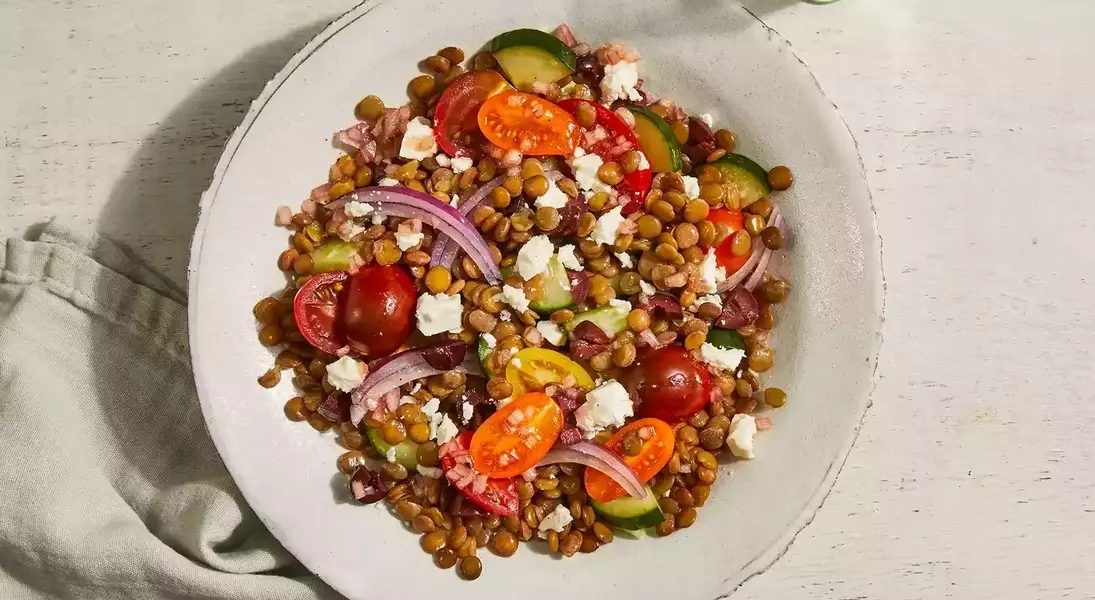
Kick off day four with Creamy Blueberry-Pecan Overnight Oatmeal for a 291-calorie breakfast. A medium apple and walnut halves serve as a 176-calorie morning snack. Lunch features a Mason Jar Power Salad with Chickpeas & Tuna, weighing in at 430 calories. An afternoon snack of a Banana Protein Muffin provides 193 calories. Dinner is a fulfilling Lentil Salad with Feta, Tomatoes, Cucumbers & Olives, alongside cooked chicken, totaling 411 calories. Remember to save a portion of the lentil salad for tomorrow's lunch. For a 2,000-calorie plan, add peanut butter to breakfast, increase walnuts at your morning snack, include dark chocolate with your afternoon snack, and increase chicken portion for dinner.
Day 5: Flavorful and Gut-Friendly Delights
Continue your healthy eating journey with Creamy Blueberry-Pecan Overnight Oatmeal for breakfast (291 calories). A medium banana and peanut butter make for a satisfying 210-calorie morning snack. Lunch is the leftover Lentil Salad with Feta, Tomatoes, Cucumbers & Olives, enhanced with canned tuna, providing 368 calories. Roasted almonds serve as your 206-calorie afternoon snack. Dinner features BBQ Shrimp with Garlicky Kale & Parmesan-Herb Couscous, a delightful 414-calorie meal. For a 2,000-calorie intake, add peanut butter to breakfast, include a whole-wheat pita with lunch, increase almond portions, and add dark chocolate to dinner.
Day 6: A Culinary Adventure for Your Gut
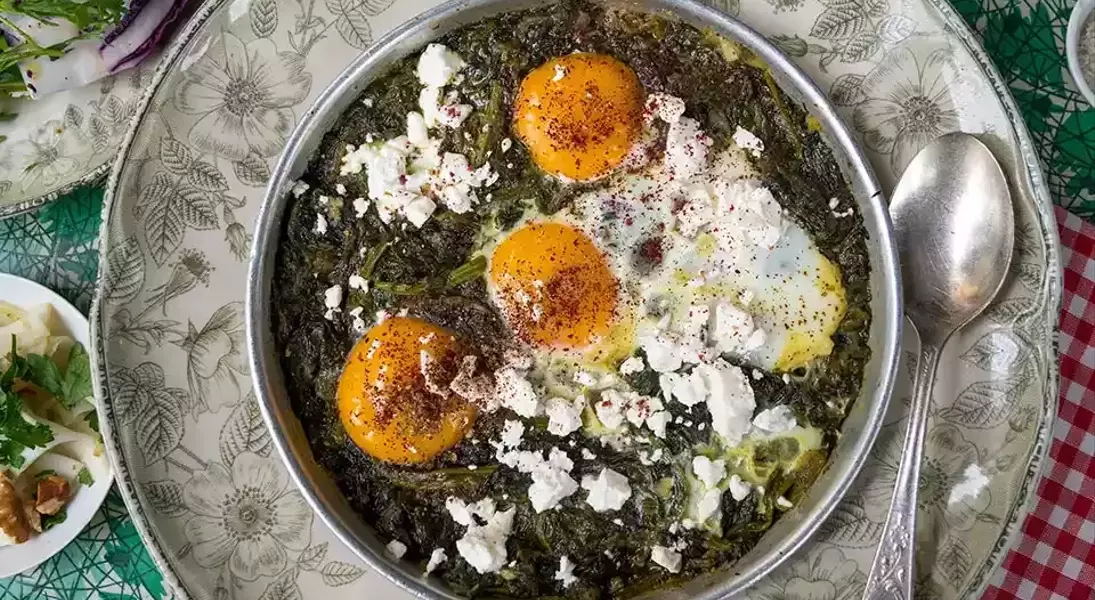
Start your sixth day with a Broccoli & Cheese Omelet and half a whole-wheat English muffin, a 311-calorie breakfast. A large pear and roasted almonds provide a 301-calorie morning snack. Lunch is a Gochujang-Glazed Tempeh & Brown Rice Bowl, offering 333 calories. Crispy chickpeas make a 220-calorie afternoon snack. For dinner, enjoy Green Shakshuka with Spinach, Chard & Feta, paired with half a whole-wheat pita, totaling 330 calories. To reach 2,000 calories, opt for a whole English muffin with breakfast, add kimchi and chopped peanuts to lunch, increase chickpeas for your afternoon snack, and enjoy a whole pita with dinner.
Day 7: Concluding Your Week with Nourishment
Wrap up your week with a Spinach & Egg Scramble with Raspberries for breakfast (296 calories). A light morning snack consists of low-fat plain kefir, chia seeds, and honey, providing 121 calories. For lunch, savor Crispy Smoked Tofu & Coleslaw Wraps, a fulfilling 488-calorie meal. The afternoon snack is another serving of crispy chickpeas at 220 calories. Your final dinner is Easy Miso-Chicken Ramen, offering 383 calories. To achieve 2,000 calories, add a large banana to breakfast, increase kefir, chia seeds, and honey at your morning snack, double your chickpea portion for the afternoon, and include a hard-boiled egg with dinner.
This meal plan offers flexibility and is designed to inspire your dietary choices. While the plan aims for specific caloric and nutrient targets, feel free to adapt it to your preferences. When making substitutions, consider matching the caloric, fiber, protein, and sodium content to maintain the plan's integrity. For more ideas, explore anti-inflammatory Mediterranean meal recipes.
You can certainly opt to eat the same breakfast or lunch daily. The caloric range for breakfasts (249 to 373 calories) and lunches (333 to 488 calories) is consistent. If you are closely monitoring your caloric intake or specific nutrients like protein, minor adjustments to snacks might be beneficial.
This plan does not include a 1,200-calorie modification. Current dietary guidelines indicate that limiting intake to 1,200 calories per day is often insufficient for nutritional needs and is not sustainable for long-term health and well-being.
The Mediterranean diet is characterized by an abundance of fruits, vegetables, legumes, lean proteins, nuts, and seeds, with moderate dairy intake and reduced saturated fats and added sugars. This dietary pattern is rich in fiber, antioxidants, and omega-3 fatty acids, and has been linked to a lower risk of obesity, heart disease, cancer, cognitive decline, metabolic syndrome, and type 2 diabetes.
A healthy gut microbiome offers similar advantages. Beyond aiding digestion and relieving constipation, beneficial gut bacteria can positively influence mood, sleep quality, and cardiovascular health. Probiotic-rich foods such as fermented dairy, kimchi, and sauerkraut introduce healthy bacteria, while prebiotics like onions, garlic, bananas, and lentils nourish these beneficial microorganisms. Both a flourishing microbiome and the Mediterranean diet are instrumental in sustaining a healthy weight.
Preparing meals in advance can streamline your healthy eating efforts. Consider baking Banana Protein Muffins for breakfasts on Day 2 and Day 3, and as a snack on Day 4. On the evening of Day 3, prepare two servings of Creamy Blueberry-Pecan Overnight Oatmeal for breakfasts on Day 4 and Day 5. Lastly, make Everything Bagel Crispy Chickpeas to enjoy as snacks on Day 6 and Day 7.
Our meal plans are meticulously crafted by registered dietitians to be both user-friendly and delicious. Each plan is tailored to specific health conditions or lifestyle goals, with nutritional accuracy verified using advanced databases. We encourage you to use these plans as a guide, customizing them to meet your unique nutritional requirements.
