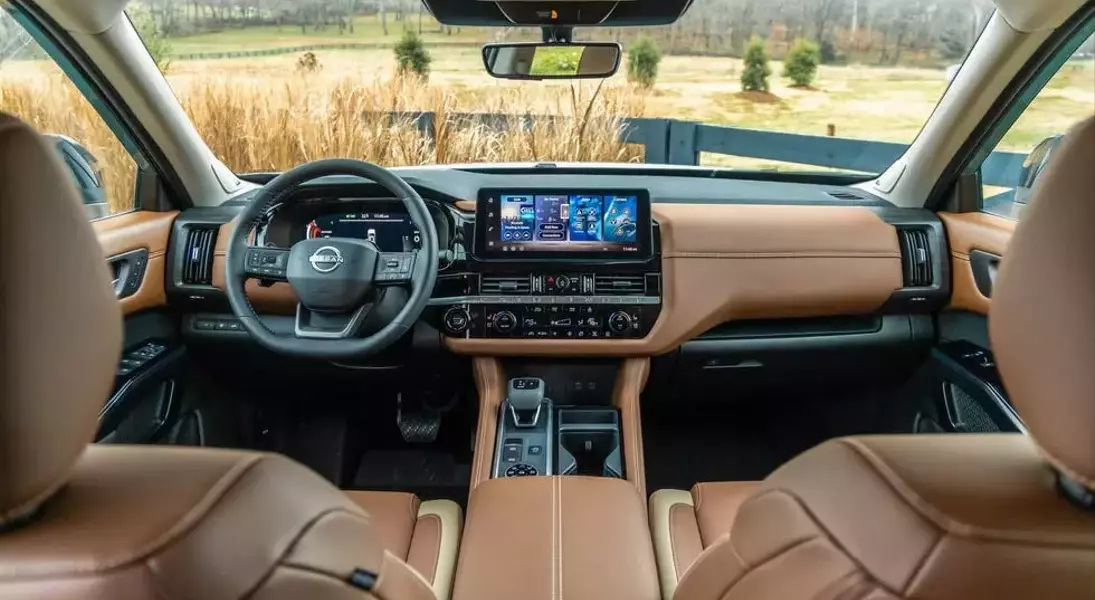
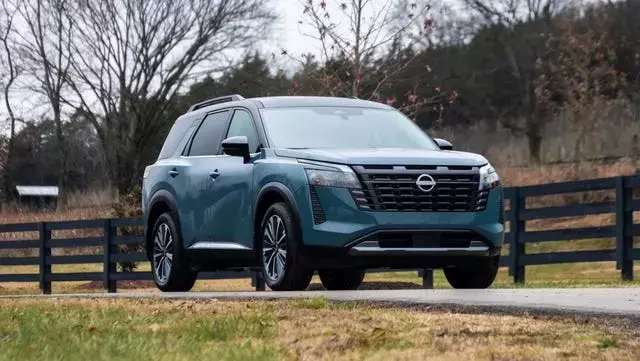
Nissan's popular three-row mid-size SUV, the Pathfinder, has undergone a notable refresh for its 2026 model year. This update brings a refined exterior, highlighted by a redesigned grille, and a more technologically advanced cabin, featuring a larger touchscreen and other enhancements aimed at boosting its appeal. While these upgrades are designed to attract more buyers, they also come with a corresponding increase in pricing across the entire range, albeit with varying degrees of impact on different trim levels.
2026 Nissan Pathfinder: Enhanced Features and Pricing Adjustments
For the 2026 model year, the Nissan Pathfinder has received a series of updates, leading to price adjustments across its lineup. The entry-level S trim, with front-wheel drive, now begins at $38,995, marking an $1100 increase from its predecessor. The all-wheel-drive S variant also sees a similar rise, starting at $40,995. A key enhancement for all models, including the base S, is the introduction of a larger 12.3-inch touchscreen, now a standard feature. Moving up to the SV trim, which starts at $41,395 for FWD and $43,395 for AWD (each up by $510), introduces an improved wireless charging pad with faster charging capabilities and a cooling fan.
The rugged Pathfinder Rock Creek edition now has a starting price of $46,495, also reflecting a $510 increase. The mid-range SL trim experiences a more modest price adjustment of $410, with the FWD model priced at $43,995 and the AWD at $45,995. The SL also benefits from a new 12.3-inch digital gauge cluster and an enhanced 360-degree camera system, which includes two additional cameras for improved parking and maneuverability in tight spaces. Nissan's HD Enhanced Intelligent Around View Monitor is now standard on both the Rock Creek and the top-tier Platinum trims. The Platinum, now starting at $50,895 for FWD and $52,895 for AWD (a $760 increase), further distinguishes itself with newly designed 20-inch wheels, quilted seating patterns, and premium wood-like interior accents. These changes collectively aim to offer a more sophisticated and feature-rich Pathfinder, aligning with contemporary consumer expectations for comfort, technology, and styling.
The continuous evolution of models like the Nissan Pathfinder highlights a fascinating trend in the automotive industry: how manufacturers balance innovation with market demand and pricing strategies. As technology advances and consumer preferences shift, vehicles are constantly being refined with new features and improved aesthetics. However, these enhancements often translate into higher costs, prompting consumers to weigh the value of new technologies and design upgrades against the increased investment. This particular update to the Pathfinder offers a compelling case study on how automakers strive to maintain competitiveness and appeal in a dynamic market, while also navigating the complexities of production costs and pricing. For potential buyers, it underscores the importance of carefully evaluating which trim level best meets their needs and budget, as even modest price adjustments can significantly impact the overall ownership experience.
