The 2026 Infiniti QX60 Sport presents a paradoxical experience for automotive enthusiasts. While it boasts considerable practical merits, including ample interior space, a distinctive aesthetic, and a reasonable price point, it ultimately falls short in delivering an emotionally resonant or authentically luxurious driving impression. This comprehensive assessment aims to dissect its various facets, acknowledging its advancements while highlighting areas where it struggles to compete within its segment, offering a nuanced perspective on its overall market position.
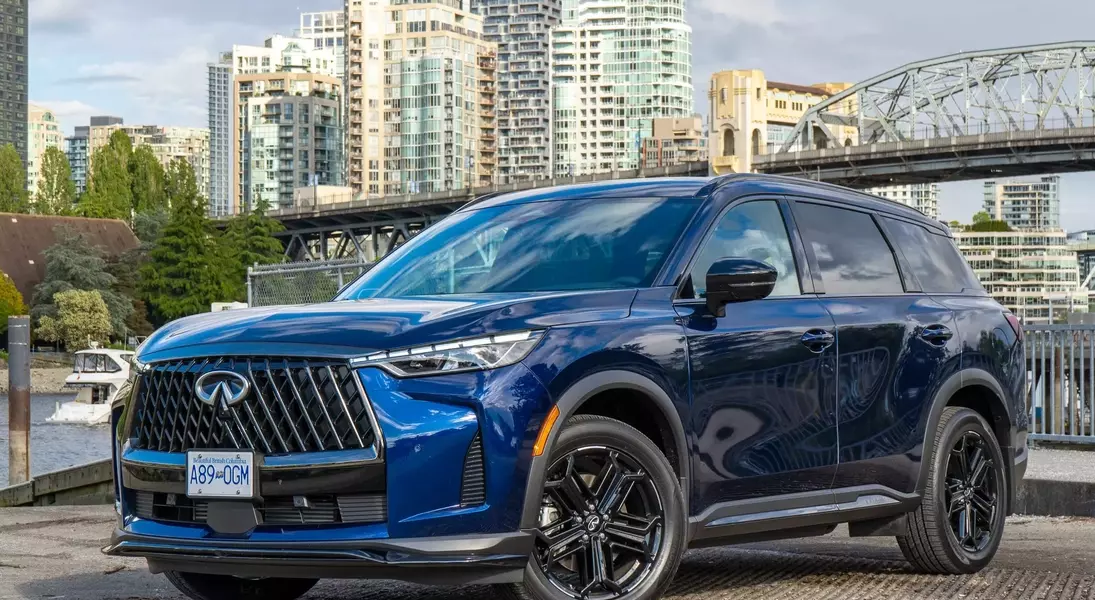
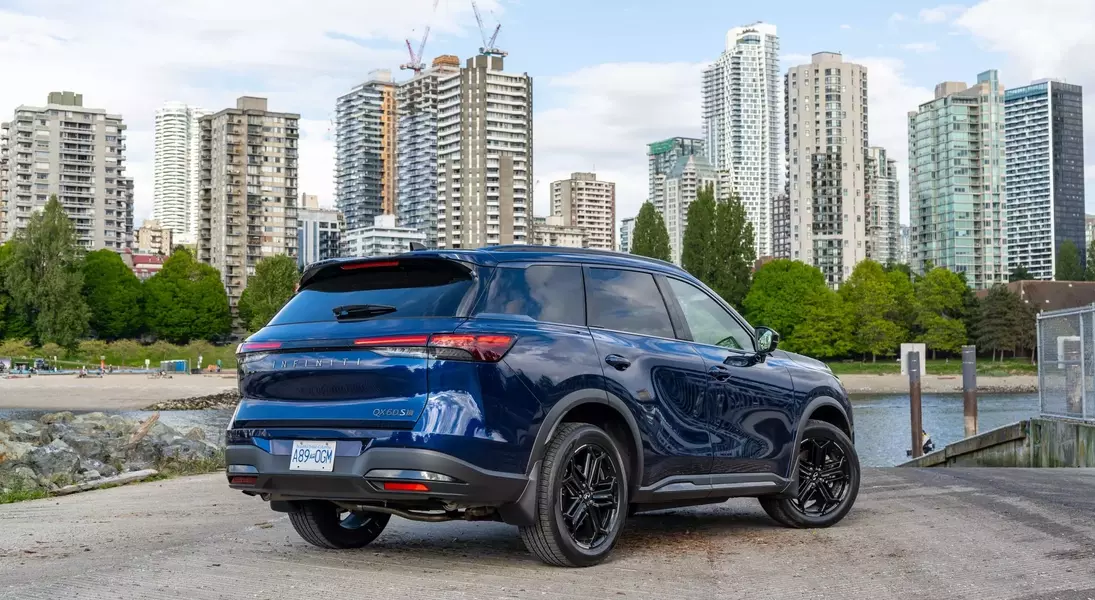
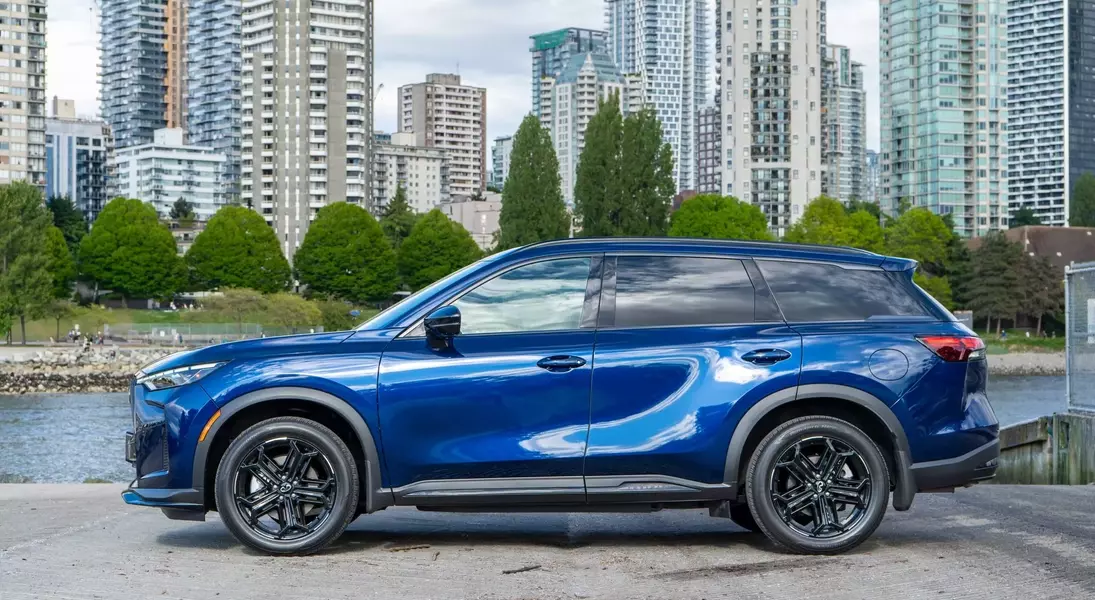
The journey with the 2026 QX60 Sport AWD, a Canadian-market model priced at C$72,440 (or $62,390 USD), began with a drive through the urban landscape of Vancouver and along the picturesque Sea-to-Sky Highway. This particular trim level elevates the vehicle's appearance with a unique dark accent package, featuring gloss-black exterior elements, matching roof rails, 20-inch sport wheels, and dark trim surrounding the grille and windows. The refreshed grille, inspired by the intricate patterns of a bamboo forest, integrates an illuminated Infiniti emblem, contributing to a bolder and more cohesive design language than its predecessors. The redesigned lower fascia and a wider-looking rear further enhance its assertive stance. Despite these stylistic enhancements, a fundamental question arises: do these visual upgrades truly transform the QX60 into a genuine luxury offering, or do they merely mask underlying compromises?
Under the hood, the QX60 Sport is powered by a 2.0-liter VC-Turbo four-cylinder engine, an engineering marvel known for its variable compression technology. This powerplant delivers 268 horsepower and 286 lb-ft of torque, channeled through a nine-speed automatic transmission and Infiniti's Intelligent All-Wheel Drive system. While these figures are adequate for a three-row SUV of its size, the powertrain's performance is described as competent but lacks inspiration. A noticeable delay in turbo engagement off the line is followed by a surge that, while capable, never escalates to an exciting crescendo. In contrast, competitors like the Acura MDX offer a more potent and refined 3.5-liter V6, renowned for its smoothness and proven durability. The nine-speed gearbox, however, is praised for its seamless operation in daily driving, contributing to an overall drama-free experience.
Where the QX60 Sport truly shines is in its chassis dynamics. The vehicle exhibits surprising composure and agility, with body roll being well-managed for an SUV of its dimensions. The steering is commendably responsive, and the car navigates corners with an unexpected degree of confidence. This impressive handling on winding roads, such as the Sea-to-Sky Highway, invites a level of driver engagement uncommon in family-oriented SUVs. Yet, the ride quality presents a mixed bag. While absorbing gentle undulations and maintaining serenity at highway speeds, it transmits sharper impacts and imperfections from urban pavements into the cabin with more force than anticipated for a luxury vehicle. This occasionally disrupts the otherwise calm atmosphere, serving as a subtle reminder that it falls short of the ride refinement found in rivals like Lexus or Genesis. The fuel economy, rated at 22 city/27 highway mpg for the AWD Sport (around 24 mpg combined in real-world conditions), is considered reasonable for its class.
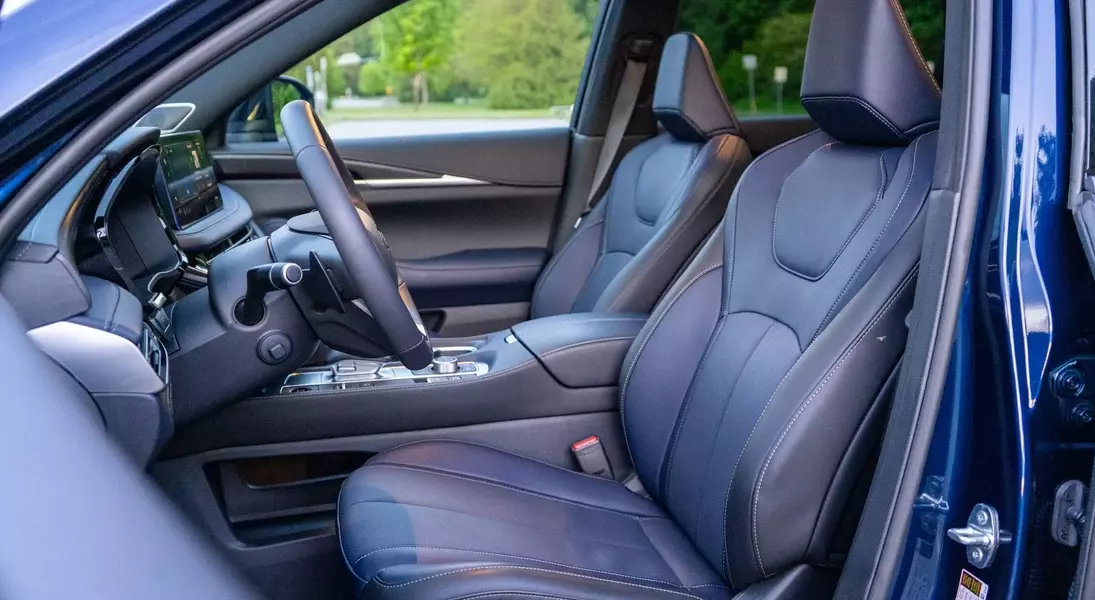
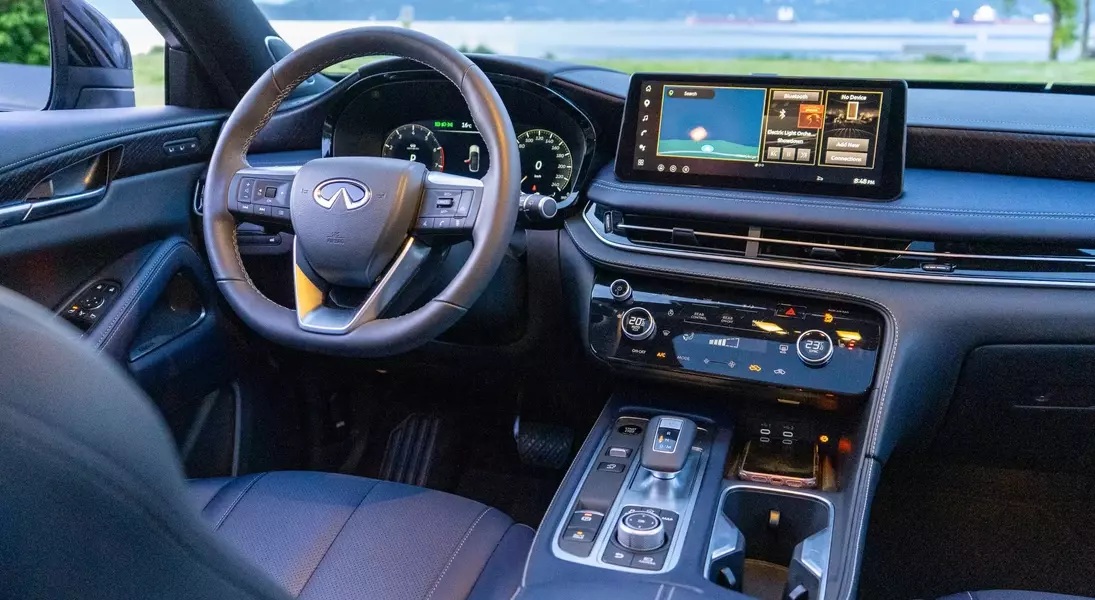
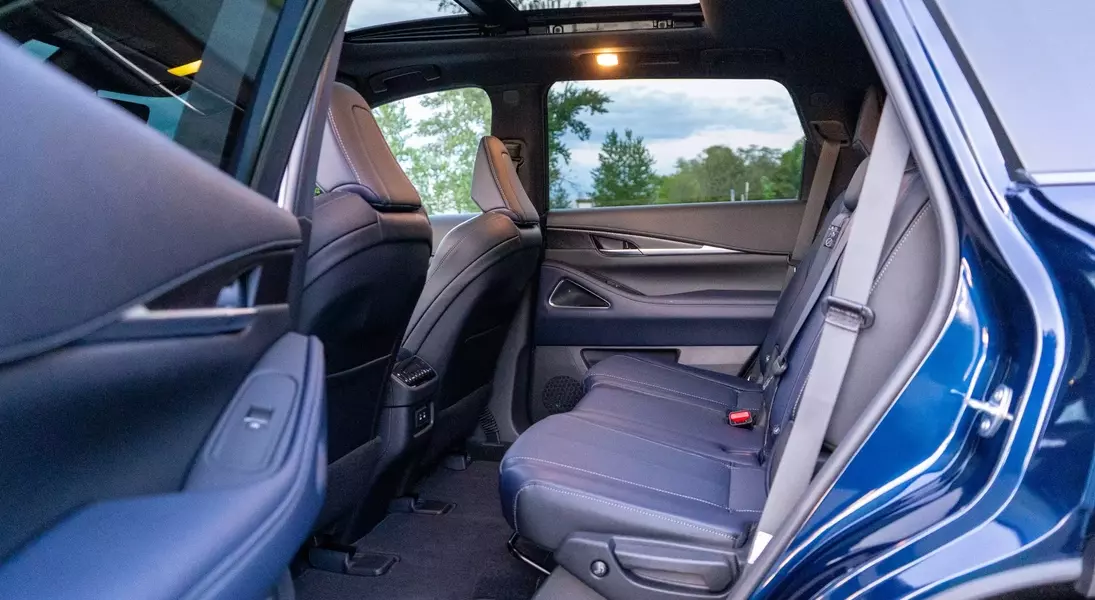
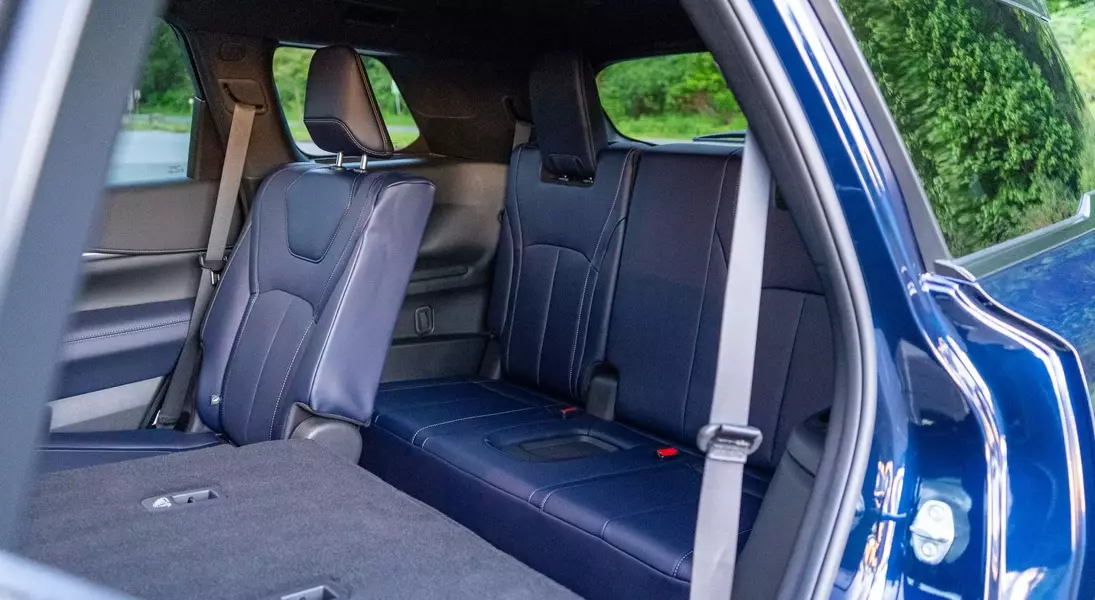
The interior of the QX60 Sport reveals its most prominent identity challenges. While the cabin is inviting, well-proportioned, and meticulously constructed, it struggles to transcend the threshold from premium to genuinely luxurious. The Sport's exclusive Dusk Blue TailorFit seating offers an attractive and distinctive touch, complemented by a black headliner that imbues a driver-focused ambiance. The second-row captain's chairs provide comfort, and Infiniti's fold-and-tumble mechanism ensures easy access to the third row. The Klipsch 16-speaker audio system delivers satisfactory sound, and the tri-zone climate control system maintains comfort for all occupants. However, when juxtaposed with the interiors of vehicles like the Genesis GV80, Lexus TX, or even a well-appointed Acura MDX, the QX60's material quality, though adequate, lacks the tactile richness expected at this price point. The proprietary synthetic leather, while durable, does not offer the same sensory experience as genuine luxury materials. Furthermore, the dashboard architecture, while neat, carries subtle echoes of its Nissan Pathfinder lineage, raising questions about its premium positioning. The third row, despite being present, functions more as a 'five-plus-two' arrangement, best suited for children or short trips due to limited legroom and headroom. This compromises its appeal as a true family hauler, especially when more spacious and cost-effective alternatives like the Kia Telluride and Hyundai Palisade exist.
In terms of technology, the 2026 QX60 introduces significant upgrades over its predecessor. The dual 12.3-inch displays for the instrument cluster and infotainment system represent a notable improvement, and the integration of Google Built-In, featuring Google Maps, Google Assistant, and native navigation, brings the QX60 up to date. Wireless Apple CarPlay and Android Auto are now standard, and Infiniti's ProPilot Assist, a semi-autonomous highway driving system, performs reliably, reducing driver fatigue on extended journeys. However, the underlying InTouch infotainment system remains a weakness. It is characterized by sluggish response times, an incoherent interface, and a tendency towards excessive menu navigation, falling short of the intuitive experience offered by Genesis, BMW, or Volvo systems. Wireless Apple CarPlay functionality proved inconsistent during testing, often disconnecting and freezing the system. While features like the 3D Around View Monitor are genuinely useful, the overall technology suite is uneven, with excellent components coexisting with frustratingly dated elements.
The 2026 Infiniti QX60 Sport occupies a complex position in the luxury SUV market. It delivers notable improvements in handling, exterior design, and a competitive feature set for its price. However, its interior falls short of true luxury, its infotainment system is lagging, and its four-cylinder engine, while efficient, doesn't align with the 'Sport' badge's performance expectations. These are not minor issues but significant areas where competitors, some at a similar or lower price, excel. Despite a recent refresh, a more fundamental redesign seems necessary to address its structural challenges and elevate its standing in the premium segment. Potential buyers are advised to consider alternatives such as the Acura MDX, Genesis GV80, and Lexus TX, which offer a more refined and complete luxury experience at comparable price points. While the QX60 Sport has its merits, Infiniti needs to significantly raise its ambitions in future iterations to truly compete at the highest level of the luxury SUV market.
