This comprehensive review re-examines the 2000 Ferrari 360 Modena F1, building upon an initial assessment conducted under less-than-ideal circumstances. The article delves into the vehicle's full performance metrics, offering a detailed look at its capabilities, driving dynamics, and overall user experience. It highlights both the car's strengths, such as its striking design and powerful engine, and its few notable drawbacks, providing a well-rounded perspective on this iconic supercar.
Detailed Analysis of the 2000 Ferrari 360 Modena F1: Performance, Comfort, and Technology
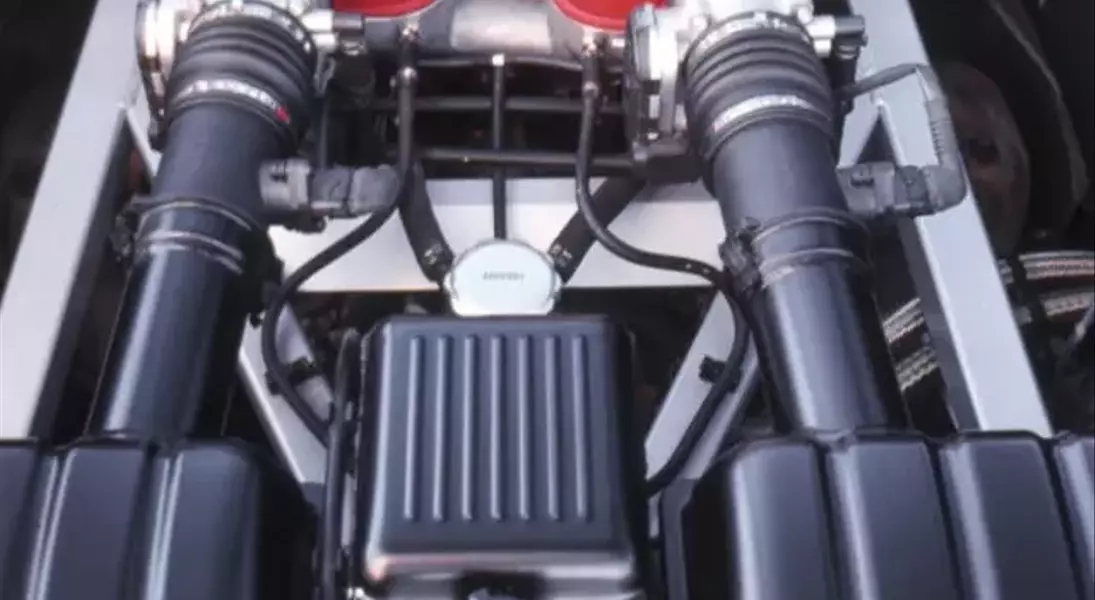
In November 1999, automotive enthusiasts received a more thorough evaluation of the Ferrari 360 Modena F1, a follow-up to the initial July 1999 review which lacked certain key performance data. The car, boasting a 40-valve V-8 engine producing 395 horsepower, underwent rigorous testing at the Hogback Road headquarters. This subsequent assessment aimed to fill in the statistical gaps, providing detailed information on skidpad performance, sound levels, and top speed, which were notably absent from the first Italian track test.
The 360 Modena F1 exhibited impressive acceleration, achieving 0 to 60 mph in 4.5 seconds and completing the quarter-mile in 13.0 seconds at 112 mph. Its braking performance was particularly commendable, stopping from 70 mph in just 159 feet. On the skidpad, it registered a strong 0.96 g. These figures, while slightly varying from the initial test due to different tire specifications (Goodyear Eagle F1 GS Fiorano versus Pirelli P Zero Direzionale) and engine break-in status, affirmed the Modena's exceptional capabilities, surpassing its predecessor, the F355 F1, in several key areas. The vehicle's top speed, limited by its redline, reached an effortless 173 mph, maintaining stability even at high velocities.
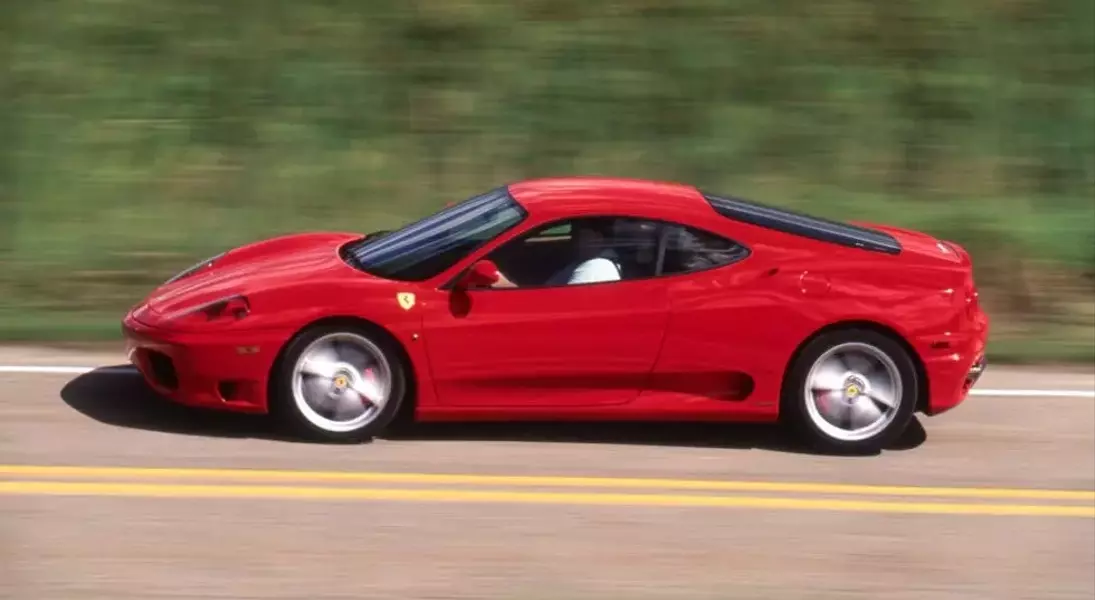
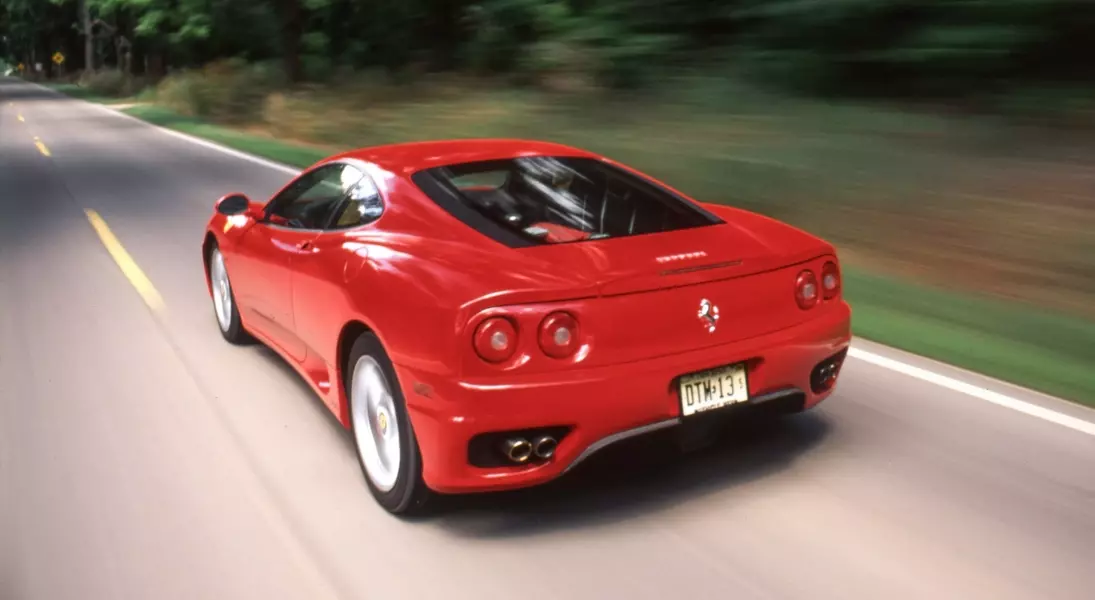
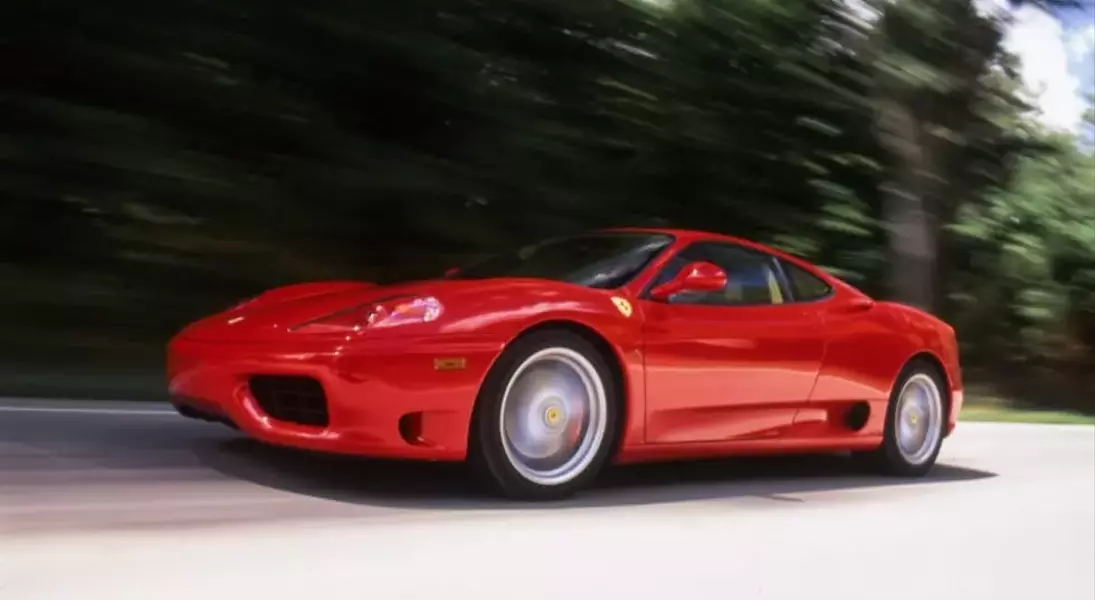
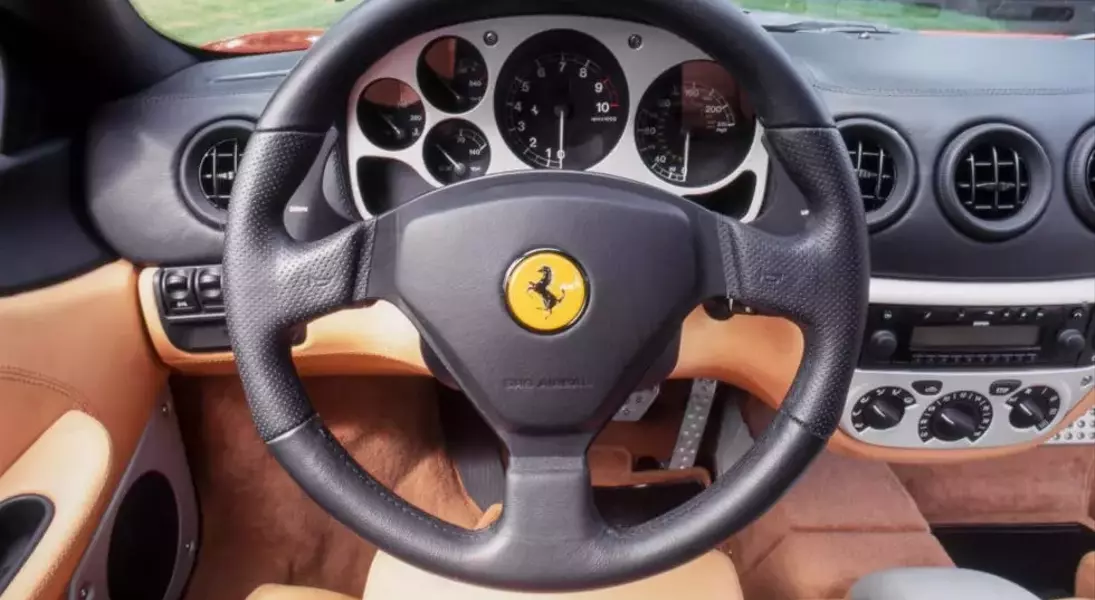
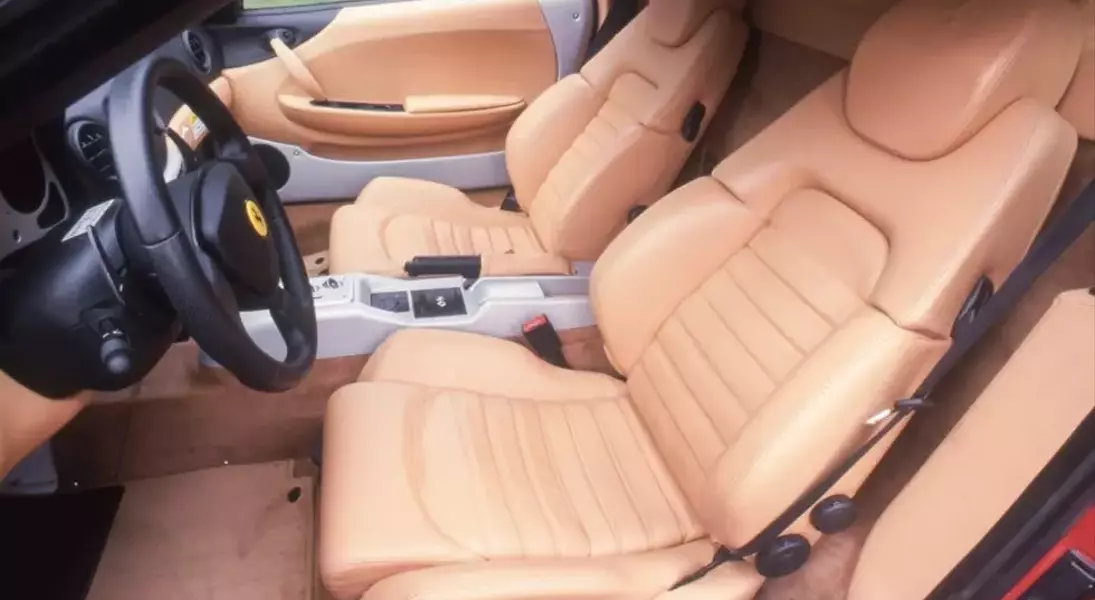
Beyond its raw power, the Modena's design, crafted with a keen eye for aesthetics and aerodynamic efficiency, positions it as one of the most visually appealing Ferraris of its era. Its interior offers a surprising level of refinement for a high-performance vehicle, with comfortable seating, intuitive controls, and sufficient luggage space for short trips. The cabin remains relatively subdued at lower RPMs, transforming into a cacophony of exhilarating engine notes as the revs climb past 4000 rpm, culminating in an intense scream beyond 8000 rpm. The F1 transmission, operated by paddle shifters located at the 9 and 3 o'clock positions behind the steering wheel, allowed for manual gear changes, although an automatic mode was available for less demanding driving situations.
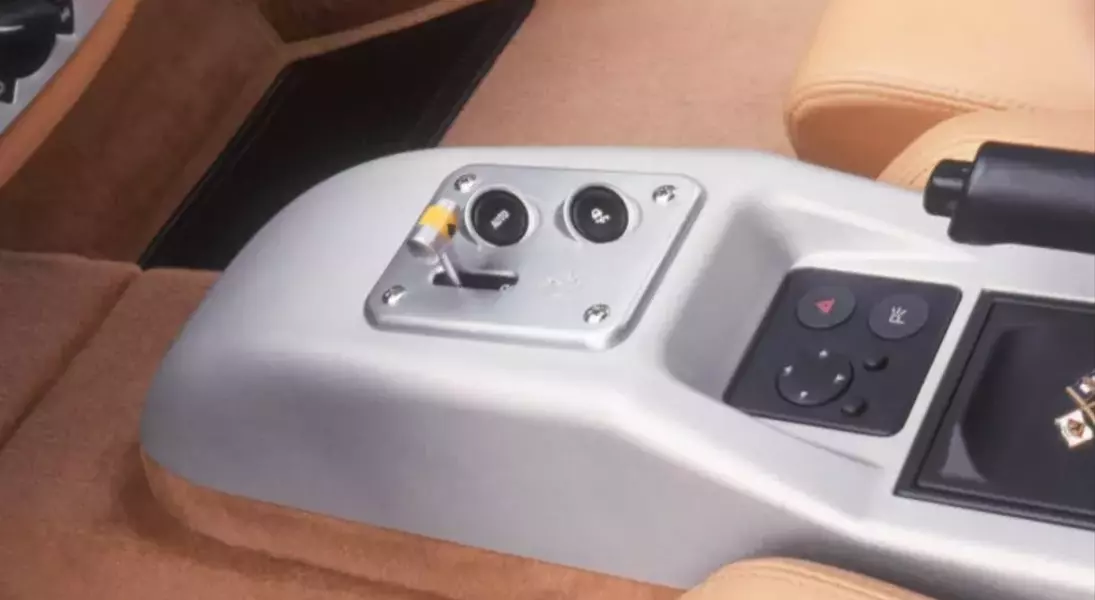
However, the experience wasn't without its quirks. Testers noted the F1 transmission's manual shifts could be abrupt and slow to engage, leading some to prefer the traditional six-speed manual option, which also offered a significant cost saving. Furthermore, the car's complex anti-theft system occasionally presented challenges, making the starting procedure and gear engagement less fluid than desired for some drivers. Despite these minor criticisms, the 360 Modena F1 was largely celebrated for its harmonious blend of high performance, sophisticated engineering, and luxurious comfort, proving itself a triumph of automotive design and functionality.
The comprehensive re-evaluation of the 2000 Ferrari 360 Modena F1 reinforces its iconic status within the pantheon of sports cars. While its F1 transmission might have presented minor operational eccentricities, and its starting sequence demanded a degree of ritual, these nuances are ultimately overshadowed by the sheer exhilaration and engineering artistry it embodies. This vehicle stands as a testament to Ferrari's relentless pursuit of automotive excellence, delivering a driving experience that is both intensely engaging and surprisingly refined. It's a reminder that true automotive masterpieces are defined not just by their statistics, but by the indelible impression they leave on those fortunate enough to experience them.
