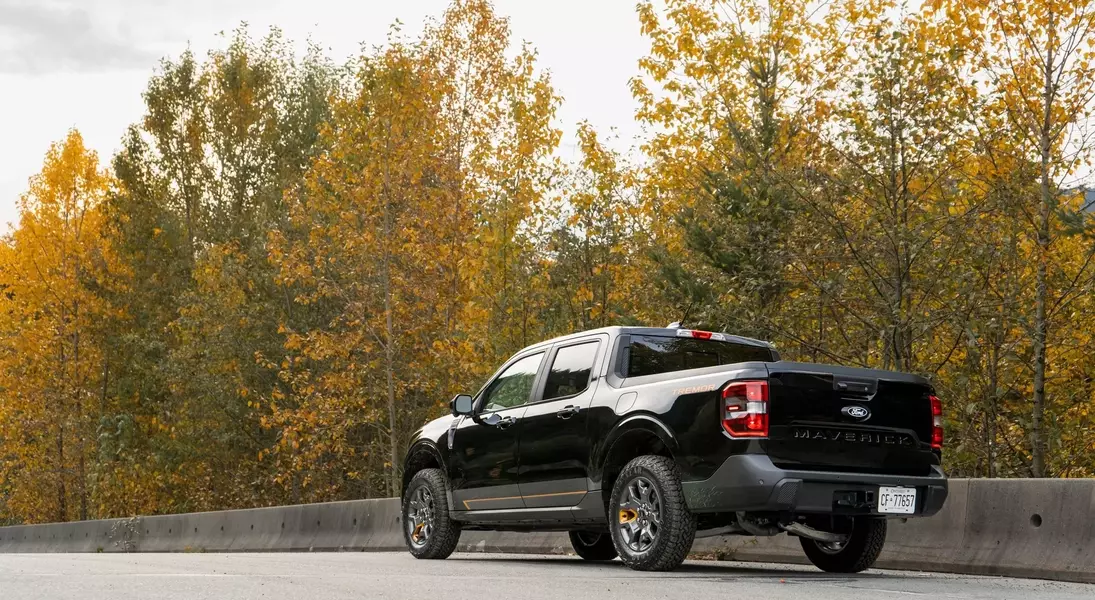
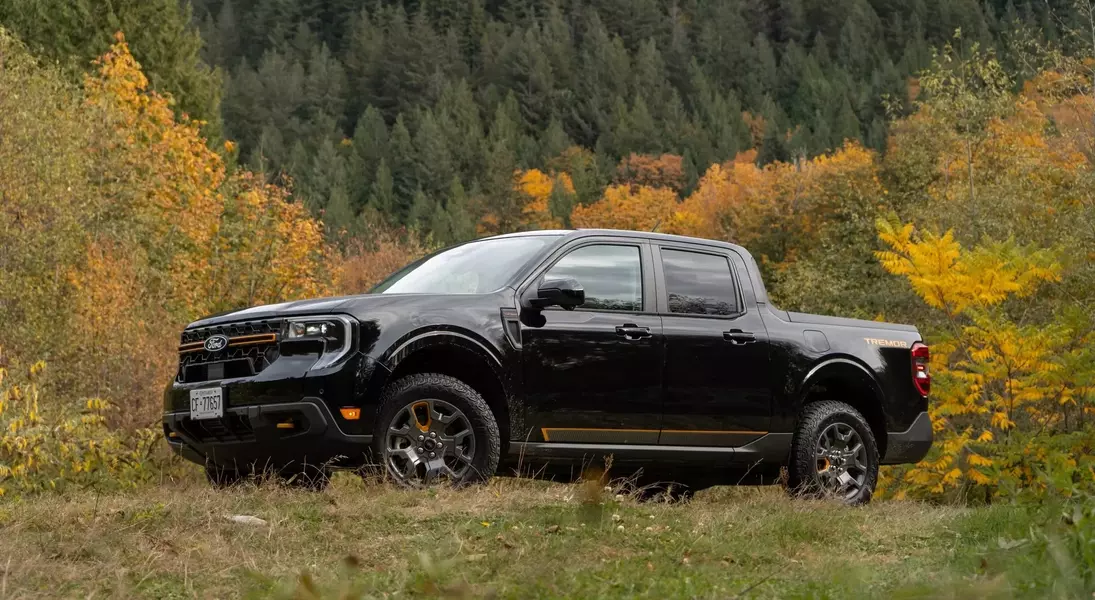
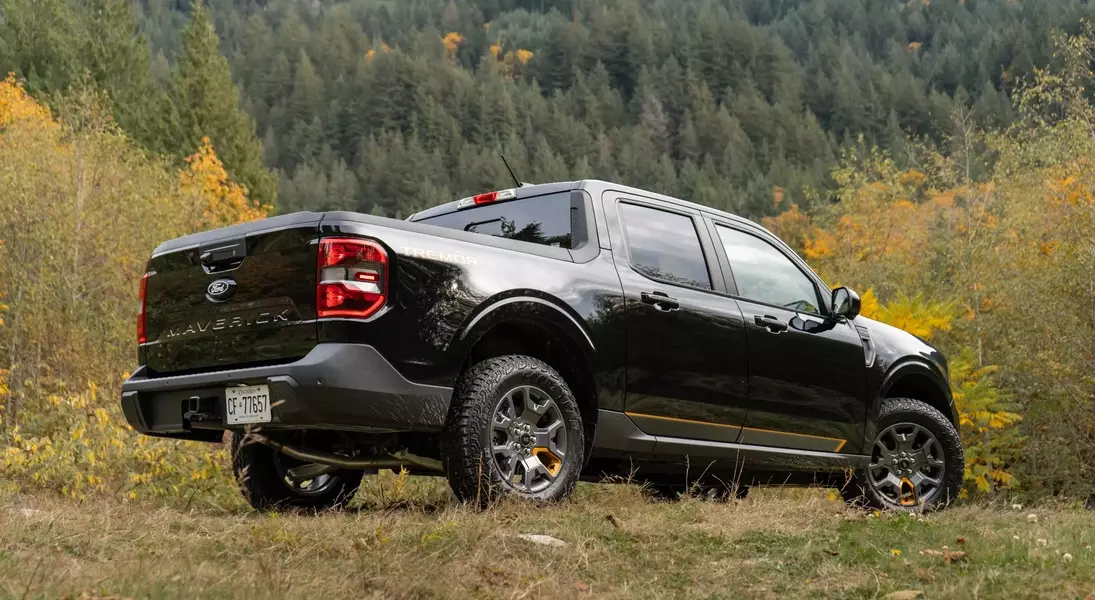
The 2026 Ford Maverick Tremor presents a fascinating dilemma for truck enthusiasts, offering enhanced off-road capabilities in a compact package but raising questions about its overall value proposition. While it boasts impressive features for tackling rugged terrain, these come at the expense of everyday practicality and a notable price increase. The truck's design, technology, and interior comfort also play a role in its appeal, but ultimately, the decision rests on a buyer's specific needs and priorities, particularly when considering alternatives like other Maverick variants or the larger Ford Ranger.
Despite its undeniable charm and character, the Tremor's position in the market is somewhat niche. It caters to a specific demographic that prioritizes a smaller footprint for trail use while still requiring legitimate off-road hardware. However, for those whose primary use involves on-road driving or heavy-duty towing, the compromises inherent in the Tremor package may outweigh its advantages. This review seeks to explore these trade-offs in detail, helping potential buyers determine if this adventure-ready compact pickup truly aligns with their expectations.
Evaluating the Tremor's Off-Road Capabilities and Driving Experience
The 2026 Ford Maverick Tremor, equipped with a potent 2.0-liter turbocharged EcoBoost engine, delivers an engaging driving experience with ample low-end torque and responsive acceleration, reminiscent of the Maverick Lobo variant. Both models share advanced features like a twin-clutch rear-drive unit and torque-vectoring for superior traction. Unlike the Lobo's seven-speed gearbox, the Tremor retains the smoother, more robust eight-speed automatic transmission found across the non-hybrid Maverick range. While the four-cylinder engine can exhibit a coarser note at higher RPMs, its strength lies in its low-end power delivery, meaning drivers will rarely need to push it to its upper limits.
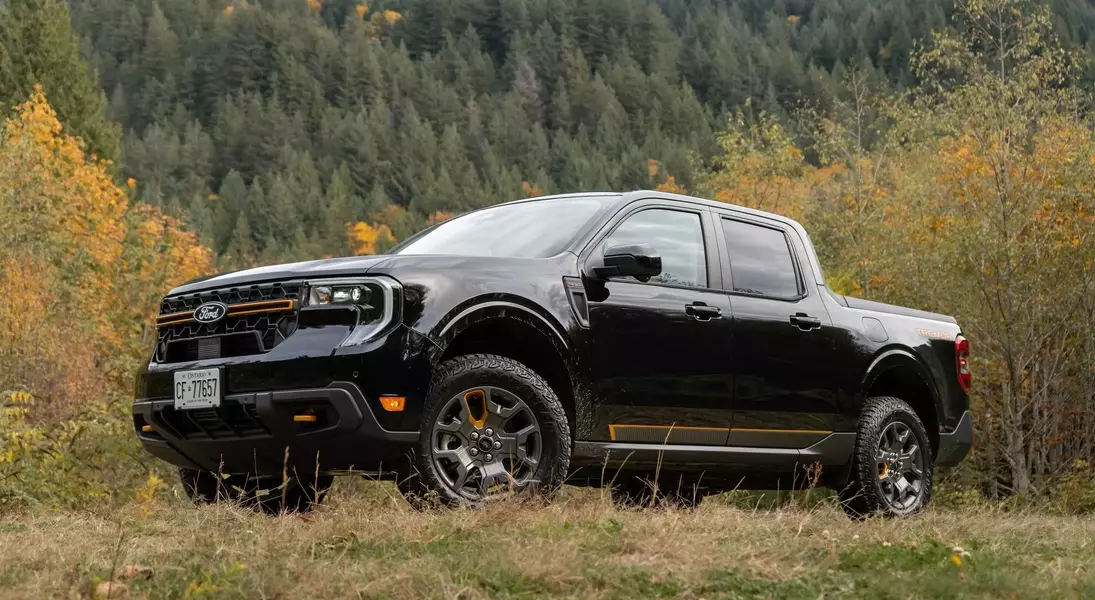
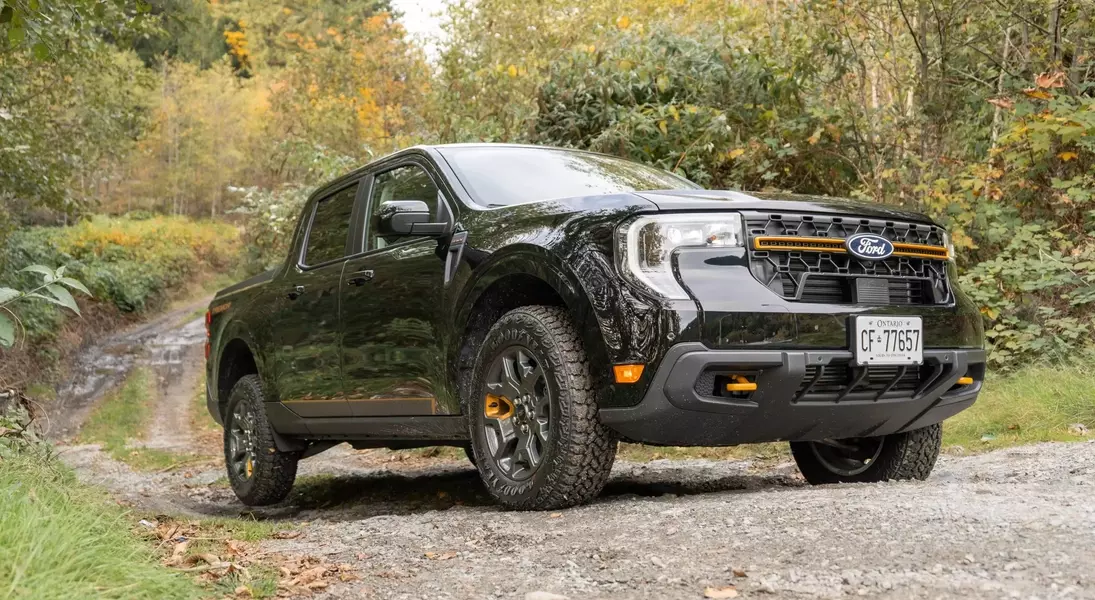
However, the Tremor's off-road enhancements, including its rugged Goodyear all-terrain tires, elevated stance, and specially tuned suspension, significantly alter its on-road behavior. Handling on paved roads, especially through curves and on highways, is less refined than other Maverick trims, and the aggressive tires contribute to increased cabin noise. These are expected trade-offs for a vehicle prioritizing off-road performance, but prospective buyers should consider if they genuinely need this enhanced capability or are primarily drawn to the Tremor's aesthetic. Furthermore, its fuel efficiency is lower than standard Maverick models, with an observed average of approximately 19 mpg in mixed driving conditions.
Assessing Technology, Design, and Value in the Maverick Tremor
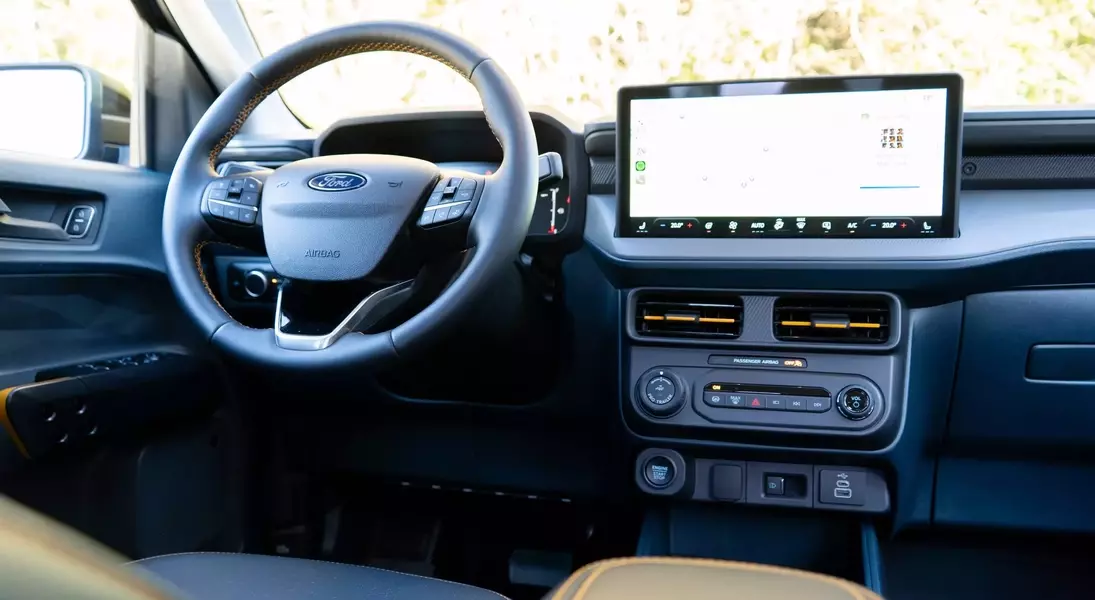
The 2026 Ford Maverick Tremor showcases a respectable technology suite, highlighted by a new data plan that includes a year of Wi-Fi hotspot access and connected navigation, with an optional seven-year extension. The cabin features a user-friendly 13.2-inch SYNC 4 touchscreen, an 8-inch instrument display, and seamless wireless Apple CarPlay and Android Auto integration, which functioned flawlessly during testing. The B&O sound system also provides a satisfactory audio experience. The various drive modes offer tangible differences in the truck's performance, allowing for effective adjustments to suit changing conditions. Curiously, Ford has removed wireless phone charging for 2026, meaning a physical cable is still required despite wireless connectivity for other features. The Tremor retains its 360-degree camera and Trail Control with Trail 1-Pedal Drive, existing features that continue to enhance its off-road utility.
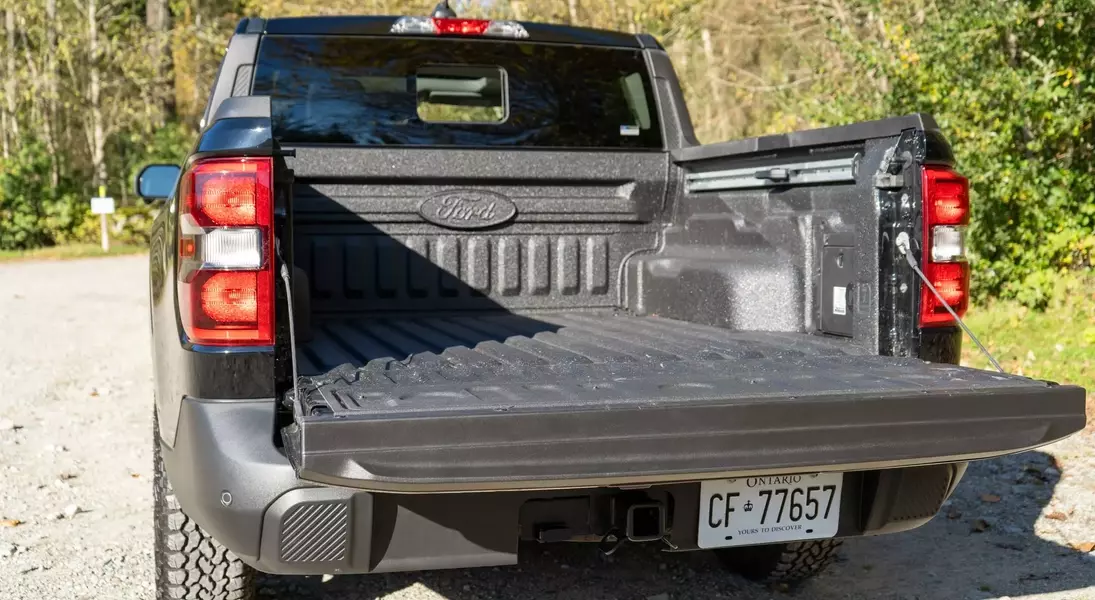
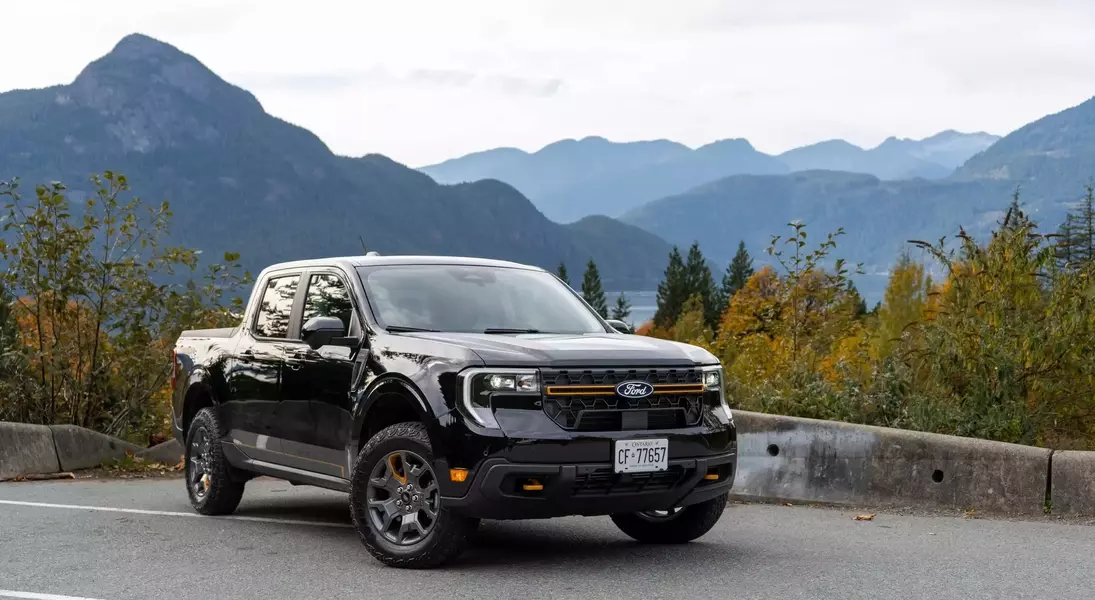
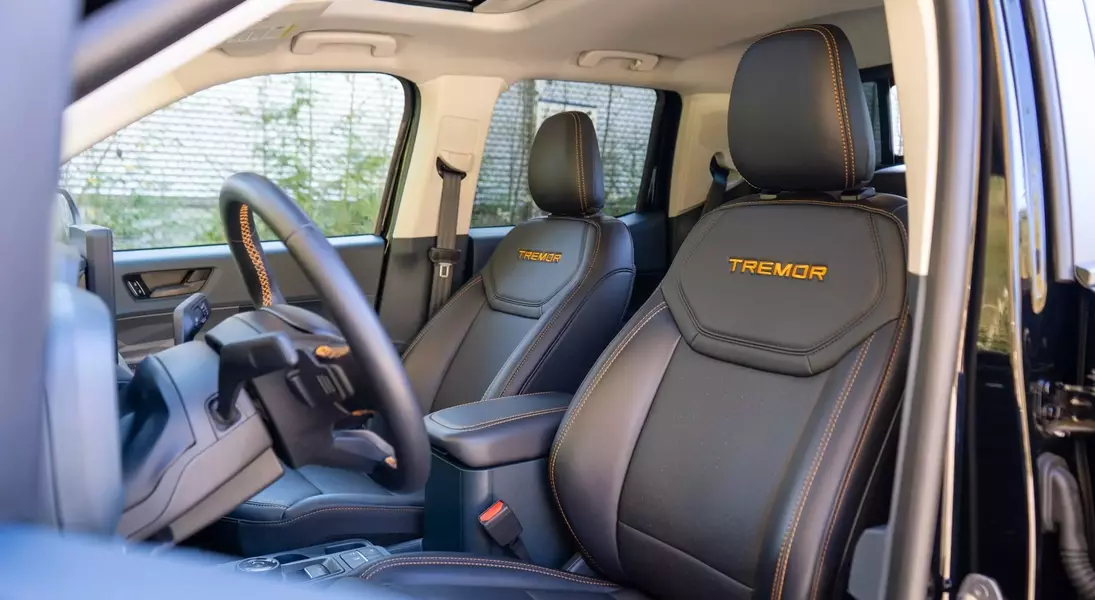
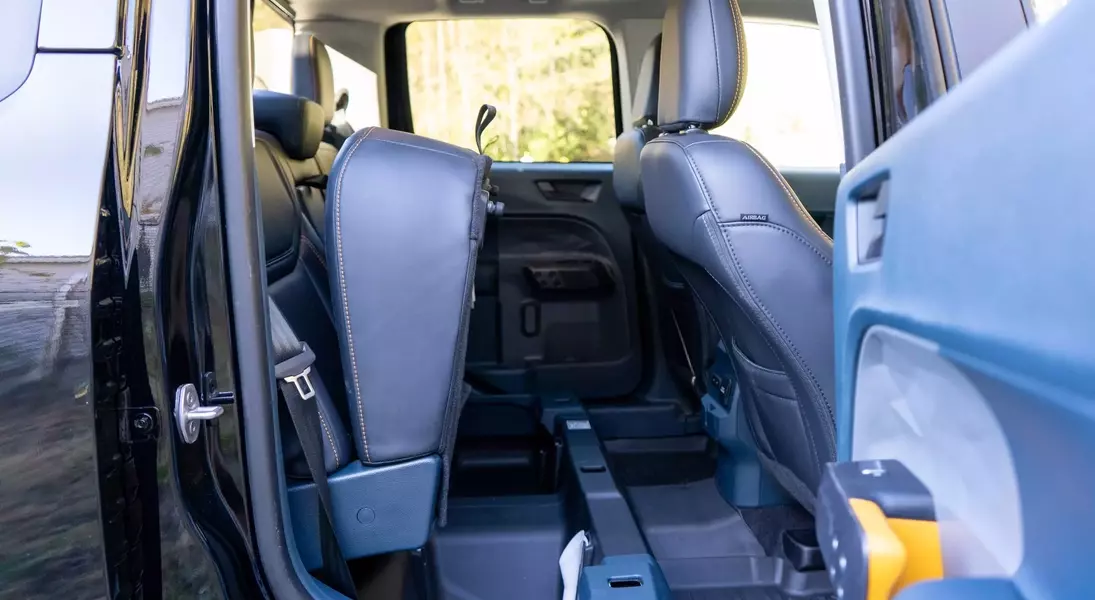
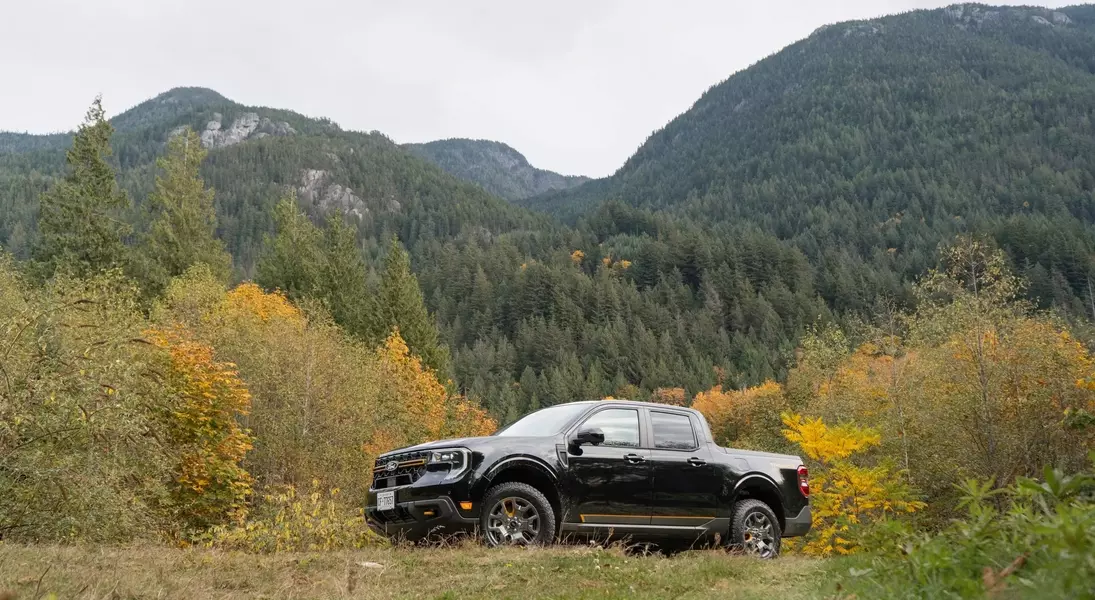
From an exterior design perspective, the Tremor exudes a commanding presence, benefiting from the Maverick's recent facelift that introduced refined headlights. Its distinct orange graphics and robust all-terrain tires lend it an aggressive and capable look, allowing it to hold its own alongside larger Ford trucks like the Ranger or F-150, albeit in a more compact form. In direct comparison to its primary rival, the Hyundai Santa Cruz, the Maverick’s traditional, boxy truck silhouette resonates more strongly with American consumers, a preference reflected in its significantly higher sales figures. Inside, while the tall stature offers generous headroom, the cabin can feel confined, and the upright seating might prove uncomfortable during extended journeys, particularly in the rear, where legroom is restricted. Despite these ergonomic compromises, clever storage solutions, such as flip-up rear seat cushions revealing useful bins, enhance interior practicality. Furthermore, the Maverick's bed offers a notable advantage in length and volume over the Santa Cruz, highlighting its superior utility for hauling cargo.
