In today's highly competitive automotive landscape, where fuel efficiency and reduced emissions are increasingly prioritized, several prominent three-row family SUVs are lagging behind their rivals. Despite robust sales and strong market presence, models such as the Honda Pilot, Subaru Ascent, and Volkswagen Atlas continue to rely exclusively on conventional gasoline powertrains, overlooking the growing consumer demand for hybrid alternatives. This absence of more efficient options not only burdens owners with higher fuel costs but also pushes potential buyers towards competitors that offer eco-friendlier choices. The need for spacious passenger and cargo capacities, combined with sufficient power for confident merging, no longer necessitates a compromise on fuel economy, making the integration of hybrid technology an urgent requirement for these popular family haulers.
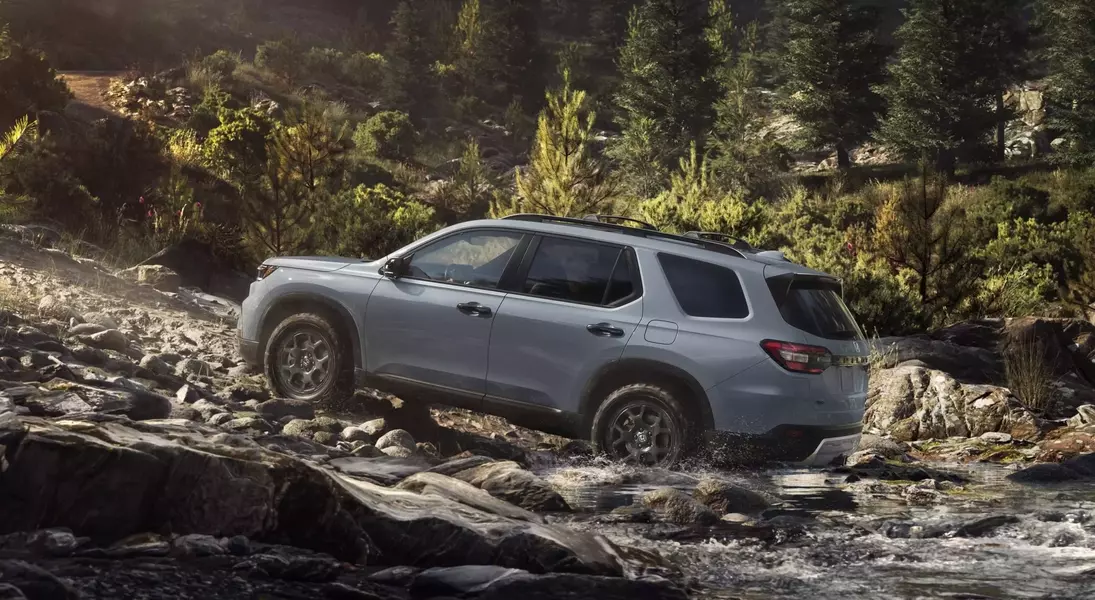
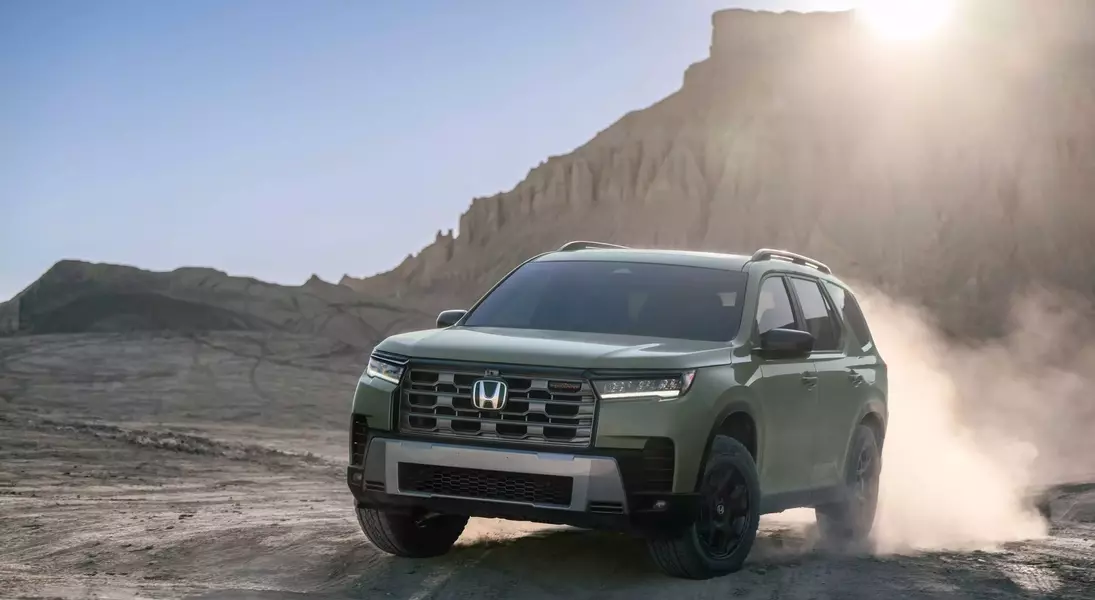
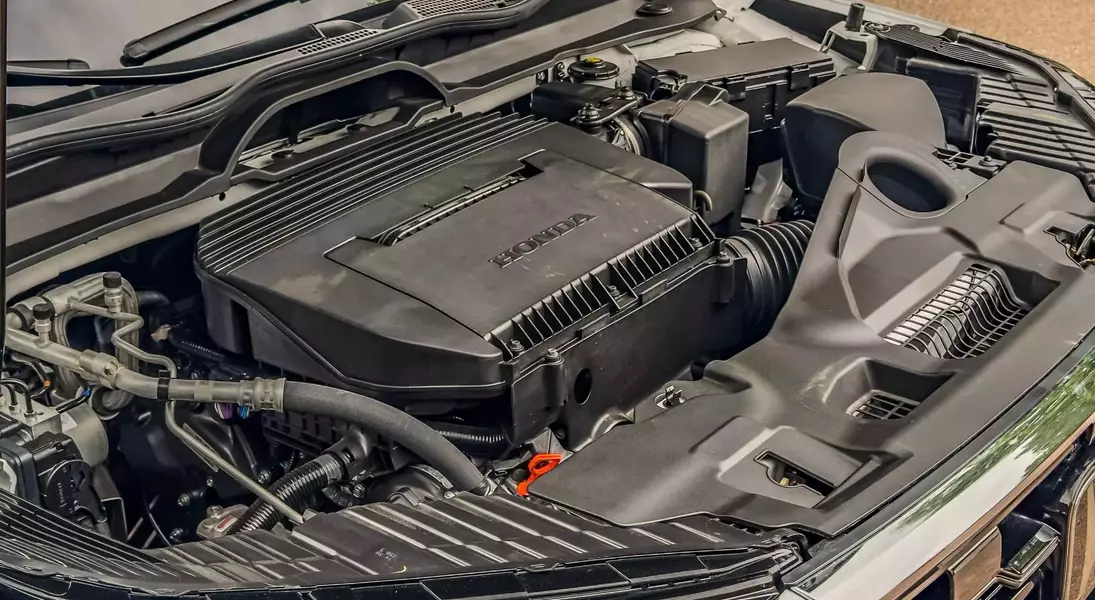
The Honda Pilot, a consistent sales leader in its segment, maintains its success despite offering only a single gasoline engine. Its 3.5-liter V6 engine, paired with a 10-speed automatic transmission, delivers 285 horsepower, providing a traditional alternative to the more common turbocharged four-cylinder engines found in many competing vehicles. While the engine's performance is generally satisfactory, its fuel consumption is notably high. For instance, the front-wheel-drive Pilot achieves an EPA-rated 19 mpg in the city, 27 mpg on the highway, and 22 mpg combined. All-wheel-drive variants fare slightly worse, averaging 21 mpg combined, with the TrailSport model dropping to 20 mpg. These figures are considerably lower than those of hybrid competitors, which often exceed 30 mpg. Introducing a hybrid option would effectively address the Pilot's primary powertrain deficiency without requiring Honda to abandon its dependable V6. This would provide consumers with the choice between the existing powerful engine and a more fuel-efficient hybrid system.
Honda is reportedly developing a V6 hybrid system specifically designed for larger vehicles, which could be a strong candidate for the Pilot. While not officially confirmed for this model, the system is expected to feature two front-mounted electric motors, with all-wheel-drive versions potentially including a third motor for the rear axle. This advanced hybrid powertrain would significantly enhance the Pilot's efficiency, making it a more attractive option for environmentally conscious families.
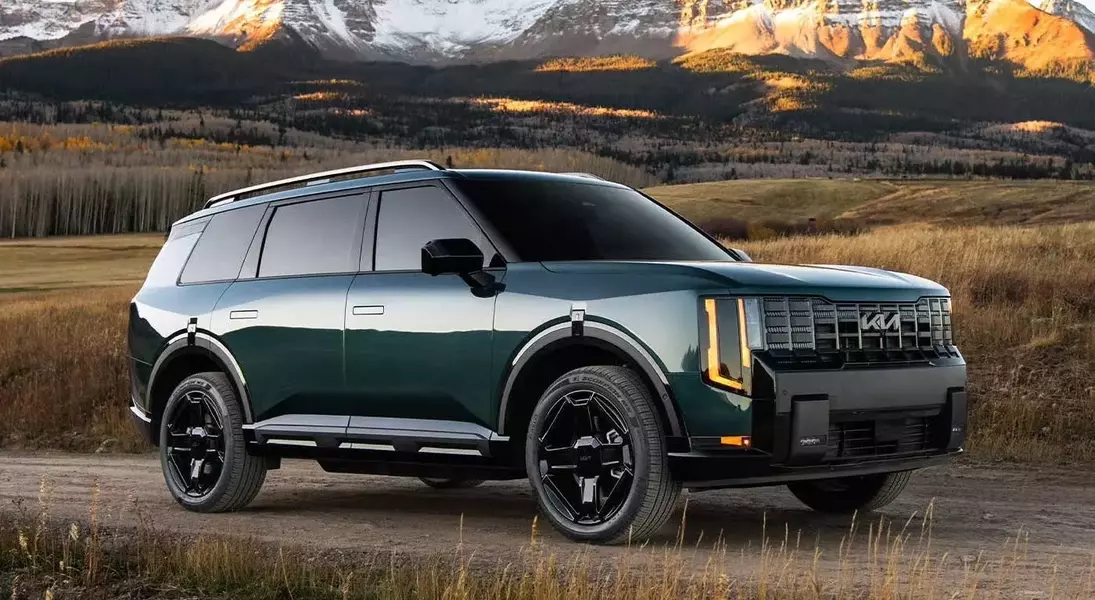
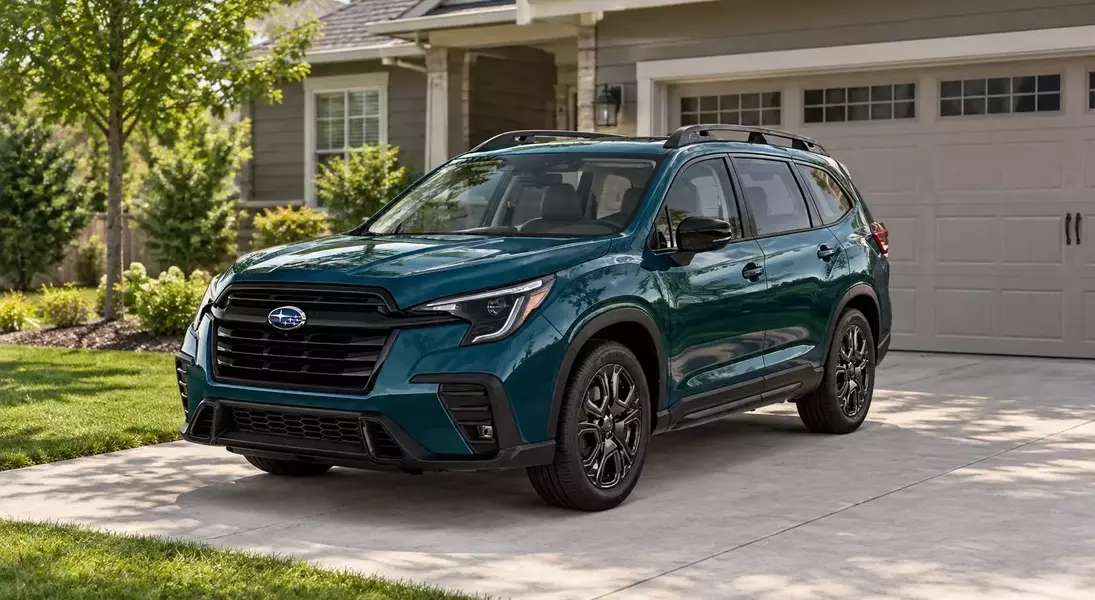
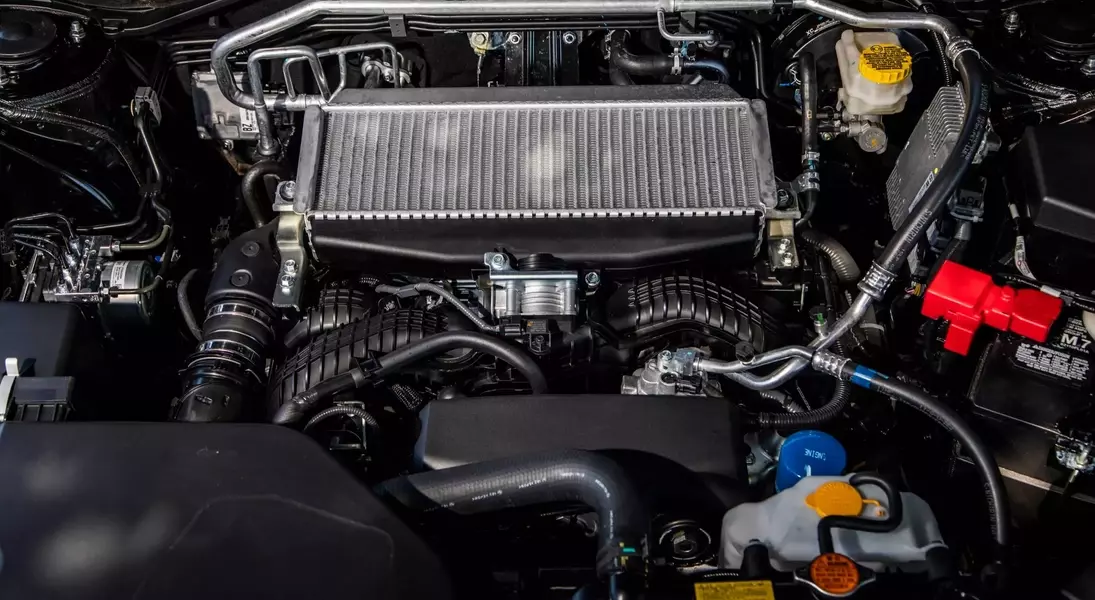
The Subaru Ascent, despite its more recent redesign compared to some rivals, also struggles with mediocre fuel economy, demonstrating that a smaller displacement engine does not automatically equate to greater efficiency. Every 2027 Ascent model is equipped with a turbocharged 2.4-liter four-cylinder engine that generates 260 horsepower and 277 lb-ft of torque. While its standard Symmetrical All-Wheel Drive system is a significant draw, the Ascent's fuel economy figures are underwhelming. The Premium trim achieves 22 mpg combined, while other trims manage 21 mpg combined. These numbers place the Ascent in a similar efficiency bracket as the V6-powered Pilot, highlighting a critical need for a hybrid option. Subaru already offers hybrid powertrains in several of its crossover stablemates, such as the Forester, Outback, and Crosstrek, making the Ascent's omission all the more conspicuous.
For the Ascent, simply adopting the Forester Hybrid's powertrain would likely be insufficient, as the larger SUV would require more power than the Forester Hybrid's 194 combined horsepower. Industry reports suggest that Subaru might eventually introduce hybrid powertrains for its larger SUVs, potentially leveraging Toyota's established hybrid technology, similar to its approach with the Forester Hybrid. Such an upgrade would ideally arrive before the Ascent's next major refresh, providing a much-needed boost to its competitiveness in the segment.
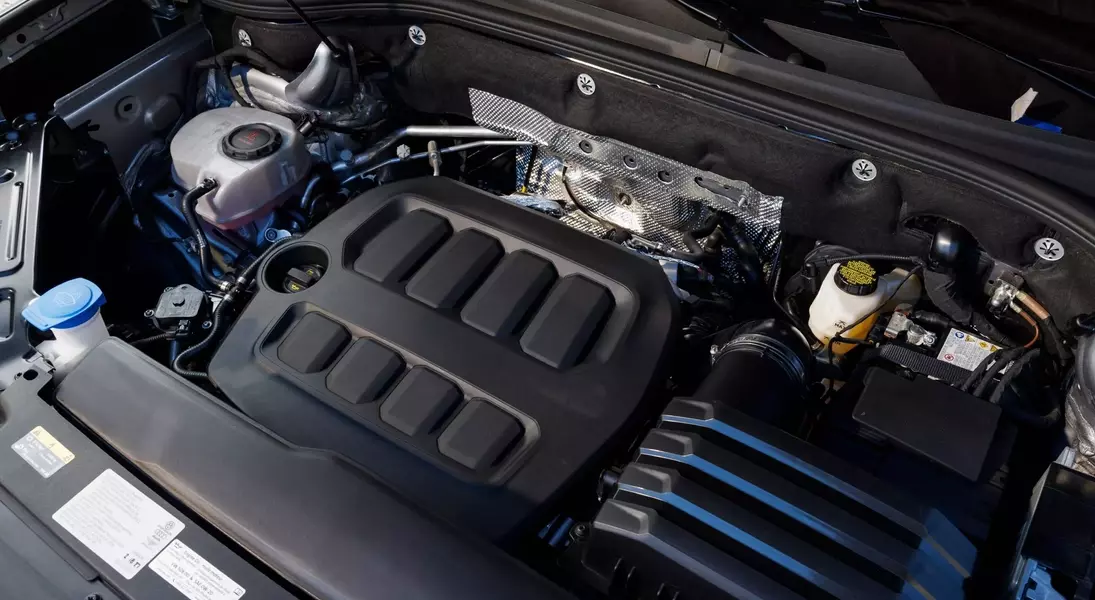
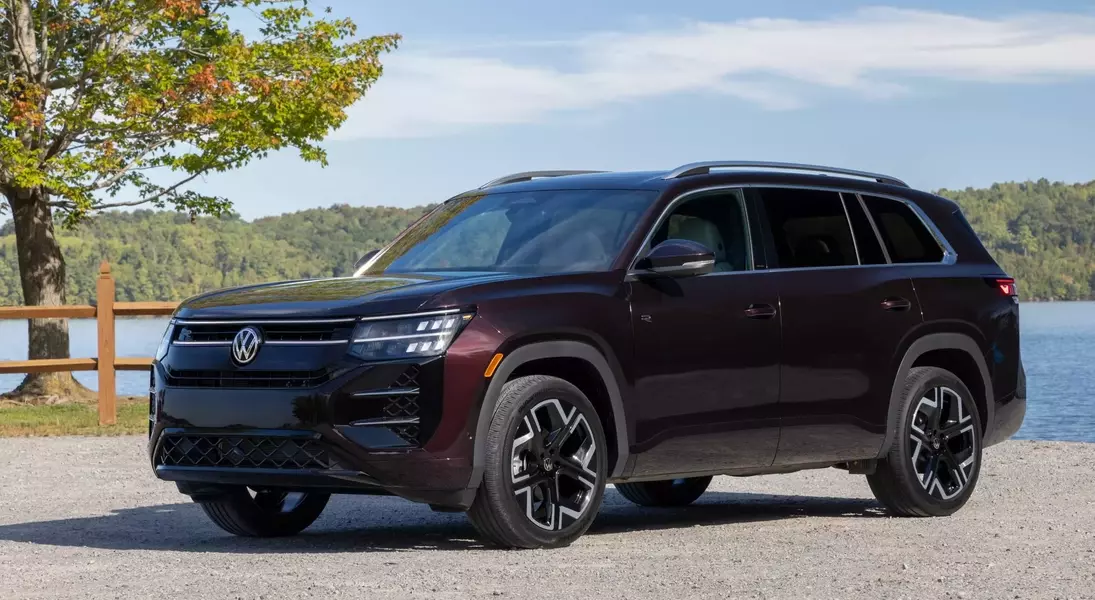
The Volkswagen Atlas, with its recently redesigned and modern aesthetic, presents a compelling package in nearly every aspect except its powertrain. The 2026 Atlas features an upgraded turbocharged 2.0-liter four-cylinder engine, producing 282 horsepower and 258 lb-ft of torque. Front-wheel-drive variants achieve up to 25 mpg combined, which, while respectable for a gasoline-only large SUV, falls short when compared to the superior efficiency of hybrid competitors. The good news for Volkswagen enthusiasts is that an Atlas Hybrid is not merely a concept. Kjell Gruner, CEO of Volkswagen Group of America, has confirmed that a hybrid version of their largest SUV will be available before the end of the decade. This hybrid option is slated to be introduced as part of the Atlas's mid-cycle refresh, which is expected to significantly enhance its appeal to consumers seeking both three-row practicality and improved fuel economy.
The current market overwhelmingly favors hybrid vehicles, yet this trend has not yet fully permeated the large SUV segment. While it's understandable for newer models like the Pilot and Atlas to initially lack hybrid variants, especially when their smaller counterparts such as the Passport and Tiguan also do not offer them, the situation is different for the Ascent. Subaru already successfully markets hybrid versions of its Forester, Outback, and Crosstrek. It is becoming increasingly imperative for these manufacturers to integrate hybrid options into their larger SUV lineups to meet the strong consumer demand and stay competitive in an evolving automotive market where efficiency is no longer a luxury but a necessity.