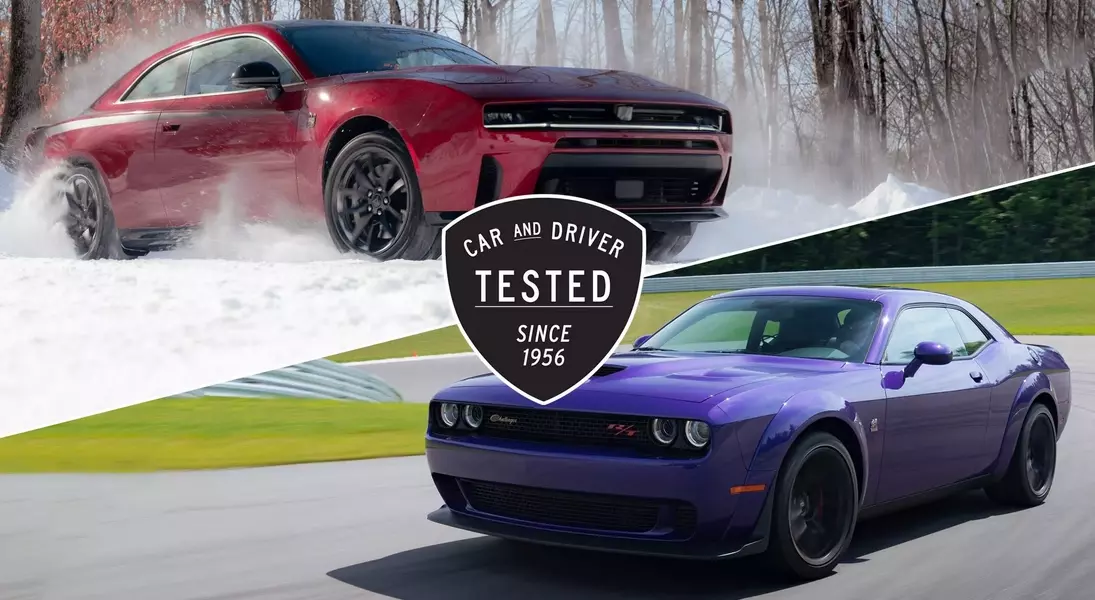
In an insightful comparison by Car and Driver, the latest 2026 Dodge Charger Sixpack was pitted against its predecessor, the 2019 Dodge Challenger R/T Scat Pack. This detailed review delved into various performance metrics, revealing both advancements and areas where the newer model lagged behind. The primary takeaway is that while the Charger showcases improved acceleration, it falls short in terms of handling and braking, largely attributed to its heavier build and the absence of high-performance summer tires at the time of testing.
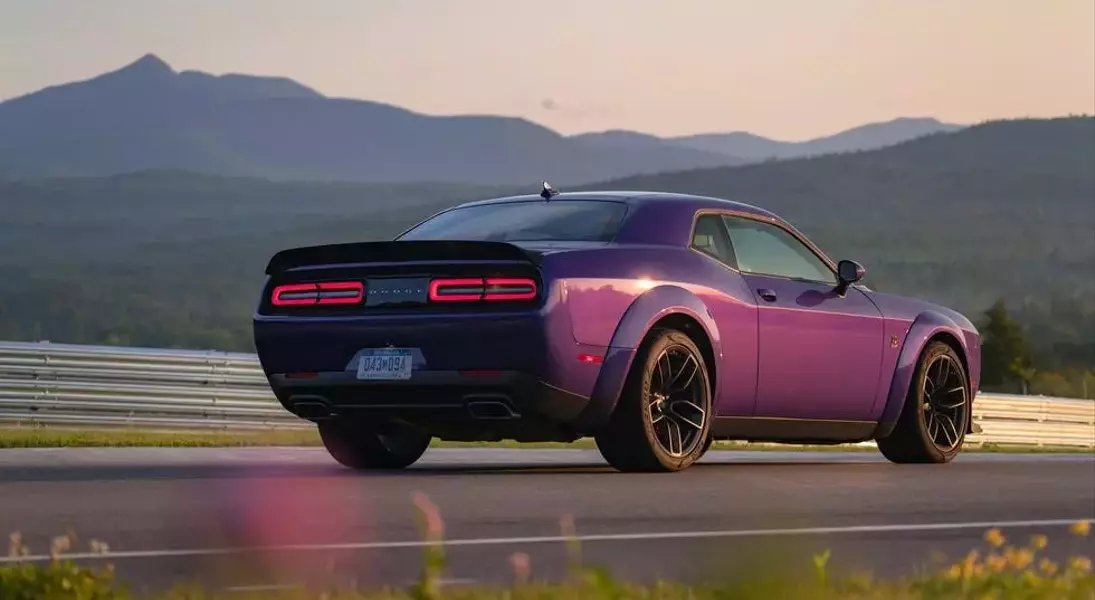
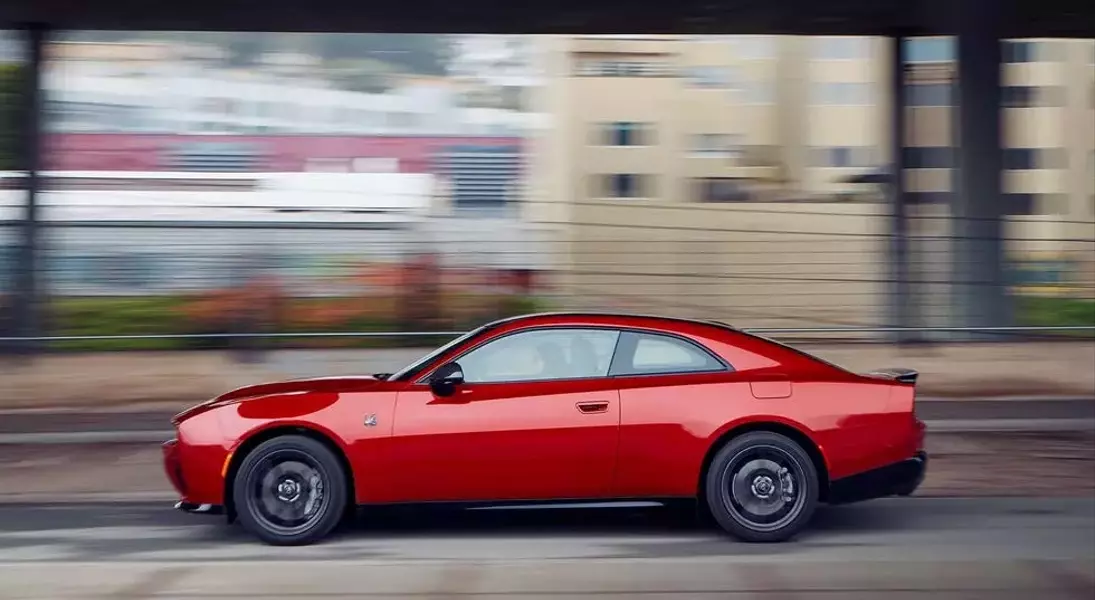
The departure of the Challenger from Dodge's lineup after the 2023 model year has paved the way for new interpretations of muscle car performance, exemplified by the two-door, Sixpack-equipped 2026 Dodge Charger Scat Pack Plus. This new iteration signifies a significant shift away from the traditional V-8 engine, embracing a 550-hp twin-turbo 3.0-liter straight-six Hurricane engine. In contrast, the 2019 Challenger R/T Scat Pack Widebody was powered by a 485-hp naturally aspirated 6.4-liter V-8, known as the 392 Hemi.
Despite the technological advancements in the Charger's powertrain, its performance on the track presented a mixed bag. On the skidpad, the Charger registered 0.90 g, a notable decrease compared to the Challenger's 0.96 g. Similarly, braking performance from 70 mph saw the Charger requiring 177 feet to stop, a significant increase over the Challenger's 148 feet. These disparities are primarily linked to the Charger's heavier curb weight of 4889 pounds versus the Challenger's 4352 pounds, and crucially, the Charger's initial fitment with all-season tires instead of the stickier summer tires available for the Challenger.
However, when it came to straight-line acceleration, the 2026 Charger Sixpack outshone its V-8 predecessor. It sprinted from 0 to 60 mph in a swift 3.7 seconds, two-tenths quicker than the Challenger. The Hurricane-powered Charger also reached 100 mph in 8.8 seconds, surpassing the Hemi-equipped Challenger's 9.3-second time. Furthermore, the new twin-turbo Charger completed the quarter-mile in 12.1 seconds at 116 mph, slightly faster than the Challenger's 12.4 seconds at 114 mph. Despite these gains, the Challenger's V-8 engine demonstrated superior responsiveness, as indicated by its quicker 5-to-60-mph time of 4.2 seconds compared to the Charger's 4.8 seconds.
The ongoing discourse about what constitutes a true muscle car often highlights straight-line speed as a defining characteristic. In this regard, the 2026 Dodge Charger Sixpack, despite its heavier frame and initial tire disadvantage, proves its mettle by accelerating more rapidly than its V-8-powered forebear. This comparison underscores the evolving landscape of performance vehicles, where engine technology and overall vehicle dynamics are continuously being refined to meet contemporary demands.
