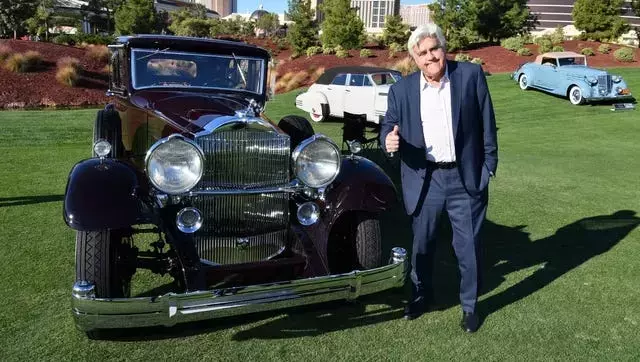
The classic car community in California is making another concerted effort to secure an emissions testing exemption, a proposal affectionately known as "Leno's Law." This initiative seeks to allow owners of vintage automobiles to bypass current emissions regulations, acknowledging the unique nature and limited use of these vehicles. The renewed legislative push, embodied in Senate Bill 1392, comes after a similar attempt faltered previously. Proponents believe that by incorporating specific conditions, such as restricting these vehicles from being daily drivers, the bill stands a stronger chance of passing and providing relief to classic car enthusiasts across the state.
A significant legislative effort is underway in California to reintroduce an emissions testing exemption for classic cars, often referred to as "Leno's Law." This new proposal, Senate Bill 1392, was formally presented to the California legislature in February 2026, marking a renewed push following the failure of its predecessor, Senate Bill 712, last year. The core objective remains consistent: to establish a rolling exemption from emissions inspections for vintage vehicles, initially targeting models from 1981 onwards.
This current iteration of the bill, however, introduces a crucial modification designed to address prior legislative concerns and increase its likelihood of success. Unlike the previous version, Senate Bill 1392 stipulates that, in addition to being registered as collector motor vehicles, these exempted classic cars cannot serve as the owner's primary mode of transportation. This additional provision aims to assuage environmental concerns by ensuring that the exemption primarily benefits hobbyists and collectors who use their vintage vehicles sparingly, rather than everyday commuters. Senators Shannon Grove and Dave Cortese are co-sponsoring the bill, and an initial hearing is scheduled for mid-April. Supporters are actively being rallied to submit letters of support by April 8, highlighting the collaborative effort between lawmakers, automotive enthusiasts, and organizations like SEMA to refine the bill and maximize its benefits while ensuring its ultimate passage.
Renewed Push for Classic Car Emissions Exemption
California's classic car enthusiasts are once again championing a bill, popularly termed "Leno's Law," aimed at exempting vintage vehicles from stringent emissions tests. This legislative endeavor, embodied in Senate Bill 1392, revives a previous attempt to ease regulations for older automobiles, recognizing their historical and cultural value. The bill's reintroduction in February 2026 signifies a persistent effort by the classic car community to gain this exemption, building on lessons learned from past legislative challenges and refining the proposal to address previous concerns, thereby enhancing its chances of passage in the current legislative session.
The genesis of this renewed legislative initiative stems from the prior failure of California Senate Bill 712, which did not pass last year. Learning from this experience, the proponents of the new bill, Senate Bill 1392, have incorporated a critical new provision. While the previous bill required classic cars to be registered as collector vehicles to qualify for the exemption, the updated legislation adds an important stipulation: these exempted classic vehicles must not be used as the owner's primary mode of transportation. This modification is a strategic move to gain broader support from legislators, demonstrating a commitment to environmental responsibility by limiting the potential impact of the exemption. The bill is co-sponsored by Senators Shannon Grove and Dave Cortese, signifying bipartisan support. An initial hearing for the bill is scheduled for mid-April, and key organizations involved, such as SEMA, are actively encouraging classic car advocates to submit letters of support by April 8, underlining the collaborative and organized effort behind this significant legislative push.
Strategic Refinements for Legislative Success
The updated "Leno's Law," California Senate Bill 1392, has undergone strategic modifications to enhance its prospects of becoming law, particularly after the prior version's legislative setback. A key refinement involves adding a stipulation that exempted classic cars cannot be primary vehicles, alongside their collector status. This adjustment aims to address environmental concerns and garner greater support from lawmakers, indicating a more thoughtful and compromise-driven approach to secure the long-sought emissions exemption for vintage automobiles. The concerted effort by co-sponsors and supporting organizations underscores the commitment to navigating the legislative process effectively.
Following the unsuccessful passage of California Senate Bill 712 last year, the proponents of "Leno's Law" have meticulously refined their approach with the introduction of Senate Bill 1392. This new bill, co-sponsored by Senators Shannon Grove and Dave Cortese, incorporates a crucial additional provision designed to improve its chances of legislative approval. While the previous bill mandated that vehicles be registered as collector motor vehicles to receive the emissions exemption, Senate Bill 1392 goes a step further. It now requires that, in addition to collector status, these classic cars must not be utilized as the owner's primary means of transportation. This strategic inclusion serves to mitigate concerns about environmental impact and demonstrates a willingness to compromise, thereby strengthening the bill's appeal to a wider range of legislators. A spokesperson for Senator Cortese highlighted the collaborative nature of this effort, stating that SB 1392 is a result of cooperation between the senators, Jay Leno, a growing list of supportive legislators, and SEMA. This collective refinement is expected to maximize benefits for car enthusiasts while ensuring the bill's ultimate success. The groundwork for its passage includes an initial hearing slated for mid-April, with organizers urging supporters to submit letters of endorsement by April 8 to underscore the breadth of community backin
